 June 2023 in “International journal of science and research”
 PRP injections help hair regrowth safely but may need more research.
 October 2022 in “Springer eBooks”
 The document concludes that personalized hormonal treatments are important for transgender individuals and more research is needed for non-binary treatments.

Hair loss can be caused by hormones, illness, autoimmune disorders, or vitamin deficiencies, and treatments vary depending on the type.
 April 2022 in “Medicina estética”
 Minoxidil is the only FDA-approved treatment for female hair loss, with other potential treatments needing more research for effectiveness.

Polycystic ovary syndrome (PCOS) affects about 10% of women, is often linked to obesity and family history, and can cause irregular periods, fertility issues, and other symptoms. It's usually managed with lifestyle changes, weight loss, and medication.

The review found that PRP is the most effective treatment for hair loss with few side effects.
 May 2019 in “Australasian Journal of Dermatology”
 The document discusses hair and nail conditions, updates on treatments for alopecia, and controversies around finasteride use.
 January 2019 in “Elsevier eBooks”
 Different hair disorders have specific treatments and outcomes, with some resolving on their own and others requiring medication or emotional support.
 September 2017 in “Pediatric Dermatology”
 A 14-year-old boy was diagnosed with a rare hair condition that may lead to hair thinning and has no known effective treatments.
 January 2017 in “Springer eBooks”
 Over 40% of postmenopausal women experience hair loss, with treatments aiming to stop further loss and possibly thicken hair.
 October 2016 in “International journal of medical research and review”
 Minoxidil, a hair loss treatment, may cause acne-like skin eruptions.
New treatments for hair loss are being researched for better effectiveness and safety.
 January 2015 in “Вестник дерматологии и венерологии”
 Some treatments like minoxidil, finasteride, and dutasteride are effective for hair loss, but there's no agreed best treatment.
Effective treatments for hirsutism include antiandrogens, finasteride, eflornithine, and various hair removal methods.
 March 2014 in “Journal of The American Academy of Dermatology”
 Mycophenolic acid may help hair growth, a combination treatment improves hair thickness in male hair loss, and early treatment of frontal fibrosing alopecia is important.
 January 2012 in “Postgraduate obstetrics & gynecology”
 Up to 50% of women may experience significant hair loss by age 50, with various causes and treatments available.
 January 2010 in “Elsevier eBooks”
 The document concludes that different types of hair loss have specific treatments, and early diagnosis is crucial for preventing permanent hair loss.
 April 2005 in “Aktuelle Dermatologie”
 Shampoos have evolved to address individual hair and scalp needs, and treatments like Minoxidil and Finasteride help with hair loss.
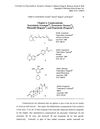
Isotretinoin and tazarotene help treat acne, while minoxidil and finasteride promote hair growth.
 November 2000 in “Current problems in dermatology”
 New treatments for hair loss and excessive hair growth show promise with few side effects and advancements in laser technology.
 December 2025 in “Open Repository of the University of Porto (University of Porto)”
 Pharmacists play a crucial role in improving patient outcomes through personalized care and staying updated with scientific advancements.
 November 2021 in “Elsevier eBooks”
 Antiandrogens are used to manage polycystic ovary syndrome by reducing androgen levels or controlling their effects, often combined with lifestyle changes and other treatments.
January 2014 in “프로그램북(구 초록집)” 5AR inhibitors like finasteride and dutasteride improve hair growth and slow hair loss in male pattern baldness.
January 2012 in “Journal of Practical Dermatology” Various treatments can help manage hair loss in androgenetic alopecia.
78 citations
,
December 2008 in “The Journal of Sexual Medicine” 5-alpha reductase inhibitors can cause sexual side effects like erectile dysfunction, but the exact reasons are unclear.
20 citations
,
December 2015 in “Der Urologe” Combining medications is more effective for treating benign prostatic syndrome symptoms.
 10 citations
,
October 2002 in “Journal of The American Academy of Dermatology”
10 citations
,
October 2002 in “Journal of The American Academy of Dermatology” The document concludes that a man's long hair may have helped diagnose his rare case of chronic hair shedding, for which no treatment is advised.
 6 citations
,
September 2016 in “Journal of Mind and Medical Sciences”
6 citations
,
September 2016 in “Journal of Mind and Medical Sciences” Finasteride can cause side effects, some lasting after treatment ends, and may lead to severe depression or suicidal thoughts.
 6 citations
,
February 2004 in “Clinical and Experimental Ophthalmology”
6 citations
,
February 2004 in “Clinical and Experimental Ophthalmology” The document concludes that careful diagnosis is crucial for chromosome 13q deletion syndrome, tamoxifen can cause reversible eye damage, finasteride may be linked to cataracts, and OCT is useful for diagnosing macular diseases.
 2 citations
,
March 2018 in “Current Opinion in Urology”
2 citations
,
March 2018 in “Current Opinion in Urology” 5-alpha reductase inhibitors can cause sexual, neurologic, endocrine, and cardiovascular side effects, but these are rare and usually stop after ending treatment.