Finasteride, a medication, is being re-evaluated for its effects and uses.
July 2000 in “Hair transplant forum international”  November 2023 in “International Journal of Pharmaceutics”
 The new delivery system improves treatment for hair loss by enhancing drug absorption and effectiveness.
 April 2006 in “Faculty Opinions – Post-Publication Peer Review of the Biomedical Literature”
 Oral finasteride, combined with drospirenone, improved hair loss in 62% of premenopausal women, with no reported side effects.
11 citations
,
October 2021 in “Journal of The European Academy of Dermatology and Venereology” Topical finasteride is an effective and safer treatment for male hair loss.
 February 2024 in “International journal of pharmaceutical sciences and nanotechnology”
 Nanocarriers in gel may reduce side effects of oral hair loss treatments.
 18 citations
,
January 2002 in “Chemical & pharmaceutical bulletin/Chemical and pharmaceutical bulletin”
18 citations
,
January 2002 in “Chemical & pharmaceutical bulletin/Chemical and pharmaceutical bulletin” New pregnane derivatives were more effective than finasteride at inhibiting a key enzyme for male pattern baldness.
 2 citations
,
July 2020 in “Giornale italiano di dermatologia e venereologia”
2 citations
,
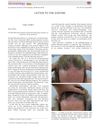
July 2020 in “Giornale italiano di dermatologia e venereologia” A woman with frontal fibrosing alopecia experienced unusual hair growth after using a specific topical lotion.
 July 2020 in “Pharmaceutical Research”
  26 citations
,
June 2018 in “Australasian Journal of Dermatology”
26 citations
,
June 2018 in “Australasian Journal of Dermatology” Stopping sunscreen use on the forehead led to hair regrowth in a woman with frontal fibrosing alopecia.
 12 citations
,
October 2004 in “PubMed”
12 citations
,
October 2004 in “PubMed” Finasteride, especially in a 1mg dose, effectively slows hair loss and improves hair growth in Japanese men with male pattern hair loss.
July 2013 in “Pharmaceutical Regulatory Affairs Open Access” Formulation F1 is the best for delivering finasteride effectively.
 December 2010 in “Dermatologic Surgery”
 Finasteride's effectiveness on the frontal hair loss area is not well-studied or confirmed.
 January 2022 in “Skin appendage disorders”
 Finasteride is effective for male hair loss, but it may cause fertility issues, mental health problems, and rarely, breast growth. Regular health checks can reduce the risk of prostate cancer. Patient understanding and involvement in treatment is important.
2 citations
,
January 2010 in “PubMed” Current treatments for postmenopausal frontal fibrosing alopecia stop hair loss but don't regrow hair.
2 citations
,
January 2017 Minoxidil and Propecia are the only FDA-approved hair growth drugs, but people are exploring herbal alternatives due to concerns about side effects.
 1 citations
,
March 2016 in “Journal of The American Academy of Dermatology”
1 citations
,
March 2016 in “Journal of The American Academy of Dermatology” More research needed to confirm finasteride as standard treatment for FFA.
4 citations
,
June 2017 in “Annales de dermatologie et de vénéréologie” The study found that a specific type of hair loss is increasingly common in premenopausal women and can be effectively diagnosed and treated with various medications.
 May 2015 in “Journal of the American Academy of Dermatology”
 Certain drugs and supplements may contribute to hair loss in the frontal hairline in older women.
January 2006 in “Bohn Stafleu van Loghum eBooks” Long-term use of finasteride can help treat hair loss.
1 citations
,
August 2002 in “PubMed” Finasteride effectively slowed hair loss and promoted hair growth in Taiwanese men.
 36 citations
,
January 2015 in “Dermatology”
36 citations
,
January 2015 in “Dermatology” Bimatoprost was found to be safer and more effective than mometasone furoate for treating scalp hair loss.
 93 citations
,
January 1996 in “Clinical Pharmacokinectics”
93 citations
,
January 1996 in “Clinical Pharmacokinectics” Finasteride helps regrow hair and shrink prostate by reducing DHT, with some sexual side effects.

TrichoFoam™ is a stable option for personalized hair loss treatment with most ingredients remaining effective for 90-180 days.
January 2006 in “Guangzhou Chemistry” The new method for making Finasteride is cheaper and safer for large-scale production.
January 2011 in “Zhongguo xin yao zazhi” A new, safer method to make finasteride from progesterone is effective for industrial use.
 October 2025 in “Open Repository of the University of Porto (University of Porto)”
 Dutasteride is more effective than finasteride for hair growth, and sublingual apomorphine quickly improves Parkinson's symptoms.
 40 citations
,
April 1999 in “Drugs”
40 citations
,
April 1999 in “Drugs” Finasteride treats enlarged prostate, improves urinary flow, but may cause sexual side effects.
4 citations
,
April 2018 in “Journal of Mind and Medical Sciences” Patients should discuss risks with doctors before using finasteride for hair loss.