 September 2023 in “Cutis”
 A baby girl has a hair disorder called monilethrix, causing fragile hair that may improve over time.
 34 citations
,
August 1966 in “Experimental cell research”
34 citations
,
August 1966 in “Experimental cell research” Keratin fibrils in hair form and stop growing at specific points in the follicle.
 42 citations
,
April 2008 in “Acta materialia”
42 citations
,
April 2008 in “Acta materialia” Different ethnicities and treatments affect human hair strength and structure.
 3 citations
,
January 2015 in “Mathematical problems in engineering”
3 citations
,
January 2015 in “Mathematical problems in engineering” Hair damage increases significantly with higher temperatures and longer heating times.
 4 citations
,
April 2019 in “Cosmetics”
4 citations
,
April 2019 in “Cosmetics” Hair stiffness is higher when it has more para-like cortical cells.
March 2026 in “Journal of the mechanical behavior of biomedical materials/Journal of mechanical behavior of biomedical materials” Hair cuticles remain stable and resilient under stress due to strong protein content and crosslinking.
 2 citations
,
August 1994 in “Archives of dermatology”
2 citations
,
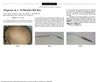
August 1994 in “Archives of dermatology” A 19-month-old boy with a rare hair disorder showed mild improvement with treatment, but his family chose gentle hair care due to limited success.
 February 2012 in “Clinical and Experimental Dermatology”
 Many adult women experience unexplained excessive hair shedding, often starting before age 40.
 3 citations
,
January 2021 in “Wear”
3 citations
,
January 2021 in “Wear” Hair's resistance to wear varies by ethnicity and treatment, with less wear indicating stronger hair.
 9 citations
,
January 1992 in “Journal of Investigative Dermatology”
9 citations
,
January 1992 in “Journal of Investigative Dermatology” Sugar molecule helps hair growth, less in balding, returns with treatment.
 63 citations
,
October 2011 in “Archives of Dermatology”
63 citations
,
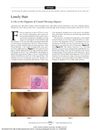
October 2011 in “Archives of Dermatology” Isolated long hairs at the original hairline can help diagnose Frontal Fibrosing Alopecia.
 February 2025 in “International Journal of Cosmetic Science”
 Protein carbonylation is a sensitive marker for oxidative damage in hair, especially from light exposure.
 2 citations
,
March 2005 in “International Journal of Cosmetic Science”
2 citations
,
March 2005 in “International Journal of Cosmetic Science” Human hair structure varies by ethnicity, and certain treatments can improve hair condition and appearance.
 13 citations
,
November 2012 in “International Journal of Dermatology”
13 citations
,
November 2012 in “International Journal of Dermatology” Curly hair breaks more easily, especially with chemical treatments, but simpler grooming reduces breakage.
16 citations
,
January 1977  1 citations
,
January 2009 in “Journal of S C C J”
1 citations
,
January 2009 in “Journal of S C C J” Changing disulfide bonds in human hair affects its melting behavior and thermal stability.
49 citations
,
June 2004 in “Philosophical Transactions of the Royal Society A Mathematical Physical and Engineering Sciences” Human hair becomes weaker and stretches more easily at higher temperatures.
Skin ages and changes due to sun, wind, and aging, causing dryness, thinning, and hair loss.
 September 2016 in “Journal of The American Academy of Dermatology”
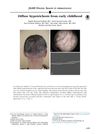
 The girl has a genetic hair condition causing thin hair since childhood.
 January 2026 in “Forum Dermatologicum”
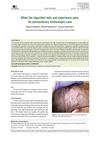
 Thorough hair examination is crucial for accurate diagnosis and treatment.
34 citations
,
December 1984 in “Journal of Cutaneous Pathology” Monilethrix hair issues are due to problems in the hair's internodes.
March 2026 in “Journal of the mechanical behavior of biomedical materials/Journal of mechanical behavior of biomedical materials” Bleaching and UV exposure significantly damage hair.
Thicker hair resists fungal damage better, and hair color doesn't affect susceptibility.
6 citations
,
January 2016 in “International journal of trichology” Children's hair is more elastic, but tensile strength is similar across different factors.
January 2024 in “International Journal of Trichology” Matted hair should not be judged as a sign of mental instability; proper diagnosis and gentle care are key.
28 citations
,
January 1985 in “Journal of the American Academy of Dermatology” A girl with citrullinemia developed pili torti, suggesting a link between the hair condition and the metabolic disorder.
February 2024 in “Medicina” AFM can diagnose hair disorders by revealing detailed hair surface changes.
 6 citations
,
January 2000 in “Dermatology”
6 citations
,
January 2000 in “Dermatology” A girl's severely tangled hair couldn't be fixed and had to be cut due to a rare condition called plica neuropathica.
Prussian Blue causes hair cuticles to detach, weakening the hair.
24 citations
,
December 1957 in “Experimental Cell Research” The glassy layer of hair follicles has different fibril sizes and arrangements in guinea pigs and young mice.