 15 citations
,
June 2019 in “Experimental Dermatology”
15 citations
,
June 2019 in “Experimental Dermatology” Old neuropharmacological drugs might be effective for treating inflammatory skin diseases.
2 citations
,
July 2022 in “The Kaohsiung Journal of Medical Sciences” FTY720 helps transplanted fat survive better by reducing immune rejection and improving blood vessel growth.
 16 citations
,
April 2014 in “Expert Opinion on Pharmacotherapy”
16 citations
,
April 2014 in “Expert Opinion on Pharmacotherapy” Teriflunomide is an effective and safe first-line oral treatment for relapsing multiple sclerosis.
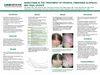 November 2025 in “SKIN The Journal of Cutaneous Medicine”
 Baricitinib shows promise in improving frontal fibrosing alopecia symptoms.
 5 citations
,
January 2021 in “Inflammatory Bowel Diseases”
5 citations
,
January 2021 in “Inflammatory Bowel Diseases” Tofacitinib improved ulcerative colitis, skin ulcers, and hair loss in a patient who didn't respond well to other treatments.
 253 citations
,
April 2014 in “Drugs”
253 citations
,
April 2014 in “Drugs” Teriflunomide helps reduce multiple sclerosis symptoms and is safe for most patients.
February 2026 in “Indian Dermatology Online Journal” Tofacitinib significantly improved skin and hair conditions without side effects.
 2 citations
,
March 2022 in “Modern Rheumatology Case Reports”
2 citations
,
March 2022 in “Modern Rheumatology Case Reports” A medicine called tofacitinib worked to treat a hair loss condition linked with a muscle and skin disease.
Tofacitinib and low-dose IL-2 may help maintain hair regrowth in alopecia areata without ongoing treatment.
 20 citations
,
December 2016 in “Neurodegenerative disease management”
20 citations
,
December 2016 in “Neurodegenerative disease management” Teriflunomide effectively reduces relapses and disability in MS and has a manageable safety profile.
10 citations
,
May 2020 in “Dermatologic therapy” Tildrakizumab significantly improved recalcitrant lichen planopilaris and frontal fibrosing alopecia.
 36 citations
,
June 2014 in “Experimental Neurology”
36 citations
,
June 2014 in “Experimental Neurology” Teriflunomide is an effective and generally safe oral treatment for relapsing MS, reducing relapses and slowing disability progression.
1 citations
,
October 2025 in “Journal of Investigative Dermatology” Delgocitinib cream may help treat frontal fibrosing alopecia.
6 citations
,
March 2016 in “Multiple sclerosis and related disorders” Dimethyl-fumarate may cause temporary hair loss.
 September 2022 in “XXXIX Congresso Brasileiro de Reumatologia”
 Tofacitinib may effectively treat skin symptoms in difficult cases of dermatomyositis.
13 citations
,
February 2017 in “Clinical rheumatology” Tofacitinib may help treat nail dystrophy, especially when other treatments fail.
October 2020 in “Der Hautarzt” Tofacitinib helped regrow hair in a woman with alopecia areata.
 25 citations
,
December 2017 in “Facial Plastic Surgery”
25 citations
,
December 2017 in “Facial Plastic Surgery” Combination therapy with steroids and pimecrolimus improved or stabilized hair loss in most patients with Frontal Fibrosing Alopecia, who also had a high rate of hypothyroidism.
 September 2013 in “Neurodegenerative disease management”
 Teriflunomide is effective and generally safe for treating relapsing multiple sclerosis, reducing relapse rates and disability progression.
39 citations
,
September 2015 in “Clinical Therapeutics” Teriflunomide effectively reduces relapse rates and disease progression in multiple sclerosis but is not safe for use during pregnancy.
 45 citations
,
July 2002 in “The Neurologist”
45 citations
,
July 2002 in “The Neurologist” A comprehensive approach to educating patients and managing side effects is crucial for improving adherence to multiple sclerosis treatments and patient quality of life.
3 citations
,
July 2025 in “International Immunopharmacology” 54 citations
,
May 2019 in “Multiple Sclerosis and Related Disorders” Azathioprine can help with relapses and disability in NMOSD but has more side effects and needs more research.
 3 citations
,
February 2024 in “Journal of the American Academy of Dermatology”
3 citations
,
February 2024 in “Journal of the American Academy of Dermatology” Topical tofacitinib cream may help treat certain hair loss conditions with fewer risks.
 January 2012 in “Journal of Investigative Dermatology”
 Small molecule DMF improves psoriasis and multiple sclerosis, adult skin cells can be made to grow new hair, certain skin cells initiate hair growth, IL-17C controls gut health and can cause skin inflammation, and skin cells produce IL-17 that can lead to psoriasis.
 18 citations
,
March 2006 in “Expert Review of Neurotherapeutics”
18 citations
,
March 2006 in “Expert Review of Neurotherapeutics” The document concludes that managing side effects of MS therapies is crucial for treatment success and patient adherence.
 August 2021 in “Acta Haematologica Polonica”
 Folliculotropic mycosis fungoides has a worse prognosis than other types, with survival rates varying significantly based on subtype and organ involvement.
 5 citations
,
June 2019 in “British Journal of Dermatology”
5 citations
,
June 2019 in “British Journal of Dermatology” Tofacitinib was more effective than apremilast in treating hair loss in a mouse model of alopecia areata.
 1 citations
,
June 2024 in “British Journal of Dermatology”
1 citations
,
June 2024 in “British Journal of Dermatology” Mycophenolate mofetil effectively improved skin pigmentation and itching in a woman with lichen planus pigmentosus and frontal fibrosing alopecia.
 5 citations
,
July 2019 in “Photodiagnosis and photodynamic therapy”
5 citations
,
July 2019 in “Photodiagnosis and photodynamic therapy” Using tacalcitol ointment with photodynamic therapy may effectively treat follicular mucinosis with scalp hair loss.