2 citations
,
November 1996 in “Transplantation” Injecting recipient splenocytes into donors' thymus can prevent graft-versus-host disease.
Mobe and Antarasa can be used as natural preservatives for red snapper fillets.
January 2016 in “ISBN: 978-84-608-9184-0” 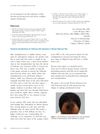 6 citations
,
May 2013 in “Dermatologic Surgery”
6 citations
,
May 2013 in “Dermatologic Surgery” FUE can be successfully done on African-American hair by using larger punch tools and careful techniques to reduce hair damage.
 January 2026 in “Food Science and Human Wellness”
 Krill oil may help reduce prostate enlargement and growth.
 276 citations
,
December 2017 in “Journal of Dermatological Science”
276 citations
,
December 2017 in “Journal of Dermatological Science” The document concludes that mouse models are helpful but have limitations for skin wound healing research, and suggests using larger animals and genetically modified mice for better human application.
 20 citations
,
September 1987 in “The Lancet”
20 citations
,
September 1987 in “The Lancet” 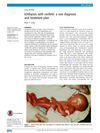 7 citations
,
July 2014 in “BMJ case reports”
7 citations
,
July 2014 in “BMJ case reports” A rare skin disorder, Ichthyosis with confetti, has no cure but treatment focuses on managing symptoms with moisturizers.
 March 2026 in “Calcified Tissue International”
 The EDA pathway plays a key role in bone development by interacting with other signaling pathways.
 January 2026 in “International Journal of Science and Research (IJSR)”
 Unani medicine and modern dermatology both offer treatments for ichthyosis, a condition causing dry, scaly skin.
 September 2025 in “Research in Agriculture Livestock and Fisheries”
 Cattle in Mymensingh, Bangladesh, face high parasitic disease rates, needing better deworming and management.
The books were useful but had some areas needing improvement.
January 2026 in “Open Veterinary Journal” PUFA-rich oil improves pet hair quality but may raise triglyceride levels.
January 2005 in “Jukuri (Natural Resources Institute Finland (Luke))” A low-protein diet with methionine is cost-effective and supports normal growth and high-quality pelts in blue foxes.
October 2022 in “Amplla Editora eBooks” Tilapia skin helps heal skin injuries faster and cheaper.
 556 citations
,
September 2008 in “Genes & Development”
556 citations
,
September 2008 in “Genes & Development” Wnt signaling is vital for cell growth, development, and cancer research.
 359 citations
,
January 2015 in “Cold Spring Harbor Perspectives in Medicine”
359 citations
,
January 2015 in “Cold Spring Harbor Perspectives in Medicine” Hair growth phase and certain genes can speed up wound healing, while an inflammatory mediator can slow down new hair growth after a wound. Understanding these factors can improve tissue regeneration during wound healing.
 295 citations
,
June 2009 in “Science”
295 citations
,
June 2009 in “Science” Stromal stem cells may help heal wounds by becoming structural cells or affecting the immune system, but more research is needed to understand how.
 128 citations
,
August 2015 in “Cell Stem Cell”
128 citations
,
August 2015 in “Cell Stem Cell” Damage to skin releases dsRNA, which activates TLR3 and helps in skin and hair follicle regeneration.
 103 citations
,
October 2003 in “Birth Defects Research”
103 citations
,
October 2003 in “Birth Defects Research” Both genes and environmental factors like chemicals may contribute to the increase in hypospadias, but the exact causes are still unclear.
 93 citations
,
October 2006 in “The International Journal of Biochemistry & Cell Biology”
93 citations
,
October 2006 in “The International Journal of Biochemistry & Cell Biology” Melanocytes are crucial for skin pigmentation and can affect conditions like melanoma, vitiligo, and albinism, as well as hair color and hearing.
 87 citations
,
March 2014 in “Biochimica et Biophysica Acta (BBA) - Molecular and Cell Biology of Lipids”
87 citations
,
March 2014 in “Biochimica et Biophysica Acta (BBA) - Molecular and Cell Biology of Lipids” Cholesterol sulfate buildup due to a genetic mutation disrupts the skin barrier, leading to the scaling skin seen in X-linked ichthyosis.
 85 citations
,
December 2017 in “Developmental Biology”
85 citations
,
December 2017 in “Developmental Biology” Mammals might fail to regenerate not because they lack the right cells, but because of how cells respond to their surroundings, and changing this environment could enhance regeneration.
 76 citations
,
July 2019 in “Cellular and Molecular Life Sciences”
76 citations
,
July 2019 in “Cellular and Molecular Life Sciences” Stem cells are crucial for tissue growth, cancer treatment, and disease modeling, but challenges remain in clinical use.
 66 citations
,
February 2015 in “Cell & tissue research/Cell and tissue research”
66 citations
,
February 2015 in “Cell & tissue research/Cell and tissue research” The document concludes that there are no effective clinical treatments for hearing loss due to hair cell damage, but research is ongoing.
 60 citations
,
November 2009 in “General and Comparative Endocrinology”
60 citations
,
November 2009 in “General and Comparative Endocrinology” Fadrozole and finasteride change gene expression related to sex hormones and thyroid hormones in frog larvae development.
 47 citations
,
January 2013 in “Indian Journal of Dermatology, Venereology and Leprology”
47 citations
,
January 2013 in “Indian Journal of Dermatology, Venereology and Leprology” Premature graying of hair may suggest health issues and currently lacks effective treatments.
 46 citations
,
December 2018 in “Genes & Development”
46 citations
,
December 2018 in “Genes & Development” Lung repair involves both dedicated and flexible stem cells, important for developing new treatments.
 43 citations
,
September 2001 in “Scanning”
43 citations
,
September 2001 in “Scanning” Hair treatments like bleaching increase friction by exposing tiny pores on the hair surface.
 37 citations
,
January 2009 in “Sexual Development”
37 citations
,
January 2009 in “Sexual Development” Fadrozole and Finasteride change frog sex ratios and cause intersex animals with altered gene expressions.