January 2005 in “Jukuri (Natural Resources Institute Finland (Luke))” A low-protein diet with methionine is cost-effective and supports normal growth and high-quality pelts in blue foxes.
 126 citations
,
April 2006 in “International Journal of Dermatology”
126 citations
,
April 2006 in “International Journal of Dermatology” The conclusion is that FFA and LPP have similar scalp biopsy features, making them hard to distinguish histologically, and FFA may be a specific kind of scarring hair loss.
 155 citations
,
September 2008 in “British journal of dermatology/British journal of dermatology, Supplement”
155 citations
,
September 2008 in “British journal of dermatology/British journal of dermatology, Supplement” FFA is more common in postmenopausal women, can affect younger women, and may stabilize over time.
12 citations
,
January 1994 in “PubMed” Elastic fiber arrangement in mammal skin varies by hair density and body region.
June 2026 in “ChemistryOpen” Modified nanofibers improve finasteride skin absorption.
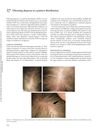 April 2012 in “Informa Healthcare eBooks”
 Fibrosing alopecia in a pattern distribution is a unique hair loss condition with inflammation and scarring, resembling but distinct from common balding.
2 citations
,
August 2007 in “Zoonoses and Public Health” Two southern chamois in the Eastern Pyrenees had skin infections caused by a fungus.
 November 2023 in “Journal of cosmetic dermatology”
 The 595-nm pulsed dye laser effectively reduces symptoms of EFFC with minimal side effects.
 8 citations
,
January 2015 in “Genetics and molecular research”
8 citations
,
January 2015 in “Genetics and molecular research” Researchers found four key proteins that affect the development of a specific hair type in Yangtze River Delta white goats.
12 citations
,
October 1947 in “Journal of the Society of Dyers and Colourists” Mercuric acetate makes wool unshrinkable by changing its elastic properties.
3 citations
,
January 2018 Bacterial skin diseases in camelids are often caused by moisture, trauma, and infections.
 30 citations
,
January 2020 in “Journal of The American Academy of Dermatology”
30 citations
,
January 2020 in “Journal of The American Academy of Dermatology” Fibrosing alopecia in a pattern distribution is a hair loss condition often confused with other types, requiring early treatment but usually not resulting in significant hair regrowth.
December 2018 in “International journal of women’s dermatology” FFA in young women is often missed, and no single treatment works best.
19 citations
,
November 1979 in “Archives of dermatology” Tretinoin may be effective for treating Fox-Fordyce disease.
 7 citations
,
June 2022 in “Czech Journal of Animal Science”
7 citations
,
June 2022 in “Czech Journal of Animal Science” Certain circular RNAs help cashmere goats grow more hair.
 August 2024 in “Current Issues in Molecular Biology”
 Key genes and RNAs related to hair growth in sheep were identified, aiding future breeding improvements.
21 citations
,
October 2007 in “Journal of Investigative Dermatology” Fetuin-A helps wounds heal without scars by promoting cell movement.
March 2026 in “World Rabbit Science” DKK4 can be used to improve wool quality in Zhexi Angora rabbits.
27 citations
,
April 2020 in “PLoS ONE” Hair follicle stem cells in cashmere goats show different gene activity during hair growth phases.
1 citations
,
September 2020 in “Sahel Journal of Veterinary Sciences” Switching to coarser feed and providing hay improved the sheep's health.
 16 citations
,
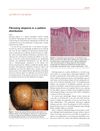
February 2010 in “Journal of the European Academy of Dermatology and Venereology”
16 citations
,
February 2010 in “Journal of the European Academy of Dermatology and Venereology” Fibrosing alopecia in a pattern distribution is a unique hair loss condition that may respond to antiandrogen therapy.
 August 2022 in “Italian Journal of Animal Science/Italian journal of animal science”
 Field bean supplementation improved mohair growth and kid growth in Angora goats but didn't prevent weight loss after giving birth.
4 citations
,
April 2019 in “DOAJ (DOAJ: Directory of Open Access Journals)” 5-α-reductase inhibitors, intralesional steroids, and hydroxychloroquine are the most effective treatments for frontal fibrosing alopecia.
 April 2011 in “한국생물공학회 학술대회”
 Lotion with fucoidan from brown seaweed improved skin and reduced allergy symptoms in mice with dermatitis.
 January 2024 in “Collagen and leather”
 The conclusion is that using bovine milk permeate to remove wool from sheepskins is eco-friendly and results in smoother, higher quality leather compared to traditional sulfide methods.
 12 citations
,
September 2018 in “Naturwissenschaften”
12 citations
,
September 2018 in “Naturwissenschaften” Melatonin treatment increases a specific RNA in goat cells that boosts cashmere growth.
January 2010 in “BMC Genomics” Key genes influence cashmere growth cycles, aiding goat breeding.
1 citations
,
January 1992 in “Bangladesh Journal of Animal Science” Camel skin has typical mammalian layers, with hair follicles, glands, and muscles, varying by body area.
October 2024 in “Journal of Cutaneous Pathology” Compound follicles in folliculitis decalvans mainly have active hair follicles.
September 2023 in “Journal of the American Academy of Dermatology” Patients often overestimate their skin type, affecting sun protection and treatment plans.