1 citations
,
November 2009 in “Nurse prescribing” Oral griseofulvin for 6-12 weeks cures most scalp fungal infections in children.
5 citations
,
September 1997 in “Archives of Dermatology” The boy's hair loss was likely caused by a fungal infection.
 April 2021 in “Anatolian current medical journal :”
 A patient developed hair loss after hepatitis C treatment with sofosbuvir and ribavirin.
 8 citations
,
December 2008 in “Journal of The American Academy of Dermatology”
8 citations
,
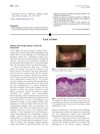
December 2008 in “Journal of The American Academy of Dermatology” Finasteride can cause a unique skin reaction on the penile shaft.
 48 citations
,
November 2017 in “Journal of the American Academy of Dermatology”
48 citations
,
November 2017 in “Journal of the American Academy of Dermatology” Tofacitinib 2% ointment helped hair regrow in 3 out of 10 patients with alopecia areata, but caused side effects like scalp irritation and raised cholesterol in some.
 8 citations
,
June 2022 in “Frontiers in Medicine”
8 citations
,
June 2022 in “Frontiers in Medicine” Both individual and combined treatments of tofacitinib and corticosteroids can help regrow hair in moderate-to-severe alopecia areata, but ongoing treatment may be necessary.
 19 citations
,
January 2011 in “Clinics”
19 citations
,
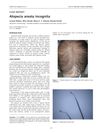
January 2011 in “Clinics” A young woman with a rare hair loss condition improved with steroid and biotin treatment.
9 citations
,
November 2004 in “SKINmed Dermatology for the Clinician” A man with hair loss developed a condition causing scarring and inflammation in both bald and non-bald areas of his scalp.
A patient experienced intense hair loss due to telogen effluvium after scalp contact dermatitis, but hair regrew completely within two months without further treatment.
6 citations
,
July 2015 in “JAAD Case Reports” Doxycycline can effectively treat hair loss caused by EGFR inhibitors.
Combining systemic steroids and dithranol can effectively regrow hair in severe alopecia areata.
 March 2022 in “International Journal of Trichology”
 Tofacitinib may be effective for treating hair loss caused by alopecia areata that doesn't respond to other treatments.
 August 2025 in “Medical Scope Journal”
 The treatment improved hair growth and reduced scalp symptoms.
 70 citations
,
April 2016 in “Experimental Dermatology”
70 citations
,
April 2016 in “Experimental Dermatology” A patient with alopecia areata regrew hair after taking tofacitinib and showed changes in certain blood and skin markers.
January 2025 in “International Journal of Research in Medical Science” Fluoric Acid helps regrow hair and reduces relapse in Alopecia Areata.
 January 2024 in “International Journal of Homoeopathic Sciences”
 Homeopathic treatment may help manage alopecia areata.
 9 citations
,
July 2020 in “Journal of Dermatology”
9 citations
,
July 2020 in “Journal of Dermatology” Asian patients with Frontal Fibrosing Alopecia often lose eyebrow hair and respond well to combined antiandrogen or antimalarial and topical treatments.
 10 citations
,
January 2017 in “Skin Pharmacology and Physiology”
10 citations
,
January 2017 in “Skin Pharmacology and Physiology” Finasteride may cause vitiligo, sexual issues, and depression; better treatments and predicting side effects needed.
 53 citations
,
January 2007 in “Dermatology”
53 citations
,
January 2007 in “Dermatology” Chemotherapy often causes patterned hair loss, with some scalp areas more resistant to hair loss than others.
 September 2023 in “Journal of Cosmetic Dermatology”
 Topical cetirizine may help increase hair length in male pattern baldness and could be an alternative to minoxidil with fewer side effects.
November 2025 in “Contact Dermatitis” Avoiding salicylates improved skin issues and stabilized hair loss in a woman with frontal fibrosing alopecia.
 July 2018 in “Elsevier eBooks”
 Frontal Fibrosing Alopecia is a type of hair loss affecting mostly older women, with no agreed best treatment.
January 2016 in “SHILAP Revista de lepidopterología” Switching from escitalopram to duloxetine helped stop hair loss.
20 citations
,
January 2014 in “Journal of Clinical & Experimental Dermatology Research” Oral zinc sulphate effectively treats alopecia areata with few side effects.
A man's scalp hair loss was due to a combined melanocytic nevus and alopecia areata, suggesting a possible link between the two conditions.
 3 citations
,
March 2014 in “Annals of Hepatology”
3 citations
,
March 2014 in “Annals of Hepatology” A man lost all his hair after stopping hepatitis C treatment and it didn't grow back.
January 2026 in “Updates in clinical dermatology”  2 citations
,
December 2013 in “Cancer Research”
2 citations
,
December 2013 in “Cancer Research” Some early breast cancer patients have long-term hair loss after chemotherapy, especially older and postmenopausal women.
7 citations
,
July 2021 in “The Journal of Dermatology” Facial care products are not linked to causing frontal fibrosing alopecia.