 1 citations
,
March 2016 in “Journal of The American Academy of Dermatology”
1 citations
,
March 2016 in “Journal of The American Academy of Dermatology” More research needed to confirm finasteride as standard treatment for FFA.
1 citations
,
June 2025 in “Journal of Clinical Medicine” Frontal fibrosing alopecia often occurs after menopause, with delayed diagnosis and possible links to certain medications and conditions.
35 citations
,
April 1937 in “The journal of nutrition/The Journal of nutrition” Flavin prevents cataracts in young rats.
 14 citations
,
April 2019 in “International Journal of Women's Health”
14 citations
,
April 2019 in “International Journal of Women's Health” Some treatments can stabilize Frontal Fibrosing Alopecia, but more research is needed to find effective treatments, and hair transplants often fail.
4 citations
,
January 2005 Low iron levels are linked to hair loss in adult women.

GV-350 improves hair growth and quality of life in iron-deficient women without side effects.
 May 2022 in “Dermatologic therapy”
 Combining PRP with follicular transplantation improves vitiligo treatment better than follicular transplantation alone.
 102 citations
,
April 2014 in “International Journal of Dermatology”
102 citations
,
April 2014 in “International Journal of Dermatology” The treatment helped reduce symptoms and stabilize the hairline in most patients with Frontal Fibrosing Alopecia, but hair regrowth was limited.
 14 citations
,
July 2012 in “Journal of the American Academy of Dermatology”
14 citations
,
July 2012 in “Journal of the American Academy of Dermatology” Topical tacalcitol ointment can help improve symptoms of EFFC.
March 2019 in “eCommons (Cornell University)” The pony's skin condition improved significantly with prednisolone treatment.
 March 2024 in “Journal of cosmetic dermatology”
 Isotretinoin can effectively reduce symptoms of frontal fibrosing alopecia.
March 2022 in “Oncology Times” Tebentafusp-tebn improves survival rates in uveal melanoma patients but has common side effects like rash and fatigue.
 May 2022 in “International Journal for Research in Applied Science and Engineering Technology”
 Iron supplements combined with Quilib lotion effectively treat hair loss in people with iron deficiency anemia.
39 citations
,
September 2015 in “Clinical Therapeutics” Teriflunomide effectively reduces relapse rates and disease progression in multiple sclerosis but is not safe for use during pregnancy.
January 2023 in “Dermatologic Therapy” Intralesional corticosteroids and 5-alpha-reductase inhibitors are the best treatments for frontal fibrosing alopecia.
 April 2019 in “Advances in integrative medicine”
 HST and HST/F promote hair growth and may help treat alopecia.
9 citations
,
April 2018 in “Biology of reproduction” Diet changes hormone levels in pregnant ewes by affecting metabolism, not placental synthesis.
 29 citations
,
July 2010 in “Journal of Cutaneous Medicine and Surgery”
29 citations
,
July 2010 in “Journal of Cutaneous Medicine and Surgery” Treatments for Frontal Fibrosing Alopecia have not been proven effective.
 64 citations
,
June 2009 in “Journal of The American Academy of Dermatology”
64 citations
,
June 2009 in “Journal of The American Academy of Dermatology” Oral dutasteride can potentially treat frontal fibrosing alopecia in postmenopausal women, with some patients showing disease arrest and hair regrowth.
October 1977 in “Munich Personal RePEc Archive (Ludwig Maximilian University of Munich)” Mefloquine was generally safe at 500 mg weekly, but higher doses caused nausea and diarrhea.
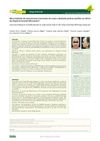 June 2024 in “BioSCIENCE”
 Microinfusion of methotrexate can help treat frontal fibrosing alopecia.
May 2022 in “The FASEB Journal” Finasteride may help treat Neutrophil Actin Dysfunction by reducing LSP1 gene activity.
September 2022 in “Ukraïnsʹkij naukovo-medičnij molodìžnij žurnal” Quality pharmaceutical care is crucial for safe and effective use of vitamin-mineral supplements during pregnancy and breastfeeding.
5 citations
,
December 2011 in “Vox Sanguinis” Some blood donors on teratogenic drugs may have unsafe drug levels, suggesting a need for better deferral policies.

Combining bromelain with finasteride improves hair regrowth and reduces inflammation in alopecia.
6 citations
,
January 2019 in “Indian Journal of Pharmacology” Melitane 5% and hair supplements improved hair color in a 14-year-old with early graying.
 5 citations
,
August 2018 in “PubMed”
5 citations
,
August 2018 in “PubMed” An 8-year-old with severe hair loss regrew all hair after six months of tofacitinib treatment.
33 citations
,
January 2008 in “Journal of Molecular Neuroscience”  9 citations
,
October 2019 in “Dermatologic Therapy”
9 citations
,
October 2019 in “Dermatologic Therapy” Oral tofacitinib has a moderate success rate and is generally safe for treating hair loss in some patients.
 August 2022 in “Case reports”
 Isotretinoin effectively treated a rare scalp condition, but careful drug monitoring and a dairy-free diet were important.