 January 2024 in “Journal of tissue engineering”
 Sunlight exposure damages hair follicles, but certain stem cell-derived particles can reduce this damage and help with hair regeneration.
 January 2024 in “International Journal of Dermatology Venereology and Leprosy Sciences”
 Patients with acne vulgaris have lower serum irisin levels.
 October 2023 in “bioRxiv (Cold Spring Harbor Laboratory)”
 Immune cells are essential for early hair and skin development and healing.
 September 2023 in “bioRxiv (Cold Spring Harbor Laboratory)”
 The mTurq2-Col4a1 mouse model shows that cells can divide while attached to stable basement membranes during development.
 June 2023 in “International journal of research in ayurveda and pharmacy”
 Dhatryadi Rasayana, an Ayurvedic herbal mix, may be a safe and effective way to prevent premature hair greying.
 June 2023 in “Medeniyet medical journal”
 People with alopecia areata have similar retinal structures but thicker choroidal regions compared to those without the condition.
 April 2023 in “Biomedical Journal of Scientific and Technical Research”
 Indian head cactus extract may help hair grow by boosting important cell activity and gene expression.
 January 2023 in “bioRxiv (Cold Spring Harbor Laboratory)”
 Newly born mesenchymal cells quickly spread out in response to tissue tension during early development.
Wild African goats have genetic adaptations for surviving harsh desert conditions.
Hair aging leads to color loss and reduced density, and dermatologists are key in treating it to improve quality of life.
 April 2021 in “BMJ Case Reports”
 Accurate diagnosis of pseudolymphomatous folliculitis is crucial to avoid mistaking it for more serious conditions.
 August 2018 in “SDÜ SAĞLIK BİLİMLERİ DERGİSİ”
 No method fully prevents hair loss from chemotherapy, but some methods can reduce it and improve quality of life.
 April 2018 in “Journal of Investigative Dermatology”
 DNMT3A is crucial for healthy skin and hair growth.
 January 2018 in “bioRxiv (Cold Spring Harbor Laboratory)”
 Researchers found key regions in the mouse hairless gene that control its activity in skin and brain cells, affecting hair follicle function.
 January 2018 in “Springer eBooks”
 Hidradenitis Suppurativa is likely an autoinflammatory disease, and better understanding its causes could improve treatments.
IL-1 and IL-7 help activate cells that boost hair follicle stem cell growth, aiding wound healing.
 September 2017 in “Asian Journal of Beauty and Cosmetology”
 The Notch signaling pathway is important for hair follicle development and could help create treatments for hair disorders.
IL-1 signaling is crucial for hair follicle stem cell growth and wound healing.
 January 2016 in “Human & Experimental Toxicology”
 A specific DNA sequence caused hair loss in male mice by activating immune cells and increasing a certain immune signal.

Alopecia areata is an autoimmune disease affecting hair follicles and may harm heart health.
 September 2014 in “Aktuelle Dermatologie”
 The symposium concluded that environmental factors significantly contribute to skin aging.
 January 2014 in “Journal of Investigative Dermatology”
 Proteins like aPKC and PDGF-AA, substances like adenosine and ATP, and adipose-derived stem cells all play important roles in hair growth and health, and could potentially be used to treat hair loss and skin conditions.
 April 2012 in “Informa Healthcare eBooks”
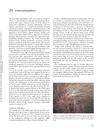
 Lichen planopilaris is a rare, chronic condition causing hair loss, mainly in middle-aged women, and early treatment is important to prevent permanent baldness.
 January 2012 in “Elsevier eBooks”
 Hair transplantation is highly effective with careful technique and attention to patient needs.
 October 2007 in “Postgraduate obstetrics & gynecology”
 Testosterone therapy can help with androgen deficiency in women but should be used with caution and monitoring due to potential risks.
 October 2007 in “Postgraduate obstetrics & gynecology”
 Testosterone therapy can help postmenopausal women with low sexual desire but needs more safety research and should be used with estrogen therapy.
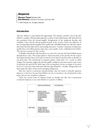 January 2007 in “Elsevier eBooks”
 Alopecia areata is a reversible, autoimmune-related hair loss that can have significant emotional impact and uncertain treatment effectiveness.
 April 2006 in “Current Opinion in Endocrinology & Diabetes”
 Testosterone therapy can help improve sexual function, mood, and bone density in women with low androgen levels, but more research is needed on long-term safety.
 October 2003 in “Journal of Investigative Dermatology Symposium Proceedings”
 Mice treatments didn't grow hair, a patient treatment may affect immune response, and people with hair loss often feel anxious or depressed.
Meshushit ointment helps form thicker healing tissue and preserves hair follicles in burns.