 May 2025 in “International Journal of Molecular Sciences”
 Exosomes from rat hair follicle stem cells may help heal wounds and regenerate skin.
March 2025 in “International Journal of Molecular Sciences” Melatonin promotes hair growth and quality by enhancing hair follicle development and reducing stress.
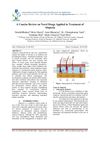
New therapies like JAK inhibitors, PRP, and stem cell treatments show promise for better alopecia management.

Using scalp stem cells can improve hair transplants.
 July 2024 in “ACS Biomaterials Science & Engineering”
 Nanoencapsulated antibiotics are more effective in treating hair follicle infections than free antibiotics.
 June 2024 in “Saudi Journal of Medicine”
 PRP therapy significantly improves hair thickness and density in male pattern baldness.
 June 2024 in “Frontiers in pharmacology”
 2-deoxy-D-ribose gel may help regrow hair in cases of hair loss.
 June 2024 in “Dermatology and therapy”
 Intramuscular injections improved hair density more than intradermal injections for treating hair loss.
 May 2024 in “Journal of drug delivery and therapeutics”
 Women with PCOS have higher oxidative stress and hormone imbalances, suggesting managing oxidative stress could help.
 April 2024 in “Frontiers in endocrinology (Lausanne)”
 Melatonin improved secondary hair growth in goats but didn't affect primary hair density or litter size.
 February 2024 in “Malahayati Nursing Journal”
 High androgen levels can cause hirsutism and increase inflammation.
 December 2023 in “Migration letters”
 Herbal treatments can help manage PCOS symptoms.
 September 2023 in “Medical & Clinical Case Reports Journal”
 Platelet-Rich Plasma (PRP) may increase hair density and thickness in Androgenetic Alopecia, but it's not significantly better than a placebo.
 August 2023 in “Cell Proliferation”
 Human cells in plasma-derived gels can potentially mimic hair follicle environments, improving hair regeneration therapies.
 June 2023 in “International journal of pharmaceutical quality assurance”
 Videodermoscopy is effective for diagnosing different types of non-scarring hair loss.

Non-invasive methods can effectively diagnose and manage alopecia areata.
Nanotechnology shows promise for better hair loss treatments but needs more research for safety and effectiveness.
 November 2022 in “Animal Bioscience”
 Adding methionine to a low-protein diet helps Angora rabbits grow better fur.
 October 2022 in “BMC genomics”
 RNA editing significantly affects hair growth and follicle cycling in the Tianzhu white yak.
 September 2022 in “Journal of medical sciences and health”
 A person had two different benign skin tumors, a trichoadenoma and melanocytic naevi, at the same time but in different places on the face.
Marking Nut extract in coconut oil may be an effective natural alternative for treating dandruff and promoting hair growth.
Resveratrol improved hormone levels, menstrual cycles, hair loss, and ovarian function in PCOS patients.
September 2021 in “IP Indian Journal of Clinical and Experimental Dermatology” The herbal supplement improved hair growth, density, and strength without side effects.
 April 2021 in “BMJ Case Reports”
 Accurate diagnosis of pseudolymphomatous folliculitis is crucial to avoid mistaking it for more serious conditions.
 August 2019 in “Journal of The American Academy of Dermatology”
 The document concludes that using micropore tape on an 18-gauge needle can control depth in hair restoration surgery, reducing scalp trauma and complications.
 June 2018 in “Journal of Acupuncture and Meridian Studies”
 New technologies in acupuncture and biosensors show promise for better medical treatments and healing.
The conclusion is that a more comprehensive and precise approach is needed for diagnosing PCOS to address its broader health risks.
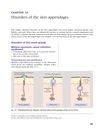 December 2016 in “John Wiley & Sons, Ltd eBooks”
 The document concludes that proper recognition and treatment of skin appendage disorders are important for management.
September 2016 in “Journal of dermatological science” FGF18 helps hair follicles resist radiation by stopping hair growth cycles.
 September 2016 in “Journal of dermatological science”
 The OVOL1-OVOL2 axis is important for hair follicle differentiation and can help diagnose certain hair-related tumors.