 April 2018 in “The journal of investigative dermatology/Journal of investigative dermatology”
 miR-486 may help prevent hair loss in alopecia areata.
 April 2018 in “The journal of investigative dermatology/Journal of investigative dermatology”
 Blue light can help hair grow by affecting certain receptors in hair follicles.
 January 2018 in “Elsevier eBooks”
 The document concludes that alopecia has significant social and psychological effects, leading to a market for hair loss treatments.
 September 2017 in “Journal of Investigative Dermatology”
 Blue light helps hair growth by affecting specific proteins in hair follicle cells.
 September 2017 in “Journal of Investigative Dermatology”
 Aging causes sweat glands to shrink, leading to skin issues, and blue light can help hair grow.
 May 2017 in “InTech eBooks”
 Trichoscopy and trichogram are useful for diagnosing hair and scalp conditions.

Alopecia areata is an autoimmune disease affecting hair follicles and may harm heart health.
 September 2014 in “Springer eBooks”
 Aging causes hair to gray and thin, with the timing of graying varying by race, and factors like oxidative stress and genetics can lead to hair loss.
 March 2014 in “Journal of The American Academy of Dermatology”
 Azathioprine may help with severe hair loss, a new topical treatment could counteract hair thinning, and trichoscopy can diagnose hair-pulling disorder effectively.
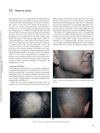 April 2012 in “Informa Healthcare eBooks”
 Alopecia areata is a common autoimmune condition causing varying hair loss, diagnosed by specific patterns of inflammation around hair follicles, with several treatment options available.
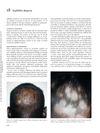 April 2012 in “Informa Healthcare eBooks”
 Syphilitic alopecia is a rare hair loss condition in secondary syphilis that looks similar to another condition but can be diagnosed with specific tests and responds to antibiotics.

Laser hair removal may cause skin changes that prevent hair regrowth.
 June 2011 in “Expert Review of Dermatology”
 Researchers discovered potential origins and new treatments for skin cancer, including biomarkers for melanoma and therapies that reduce tumor growth.
 June 2011 in “The Journal for Nurse Practitioners”
 Up to half of adult women may experience hair loss, and doctors should use medical history, exams, and tests to find the cause and treat it.
 July 2009 in “Medical & surgical dermatology”
 Low-dose acitretin helps nail psoriasis, stem cells may treat scarring alopecia, Chinese men have lower baldness rates, lateral foldplasty is good for ingrown toenails, hair diameter helps diagnose female baldness, childhood trauma linked to alopecia areata, certain hair-weaving leads to scalp conditions in African American women, and new methods for hair research and understanding hair and sweat gland development were introduced.
 July 2008 in “Expert Review of Dermatology”
 Proper planning for hair transplants is crucial for natural results, with careful patient selection and strategic graft placement being key factors.
 January 2007 in “Elsevier eBooks”
 Alopecia areata is a reversible, autoimmune-related hair loss that can have significant emotional impact and uncertain treatment effectiveness.
 January 2003 in “Elsevier eBooks”
 Androgens and other hormones affect hair growth and skin conditions like acne.
 October 2001 in “Dermatologic Surgery”
 Cutting and implanting hair follicles can create finer, more natural-looking hairlines, with about half of the implanted hairs growing back.
 June 2019 in “Stem Cell Research”
 Scientists created MUSIi010-A, a stem cell line from a balding man's scalp, to study hair loss and develop potential treatments.

Bone Morphogenetic Proteins (BMPs) are important for hair growth, and their decrease due to hormones could lead to hair loss, but adding more BMPs could promote hair growth.
 July 2024 in “Journal Of Stem Cell Research”
 Mesenchymal stem cells improve skin appearance and structure in dermatology and aesthetic medicine.
 35 citations
,
November 2010 in “Journal of Cutaneous Pathology”
35 citations
,
November 2010 in “Journal of Cutaneous Pathology” Dilated follicular infundibula and increased catagen/telogen follicles are key indicators for diagnosing alopecia areata.
 89 citations
,
October 1996 in “Dermatologic Clinics”
89 citations
,
October 1996 in “Dermatologic Clinics” Alopecia areata is likely caused by a combination of genetic factors and immune system dysfunction, and may represent different diseases with various causes.
 56 citations
,
July 2005 in “Journal of The American Academy of Dermatology”
56 citations
,
July 2005 in “Journal of The American Academy of Dermatology” Using both vertical and transverse sections gives a better diagnosis of alopecia than using one method alone.
 55 citations
,
September 2017 in “Journal of Cosmetic Dermatology”
55 citations
,
September 2017 in “Journal of Cosmetic Dermatology” Platelet-rich plasma, taken from a person's own blood, can help rejuvenate skin, stimulate hair growth, and treat hair loss, but more research is needed to confirm its safety and effectiveness.
 33 citations
,
April 2012 in “British Journal of Dermatology”
33 citations
,
April 2012 in “British Journal of Dermatology” Damaged hair follicle stem cells can cause permanent hair loss, but understanding their role could lead to new treatments.
 24 citations
,
January 2008 in “KARGER eBooks”
24 citations
,
January 2008 in “KARGER eBooks” The document concludes that ongoing research using animal models is crucial for better understanding and treating Alopecia Areata.
 17 citations
,
January 2010 in “International journal of trichology”
17 citations
,
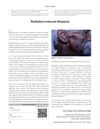
January 2010 in “International journal of trichology” A man experienced hair loss from radiotherapy, which can be temporary or permanent depending on radiation dose, with potential treatments available.
 15 citations
,
January 2014 in “Dermatology”
15 citations
,
January 2014 in “Dermatology” Some patients with a type of skin lymphoma can experience a rare, non-scarring hair loss that looks like another hair loss condition but has distinct features.