3 citations
,
August 2024 in “Clinical Cosmetic and Investigational Dermatology” The 1927 nm fractional thulium laser effectively treats acne by targeting and improving affected skin areas.
 2 citations
,
May 2023 in “Experimental dermatology”
2 citations
,
May 2023 in “Experimental dermatology” New imaging techniques can assess and track changes in mouse acne without harm, aiding treatment choices.
 1 citations
,
December 2023 in “Indian Dermatology Online Journal”
1 citations
,
December 2023 in “Indian Dermatology Online Journal” Steatocystoma multiplex causes recurring skin cysts and needs early recognition for better management.
December 2025 in “Bioengineering” Sebum is essential for skin health but can cause acne if unbalanced.
 June 2025 in “Microorganisms”
 Microbial imbalances in hair follicles may contribute to hair loss, especially in women.
 April 2024 in “Histochemistry and cell biology”
 N-acetylcysteine may prevent hair loss caused by chemotherapy.
April 2024 in “Molecules/Molecules online/Molecules annual” Paris polyphylla saponins may effectively treat acne due to their antibacterial and anti-inflammatory properties.
319 citations
,
November 2005 in “Proceedings of the National Academy of Sciences” Hair follicle stem cells can help repair damaged nerves.
63 citations
,
April 2005 in “Mechanisms of development” Mice with too much Claudin-6 have skin barrier problems and abnormal hair growth.
40 citations
,
May 2005 in “Journal of Cell Science” Truncated LTBP-1 disrupts TGF-β signaling, affecting hair growth.
18 citations
,
February 2006 in “Genomics” A new genetic mutation in mice causes permanent hair loss and skin wrinkling.
 June 2026 in “Preprints.org”
 Atorvastatin in a keratin hydrogel may help treat skin scars effectively.
 July 2025 in “Scientific Reports”
 Fermented grapeseed oil effectively repairs and protects chemically damaged hair.
June 2023 in “International journal of molecular sciences” Heat stress changes goats' skin and hair at the microscopic level and affects their genes and skin bacteria.
17 citations
,
May 2018 in “BMC genomics” Researchers found genes and microRNAs that control curly fleece in Chinese Tan sheep.
 July 2019 in “Journal of Investigative Dermatology”
 The research found that male pattern hair loss is mostly genetic and involves hair thinning due to hormonal effects and changes in gene expression.
 January 2017 in “Journal of Investigative Dermatology Symposium Proceedings”
 The 2015 Hair Research Congress concluded that stem cells, maraviroc, and simvastatin could potentially treat Alopecia Areata, topical minoxidil, finasteride, and steroids could treat Frontal Fibrosing Alopecia, and PTGDR2 antagonists could also treat alopecia. They also found that low-level light therapy could help with hair loss, a robotic device could assist in hair extraction, and nutrition could aid hair growth. They suggested that Alopecia Areata is an inflammatory disorder, not a single disease, indicating a need for personalized treatments.
 43 citations
,
November 2007 in “Journal of Investigative Dermatology Symposium Proceedings”
43 citations
,
November 2007 in “Journal of Investigative Dermatology Symposium Proceedings” The document concludes that proper diagnosis and treatment of common scalp disorders are important for both physical and psychological health.
 34 citations
,
February 2012 in “Journal of Cutaneous Pathology”
34 citations
,
February 2012 in “Journal of Cutaneous Pathology” The research found specific signs to diagnose alopecia areata incognito and noted patients generally regrow hair after steroid treatment.

research Acne
231 citations
,
April 2005 in “The New England Journal of Medicine” Acne affects most teenagers and can continue into adulthood, with various treatments available that show improvement but have concerns like antibiotic resistance and side effects.
 2 citations
,
January 2018
2 citations
,
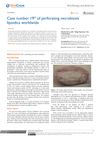
January 2018 The document reports the 19th global case of a rare skin condition in a patient from Colombia.
 March 2015 in “Zagazig University Medical Journal”
 Damage to hair follicle stem cells may cause permanent hair loss and scarring in PCA.
 98 citations
,
May 2008 in “British Journal of Dermatology”
98 citations
,
May 2008 in “British Journal of Dermatology” There are many treatments for permanent hair loss disorders, but their effectiveness varies and there's no clear best option.
 27 citations
,
January 2015 in “Current problems in dermatology”
27 citations
,
January 2015 in “Current problems in dermatology” The document concludes that primary scarring alopecias cause permanent hair loss, have unpredictable outcomes, and lack definitive treatments, requiring personalized care.
 19 citations
,
September 2019 in “EMBO molecular medicine”
19 citations
,
September 2019 in “EMBO molecular medicine” Blocking TSLP reduces skin inflammation and cell overgrowth in psoriasis.

research Acne
2 citations
,
May 2011 in “Harper's Textbook of Pediatric Dermatology” Acne is a common skin condition linked to diet, hormones, and genetics, and early treatment can prevent scarring.
 16 citations
,
October 2014 in “Oral surgery, oral medicine, oral pathology and oral radiology”
16 citations
,
October 2014 in “Oral surgery, oral medicine, oral pathology and oral radiology” Keratoacanthoma comes from hair follicle cells.
 40 citations
,
March 2017 in “The journal of investigative dermatology/Journal of investigative dermatology”
40 citations
,
March 2017 in “The journal of investigative dermatology/Journal of investigative dermatology” Growing hair follicles have high mitochondrial activity and ROS in specific regions, aiding hair formation.
 38 citations
,
June 2003 in “Journal of Investigative Dermatology Symposium Proceedings”
38 citations
,
June 2003 in “Journal of Investigative Dermatology Symposium Proceedings” Accurate clinical, histological, and genetic methods are key for understanding and treating hair disorders.
 16 citations
,
March 2008 in “International journal of pharmaceutics”
16 citations
,
March 2008 in “International journal of pharmaceutics” Different factors like pH, gel type, and chemical enhancers affect how well hydrocortisone gets into hair follicles, and less hydrated skin doesn't work well with the test method.