 23 citations
,
April 1999 in “Dermatologic Clinics”
23 citations
,
April 1999 in “Dermatologic Clinics” Pulsed-intense light can significantly reduce hair, with effectiveness depending on treatment number and timing, and has mild side effects.
 20 citations
,
October 2018 in “American Journal of Clinical Dermatology”
20 citations
,
October 2018 in “American Journal of Clinical Dermatology” Some drugs can cause skin and hair color changes, often reversible when the drug is stopped.
4 citations
,
April 2024 in “Clinical Cosmetic and Investigational Dermatology” Trichoscopy helps distinguish between scalp Discoid Lupus Erythematosus and Lichen Planopilaris for accurate diagnosis and treatment.
 January 2024 in “Pan African Medical Journal”
 Non-scarring hair loss is common in lupus patients and can be diagnosed with specific hair and tissue tests.
170 citations
,
January 2010 in “animal” Hair follicle growth and fiber production in animals are influenced by chemical signals, proteins, pigmentation, genetics, and nutrients.
31 citations
,
January 2007 in “Journal of the American Academy of Dermatology” A rare skin growth was successfully removed without recurrence after one year.
December 2025 in “International Journal of Molecular Sciences” Exosome-based therapies show promise for treating alopecia areata but need more research.
 2 citations
,
January 2017 in “Journal of Pigmentary Disorders”
2 citations
,
January 2017 in “Journal of Pigmentary Disorders” Genetics, stress, and health issues can cause early hair greying, which affects self-esteem, and there's no cure, only hair dye.
 3 citations
,
October 2007 in “Expert Review of Dermatology”
3 citations
,
October 2007 in “Expert Review of Dermatology” Hair ages due to various factors and treatments like minoxidil and finasteride can help, but more research and better public awareness are needed.
 January 2017 in “Springer eBooks”
 The document explains various skin conditions and their treatments.
 75 citations
,
January 2009 in “International journal of trichology”
75 citations
,
January 2009 in “International journal of trichology” Hair grays due to oxidative stress and fewer functioning melanocytes.
 January 2026 in “Stem Cell Reviews and Reports”
 Hair graying may help prevent cancer by protecting stem cells.
 May 2010 in “Journal of the Dermatology Nurses' Association”
 Cicatricial alopecia causes permanent hair loss and is treated to relieve symptoms and stop progression.
 June 2008 in “Springer eBooks”
 The document concludes that permanent hair loss conditions are complex, require early specific treatments, and "secondary permanent alopecias" might be a more accurate term than "secondary cicatricial alopecia."
 2 citations
,
January 2019
2 citations
,
January 2019 The document concludes that autoimmune skin disorders are treated with corticosteroids and immunosuppressive drugs.
 72 citations
,
January 2001 in “Drugs”
72 citations
,
January 2001 in “Drugs” Minoxidil and finasteride treat hair loss; more research needed for other options.
 1 citations
,
June 2015 in “Australasian Journal of Dermatology”
1 citations
,
June 2015 in “Australasian Journal of Dermatology” A patient with Cronkhite-Canada syndrome improved with nutritional support and steroids, but early diagnosis is key due to high mortality.
 1 citations
,
February 2004 in “Journal of The European Academy of Dermatology and Venereology”
1 citations
,
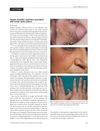
February 2004 in “Journal of The European Academy of Dermatology and Venereology” Hair loss improved with treatment and successful transplant.

Low-level laser therapy is a safe, painless method that effectively treats acne and improves skin without post-treatment care.
 March 2017 in “InTech eBooks”
 Acne vulgaris is a common skin condition that can cause low self-esteem and depression, and early treatment is important to prevent scarring.
 759 citations
,
February 2009 in “Current Biology”
759 citations
,
February 2009 in “Current Biology” Hair follicles are complex, dynamic mini-organs that help us understand cell growth, death, migration, and differentiation, as well as tissue regeneration and tumor biology.
 17 citations
,
October 2015 in “Medicine and Pharmacy Reports”
17 citations
,
October 2015 in “Medicine and Pharmacy Reports” Animal models are crucial for learning about hair loss and finding treatments.
 7 citations
,
February 2019 in “International Journal of Dermatology”
7 citations
,
February 2019 in “International Journal of Dermatology” Gray hair is caused by reduced melanin production or transfer issues, linked to aging and possibly health conditions, with treatments focusing on color camouflage.
 1 citations
,
July 2024 in “International Journal of Dermatology Venereology and Leprosy Sciences”
1 citations
,
July 2024 in “International Journal of Dermatology Venereology and Leprosy Sciences” Cysteine strengthens hair, and glutamine fuels hair growth.
 249 citations
,
April 2002 in “The FASEB journal”
249 citations
,
April 2002 in “The FASEB journal” Human skin can make serotonin and melatonin.
 150 citations
,
April 1999 in “Dermatologic Clinics”
150 citations
,
April 1999 in “Dermatologic Clinics” Laser hair removal effectiveness depends on targeting hair structures without harming the skin, and improvements require more research and expert collaboration.
 29 citations
,
October 2011 in “British Journal of Dermatology”
29 citations
,
October 2011 in “British Journal of Dermatology” Certain microRNAs are more common in balding areas and might be involved in male pattern baldness.
 170 citations
,
December 2009 in “Histopathology”
170 citations
,
December 2009 in “Histopathology” The conclusion is that accurate diagnosis of different types of hair loss requires good teamwork between skin doctors and lab experts.
 98 citations
,
December 2008 in “Journal of Investigative Dermatology”
98 citations
,
December 2008 in “Journal of Investigative Dermatology” Prolactin affects hair growth and skin conditions, and could be a target for new skin disease treatments.
 56 citations
,
November 2010 in “Pigment Cell & Melanoma Research”
56 citations
,
November 2010 in “Pigment Cell & Melanoma Research” Brain hormones significantly affect hair color and could potentially be used to prevent or reverse grey hair.