 March 2026 in “Trends in Sciences”
 A mouse model was created to study hair loss similar to humans.
March 2026 in “International Journal of Dermatology” Changes in scalp microbes may contribute to hair loss, suggesting new treatment options.
March 2026 in “Journal of the American Academy of Dermatology” Hair diameter diversity could improve androgenetic alopecia assessment and treatment planning.
 February 2026 in “Zenodo (CERN European Organization for Nuclear Research)”
 Natural hair growth ingredients like plant extracts and vitamins show promise but need better formulations for effectiveness.
 February 2026 in “Clinical Cosmetic and Investigational Dermatology”
 A 7-year-old girl experienced temporary hair loss due to radiation, with signs of possible hair regrowth.

Higher cannabis exposure may lead to increased hair loss.
 December 2025 in “Dermatological Health”
 Using eyebrow powder caused eyebrow hair loss, but stopping its use led to regrowth.

Higher cannabis use may be linked to more severe hair loss.
October 2025 in “Jurnal Ilmiah Kedokteran dan Kesehatan” Multivitamins can help hair growth and health, especially if you have nutritional deficiencies, but should be used carefully.
 September 2025 in “Sahel Journal of Life Sciences FUDMA”
 Chemical hair straighteners can severely damage hair and scalp with repeated use.
Removing follicular plugging is crucial for effective alopecia treatment.

Hair transplantation in women needs a personalized approach due to unique hair loss patterns and societal pressures.
 July 2023 in “Journal of Clinical Medicine”
 The document concludes that understanding hair follicle histology and the hair cycle is crucial for diagnosing alopecia.
 April 2023 in “World Journal Of Advanced Research and Reviews”
 Cosmetic products or emotional factors might contribute to Frontal Fibrosing Alopecia, and trichoscopy is useful for diagnosis.
 March 2021 in “CRC Press eBooks”
 The document concludes that different patterns of hair thickness and scalp changes can help diagnose types of non-scarring hair loss.
January 2020 in “Revista Dermatológica Centro Uraga” Recognizing trichoscopic features is crucial for diagnosing various hair loss conditions.
Androgenetic alopecia causes gradual hair thinning due to genetics and hormones, with treatment options including scalp prostheses.
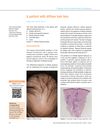 January 2015 in “Indian Dermatology Online Journal”
 The patient's hair loss is most likely due to diffuse alopecia areata.
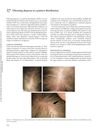 April 2012 in “Informa Healthcare eBooks”
 Fibrosing alopecia in a pattern distribution is a unique hair loss condition with inflammation and scarring, resembling but distinct from common balding.
 January 2022 in “International Journal of Health Science”
 Topical products, especially specific shampoos, are effective in treating androgenetic alopecia by delivering active ingredients to hair follicles and improving hair quality.
 16 citations
,
July 2016 in “Veterinary Dermatology”
16 citations
,
July 2016 in “Veterinary Dermatology” Dermoscopy is useful for diagnosing hair loss patterns in dogs.
 4 citations
,
November 2016 in “Hair transplant forum international”
4 citations
,
November 2016 in “Hair transplant forum international” Only about 14% of hair follicles can be safely removed in hair transplants without affecting the surrounding area.
1 citations
,
September 2023 in “Portuguese Journal of Dermatology and Venereology” Trichoscopy can help diagnose and decide when to biopsy folliculotropic mycosis fungoides.
 February 2022 in “CRC Press eBooks”
 Hair disorders include hair loss, excessive hair growth, and ingrown hairs, with various treatments available depending on the cause.
 July 2018 in “Hair transplant forum international”
 To prevent thinning in the donor area, harvest less than 50% of the original hair density in repeat hair transplants.
Dermoscopy is useful for diagnosing hair loss patterns in dogs.
 July 2023 in “Dermatology practical & conceptual”
 The machine learning model effectively assesses the severity of hair loss and could help dermatologists with treatment decisions.
September 2021 in “CRC Press eBooks” Erosive pustular dermatosis of the scalp causes painful, scarring skin lesions on the scalp, mainly in elderly people with sun-damaged skin.
 July 2019 in “Journal of Investigative Dermatology”
 The research found that male pattern hair loss is mostly genetic and involves hair thinning due to hormonal effects and changes in gene expression.
 211 citations
,
April 2013 in “Development”
211 citations
,
April 2013 in “Development” More dermal papilla cells in hair follicles lead to larger, healthier hair, while fewer cells cause hair thinning and loss.