 January 2024 in “Advances in Cosmetic Surgery”
 Robotic hair restoration is a safe, efficient alternative to manual hair transplant, best for men with dark, thick hair and skin, requiring sufficient donor hair and postoperative care.
 October 2022 in “Facial Plastic Surgery Clinics of North America”
 Hair restoration surgery, including hairline-lowering and hair transplantation, can effectively treat hair loss and improve appearance in all ethnic groups.
 October 2021 in “Indian Journal of Plastic Surgery”
 Hair transplant techniques have improved and become less invasive over time, but there are concerns about unregulated centers. The market is growing, with potential for more growth in India due to increasing hair loss cases. New technologies like robotic transplants are promising for the future. Surgeons are encouraged to prioritize patient safety and understand the science behind their techniques.
 September 2020 in “Georg Thieme Verlag eBooks”
 The chapter discusses methods to improve hair growth in men.
August 2017 in “Otolaryngology” Using a buffering solution and applying Platelet-Rich Plasma improves hair graft survival in hair restoration surgery.
 January 2017 in “SM dermatology journal”
 Eyebrow hair transplants have high patient satisfaction and require surgeons to have artistic and technical skills.
 May 2013 in “Trends in Urology & Men's Health”
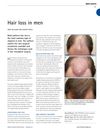
 Male-pattern hair loss is normal, often involves hormone effects on hair follicles, and can be treated with medication or surgery, but new treatments are being researched.
 November 2002 in “Dermatologic Surgery”
 Scalp reduction gives the most natural result for significant crown baldness, despite potential complications, and a systematic approach to surgical hair restoration results in few complications and high graft survival.
 October 2002 in “Dermatologic Surgery”
 The document concludes that careful planning, efficient use of every hair graft, and setting surgical priorities are crucial for successful hair restoration surgery.
 September 2002 in “Dermatologic Surgery”
 The best results in surgical hair restoration come from careful techniques, optimal use of limited hair supply, correct hair direction, saving hair for key areas, understanding scarring effects, and adjusting hair graft density.
 September 2024 in “Journal Of Social Sciences And Humanites”
 A combined approach of medical treatments, natural remedies, diet, and stress management is best for hair regrowth in Cambodia.
 31 citations
,
November 2013 in “Dermatologic Clinics”
31 citations
,
November 2013 in “Dermatologic Clinics” The ARTAS robotic system for hair restoration is efficient with fewer cuts than manual methods, but it's limited to certain hair types and can still leave scars.
 13 citations
,
March 2013 in “Dermatologic Surgery”
13 citations
,
March 2013 in “Dermatologic Surgery” The document concludes that hair restoration has advanced significantly, with FUE becoming more popular, and stresses the importance of physician training and ethical practices in the field.
 11 citations
,
July 2008 in “Facial Plastic Surgery Clinics of North America”
11 citations
,
July 2008 in “Facial Plastic Surgery Clinics of North America” Hair restoration surgery redistributes existing hair to achieve a natural look, with visible regrowth in 3-4 months and rare complications, mostly aesthetic.

Modern hair restoration techniques can effectively treat hair loss and provide natural-looking results.
 January 2016 in “Springer eBooks”
 The document concludes that there are various causes and treatments for hair loss, with hair transplantation being a notable option.

Hair restoration surgery has improved to transplant hair in natural groupings, but it's labor-intensive and can't fully restore normal hair density.
 June 2001 in “International Journal of Cosmetic Surgery and Aesthetic Dermatology”
 The Hair Implanter Pen increases speed and is gentle on grafts, with users mastering it after a few tries.
 36 citations
,
February 2018 in “British Journal of Dermatology”
36 citations
,
February 2018 in “British Journal of Dermatology” Sweat glands and hair follicles are structurally connected within a specific layer of skin fat.
 7 citations
,
August 2019 in “Aesthetic Plastic Surgery”
7 citations
,
August 2019 in “Aesthetic Plastic Surgery” Both surgical and non-surgical hair loss treatments lack a standard treatment plan and sufficient patient satisfaction data.
 4 citations
,
January 2012 in “International Society of Hair Restoration Surgery”
4 citations
,
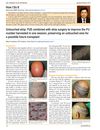
January 2012 in “International Society of Hair Restoration Surgery” Combining FUE and strip surgery increases hair harvested in one session and keeps options open for future transplants.
August 2025 in “Journal of Cosmetic Dermatology” Hairline transplants improve forehead appearance and satisfaction in East Asian women.
 April 2021 in “Advances in Cosmetic Surgery”
 Hair restoration can be achieved through non-surgical treatments like minoxidil, antiandrogens, phototherapy, and PRP procedures, or through surgical methods like hair transplantation. Continued treatment is needed to maintain results, and full results are visible after 12-18 months.
 June 2020 in “Journal of cosmetic medicine”
 Eyebrow transplants use hair from the scalp or pubic area, with blonde hair looking more natural, and can leave scars depending on the method used.
 March 2009 in “Medical & surgical dermatology”
 Women with androgenetic alopecia have fewer terminal hairs, phenol in nail surgery is safe, and a new hair transplant method is faster and less damaging.
 3 citations
,
August 1998 in “Dermatologic Surgery”
3 citations
,
August 1998 in “Dermatologic Surgery” Bobby Limmer was crucial in developing a hair transplant method that uses natural hair groupings for a more realistic look.
 2 citations
,
March 2013 in “Hair transplant forum international”
2 citations
,
March 2013 in “Hair transplant forum international” Research on "hair cloning" for hair loss shows potential for hair thickening but has not yet achieved new hair growth in humans.
 April 2019 in “Advances in Cosmetic Surgery”
 The document concludes that ongoing medical therapy is crucial for preventing hair loss, and surgical options can restore hair, with future treatments for hair loss being promising.
 August 2016 in “JAMA Facial Plastic Surgery”
 Hair restoration can improve attractiveness and trustworthiness, but it should be done aesthetically; advancements in technology and medical therapies are making it more accessible and effective.
 October 2010 in “Journal of Drugs in Dermatology”
 In 2010, Marco Toscani's team introduced a new scalpel for hair transplants that cuts parallel to hair follicles, reducing hair loss and improving on previous methods.