5 citations
,
April 2019 in “DOAJ (DOAJ: Directory of Open Access Journals)” Stopping shaving or removing hair follicles usually resolves Pseudofolliculitis barbae.
January 2024 in “Revista del Centro Dermatológico Pascua” Avoiding damage and using specific shampoo and supplements improved the hair condition.
1 citations
,
January 2007 in “The Internet Journal of Dermatology” A rare, harmless skin tumor was found on a man's nose.
1 citations
,
November 2022 in “Indian Journal of Dermatology/Indian journal of dermatology” Dermoscopy helps accurately diagnose and treat benign skin cysts.
 5 citations
,
November 2012 in “Actas Dermo-Sifiliográficas”
5 citations
,
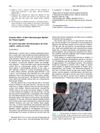
November 2012 in “Actas Dermo-Sifiliográficas” Comma hairs are a new sign for identifying scalp fungal infections.
37 citations
,
April 1977 in “Journal of Cutaneous Pathology” Skin biopsy can help diagnose hair loss from trichotillomania.
 March 2024 in “Hair transplant forum international”
 A single hair transplant treatment was effective for a mild scalp condition.
96 citations
,
February 2002 in “Journal of the American Academy of Dermatology” Pseudofolliculitis barbae is a chronic skin condition affecting mainly African American and Hispanic individuals, caused by shaving tightly curled hair, and managed by prevention and treatment but not curable.
148 citations
,
September 2003 in “Journal of Investigative Dermatology Symposium Proceedings” Alopecia areata is an autoimmune disorder causing hair loss, linked to specific hair follicle antigens and genetic factors.
 January 2018 in “Skin appendage disorders”
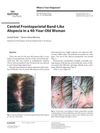
 A woman's hair loss was correctly diagnosed as Lichen planopilaris after initial misdiagnosis, highlighting the usefulness of trichoscopy in diagnosing hair disorders.
 3 citations
,
January 2024 in “Cureus”
3 citations
,
January 2024 in “Cureus” Folliculitis decalvans was successfully treated with doxycycline and ozenoxacin.
18 citations
,
January 2009 in “Experimental Dermatology” mTOR may link different pathways in hair follicle tumor formation.
 3 citations
,
October 2021 in “Journal of Cosmetic Dermatology”
3 citations
,
October 2021 in “Journal of Cosmetic Dermatology” Trichoscopy helps tell apart Frontal Fibrosing Alopecia and Lichen planopilaris by showing different hair and scalp features.
32 citations
,
August 2016 in “Journal of the American Academy of Dermatology” Temporal triangular alopecia is a non-scarring hair loss in children, often linked to other health conditions.
30 citations
,
July 1993 in “Journal of Investigative Dermatology”  March 2014 in “Journal of The American Academy of Dermatology”
 Cortexolone 17a-propionate may be an effective new treatment for hair loss.
 29 citations
,
April 2013 in “Mycoses”
29 citations
,
April 2013 in “Mycoses” A young man was initially misdiagnosed with a scalp condition but was found to have a fungal infection, which improved with antifungal treatment.
 January 2026 in “Acta Dermatovenerologica Alpina Pannonica et Adriatica”
 Primary cicatricial alopecia causes permanent hair loss by destroying hair follicles, and its exact cause is unknown.
 3 citations
,
November 1999 in “Journal of Cutaneous Medicine and Surgery”
3 citations
,
November 1999 in “Journal of Cutaneous Medicine and Surgery” Examining scalp biopsies in different ways helps better diagnose hair loss types.

Men with CCCA often face delayed diagnosis and severe hair loss, highlighting the need for earlier recognition and treatment.
1 citations
,
February 2023 in “American Journal of Dermatopathology” Microscarring is found in both alopecia areata and pattern hair loss, suggesting a shared cause.
 September 2022 in “Skin appendage disorders”
 Seborrheic dermatitis may contribute to the development of central centrifugal cicatricial alopecia.
 16 citations
,
November 2023 in “Scientific Reports”
16 citations
,
November 2023 in “Scientific Reports” The niosomes effectively target hair follicles for acne treatment.
 4 citations
,
May 2021 in “Biomedicines”
4 citations
,
May 2021 in “Biomedicines” Targeting the protein Caveolin-1 might help treat a type of scarring hair loss called Frontal Fibrosing Alopecia.
 35 citations
,
January 1996 in “Dermatologic clinics”
35 citations
,
January 1996 in “Dermatologic clinics” Tinea capitis is a common scalp infection causing hair loss, mostly in young children.
Mutations in the PADI3 gene may cause central centrifugal cicatricial alopecia in women of African ancestry.
June 2023 in “Dermatopathology” A woman had a unique skin growth with hair follicle, oil glands, fat cells, spindle cells, and nerve fibers.
April 2016 in “Journal of the American Academy of Dermatology” A 4-year-old girl had a rare hair disorder affecting only part of her scalp.
4 citations
,
April 2001 in “Experimental Dermatology” Using single dermal papillae is unreliable for analyzing androgen metabolism in hair follicles.
8 citations
,
April 2014 in “Clinical and Experimental Dermatology” Eruptive vellus hair cysts likely originate from the infrainfundibulum and sebaceous duct.