October 2006 in “Urology” The study found that different criteria led to different patient groups in the CombAT study compared to the MTOPS study.
3 citations
,
October 2015 in “EFSA supporting publications” Isoflavones may help with menopause symptoms but could be risky for women with hormone-sensitive cancers.
 9 citations
,
August 2014 in “Journal of The American Academy of Dermatology”
9 citations
,
August 2014 in “Journal of The American Academy of Dermatology” Hormonal imbalances may play a role in frontal fibrosing alopecia, and antiandrogenic drugs combined with steroids are currently the most effective treatment.
July 2026 in “Journal of the American Academy of Dermatology”  January 2025 in “Dermatology Practical & Conceptual”
 Topical finasteride is as effective and safe as minoxidil for treating female pattern hair loss.
3 citations
,
July 2022 in “European Journal of Dermatology” Brodalumab is more effective than ustekinumab for treating psoriasis.
61 citations
,
January 1970 in “Toxicology and Applied Pharmacology” 3 citations
,
April 1977 in “PubMed” The treatment improved acne, seborrhoea, and hirsutism, with some side effects like spotting and nervousness.
 192 citations
,
September 2003 in “The Journal of clinical endocrinology and metabolism/Journal of clinical endocrinology & metabolism”
192 citations
,
September 2003 in “The Journal of clinical endocrinology and metabolism/Journal of clinical endocrinology & metabolism” Metformin is effective for treating excessive hair growth in women with PCOS and may work better than the standard treatment in some ways.
 July 2023 in “Developmental medicine and child neurology/Developmental medicine & child neurology”
 DFMO treatment improves hair growth, muscle tone, and development in Bachmann-Bupp syndrome patients.
January 2011 in “Yearbook of Endocrinology”  2 citations
,
November 1990 in “International Journal of Dermatology”
2 citations
,
November 1990 in “International Journal of Dermatology” Albendazole can cause hair loss, and piroxicam can cause fixed drug eruption.
 87 citations
,
March 2000 in “American Journal of Clinical Dermatology”
87 citations
,
March 2000 in “American Journal of Clinical Dermatology” Alpha-hydroxy acids, like glycolic acid, safely improve skin issues and work on all skin types.
 December 2025 in “Scientific Reports”
 Valproic acid helps hair follicle stem cells survive better in low oxygen and glucose conditions.
 12 citations
,
December 2002 in “Fertility and Sterility”
12 citations
,
December 2002 in “Fertility and Sterility” Spironolactone plus finasteride works better for treating hirsutism.
October 2025 in “CRC Press eBooks”  5 citations
,
June 2019 in “Open Forum Infectious Diseases”
5 citations
,
June 2019 in “Open Forum Infectious Diseases” Six African American women experienced hair loss after switching to a new HIV medication.
1 citations
,
May 2021 in “Journal of the Endocrine Society” A woman developed Cushing syndrome and adrenal insufficiency from using fluticasone and ritonavir together.
18 citations
,
July 1998 in “Pediatric Dermatology” Monthly oral corticosteroid pulses effectively treat widespread alopecia areata in young patients.
 June 2024 in “Australasian Journal of Dermatology”
 Tofacitinib is safe and effective for treating moderate-to-severe alopecia areata.
 July 2020 in “Environmental Science and Pollution Research”
 Finasteride harms invertebrates' survival and burial ability.
Baricitinib works better than methotrexate for severe alopecia areata.
March 2023 in “Advances in Clinical and Experimental Medicine” Oral and topical finasteride are effective and safe for treating female hair loss.
9 citations
,
July 2022 in “Journal of Clinical Oncology” Oral paclitaxel plus encequidar improved tumor response and caused less neuropathy but more serious infections than intravenous paclitaxel.
 June 2026 in “World Journal of Clinical Pediatrics”
 Early diagnosis and tailored treatment improve outcomes for non-nutritional rickets.
March 1997 in “Fertility and sterility” Finasteride is an effective and well-tolerated treatment for hirsutism.
 14 citations
,
April 2019 in “International Journal of Women's Health”
14 citations
,
April 2019 in “International Journal of Women's Health” Some treatments can stabilize Frontal Fibrosing Alopecia, but more research is needed to find effective treatments, and hair transplants often fail.
 78 citations
,
March 2017 in “JAMA Dermatology”
78 citations
,
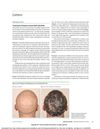
March 2017 in “JAMA Dermatology” Tofacitinib helped regrow hair in people with severe alopecia, but side effects occurred and benefits stopped after treatment ended.
Antimalarial agents are effective for LPP, and intralesional steroids are effective for FFA.
 March 2025 in “Journal of Cosmetic Dermatology”
 Finasteride use may increase depression and suicide risk, especially at 1 mg, so monitoring is advised.