28 citations
,
November 2018 in “American Journal of Medical Genetics Part A” ODC1 gene mutations cause a neurodevelopmental disorder with large head size, hair loss, and facial abnormalities.
 May 2026 in “Research Square”
 The polyG fragment in Hoxc13 protein helps evolve mammalian skin and hair by enhancing gene interactions.
VDAC2 promotes cell death in cashmere goat hair follicles through the P53 pathway.
 9 citations
,
January 2021 in “International Journal of Medical Sciences”
9 citations
,
January 2021 in “International Journal of Medical Sciences” Sox10 is important for hair follicle development and hair growth cycles.
6 citations
,
May 2012 in “The Journal of Dermatology” Fexofenadine may help treat a difficult type of hair loss.
8 citations
,
July 2022 in “International Journal of Molecular Sciences” 17β-estradiol lowers polyamine oxidase levels in breast cancer cells through estrogen receptor 2.
29 citations
,
January 2021 in “G3 Genes Genomes Genetics” A 195 bp duplication in the HOXC10 gene causes crests in domestic chickens.
January 2024 in “International journal of molecular sciences” Hoxc13 gene affects wool length in Gansu alpine fine-wool sheep.
April 2026 in “Human Genome Variation” Long-read RNA sequencing can identify complex gene changes in IFAP syndrome.
 July 2019 in “Faculty Opinions – Post-Publication Peer Review of the Biomedical Literature”
 Activin A speeds up ear hair cell differentiation, while Follistatin slows it down.
 April 2018 in “Journal of Investigative Dermatology”
 Fetuin A, Anigozanthos Flavidus extract, and Ovol2 affect wound healing and skin regeneration.
 12 citations
,
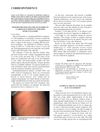
January 2005 in “Pediatric Dermatology”
12 citations
,
January 2005 in “Pediatric Dermatology” Fox Fordyce disease might be more common in prepubertal girls than thought and can be managed with treatment.
 April 2017 in “Journal of Investigative Dermatology”
 The PON1 192R gene variant is linked to a higher risk of psoriasis and heart disease in Western Mexico.
 September 2024 in “Medicina”
 Certain gene variations may protect against skin issues and oxidative stress in women with PCOS.
3 citations
,
March 2025 in “Science Advances” A specific DNA duplication in Polish chickens affects feather shape by altering gene expression.
 81 citations
,
January 2003 in “The FASEB Journal”
81 citations
,
January 2003 in “The FASEB Journal” Follistatin helps hair growth and cycling, while activin prevents it.
 3 citations
,
February 2019 in “Animal biotechnology”
3 citations
,
February 2019 in “Animal biotechnology” The PLP2 gene affects cashmere fiber quality in goats and is linked to hair growth and loss.
1 citations
,
April 2022 in “Journal of cosmetic dermatology” Krox20 overexpression in fibroblasts may play a role in abnormal scar formation and could be a target for new treatments.
 8 citations
,
November 2018 in “Australasian Journal of Dermatology”
8 citations
,
November 2018 in “Australasian Journal of Dermatology” Frontal fibrosing alopecia in families shows similar signs to individual cases and may have a genetic link.
 28 citations
,
August 2014 in “Journal of Assisted Reproduction and Genetics”
28 citations
,
August 2014 in “Journal of Assisted Reproduction and Genetics” The VEGF +405G allele may increase the risk of PCOS in South Indian women.
April 2021 in “Journal of Investigative Dermatology” Krox20 is crucial for hair growth and maintaining skin stem cells.
158 citations
,
December 2002 in “Development” Msx2-deficient mice experience irregular hair growth and loss due to disrupted hair cycle phases.
37 citations
,
July 1999 in “The EMBO Journal” Overexpression of certain genes can shorten hair by disrupting the hair-growth cycle.
 April 2026 in “Human Genome Variation”
 The MBTPS2 gene variant c.970+5G>A is a common mutation causing IFAP syndrome.
19 citations
,
September 2019 in “British Journal of Dermatology” FOL-005 peptide can reduce human hair growth by lowering FGF7 levels.
 15 citations
,
December 2014 in “PLoS ONE”
15 citations
,
December 2014 in “PLoS ONE” A mutation in the iRhom2 gene causes hairless mice due to abnormal hair follicle development.
128 citations
,
March 1989 in “Experimental Cell Research” Hoxc13 is important for hair and tongue development by controlling hair keratin genes.
 April 2018 in “Journal of Investigative Dermatology”
 Fgf20 is important for the development and regulation of the cells that form the base of hair follicles.
75 citations
,
March 2007 in “Journal of Biological Chemistry” QSOX enzymes help form protein bonds in cells, especially in tissues with high secretory activity.
The scant hair in snthr-1Bao mice is likely caused by a deletion affecting the Plcd1 gene.