 1 citations
,
January 2014 in “The Journal of Dermatology”
1 citations
,
January 2014 in “The Journal of Dermatology” A patient with Ivemark syndrome developed mixed type vitiligo after a hepatitis C infection, showing different treatment responses and immune cell involvement in the skin.
 January 2026 in “Immune Network”
 Regulatory T cells adapt to different environments to control inflammation and support tissue repair.
 October 2023 in “bioRxiv (Cold Spring Harbor Laboratory)”
 Early regulatory T cells are crucial for normal skin pigmentation.
 January 2016 in “Journal of Investigative Dermatology”
 Some cells may slow melanoma growth, a protein could affect skin pigmentation, a gene-silencing method might treat hair defects, skin bacteria changes likely result from eczema, and a defensin protein could help treat multiple sclerosis.
 January 2016 in “Experimental Dermatology”
 New findings suggest potential treatments for melanoma, hyperpigmentation, hair defects, and multiple sclerosis, and show skin microbiome changes don't cause atopic dermatitis.
 December 2012 in “Journal of dermatological science”
 Langerhans cells and melanocytes migrate to the skin and hair follicles during early human development.
 21 citations
,
November 2010 in “Journal of molecular medicine”
21 citations
,
November 2010 in “Journal of molecular medicine” FoxN1 gene is essential for proper thymus structure and preventing hair loss.
 6 citations
,
May 2013 in “PloS one”
6 citations
,
May 2013 in “PloS one” The Foxn1(-/-) nude mouse shows disrupted and expanded skin stem cell areas due to high Lhx2 levels.
 321 citations
,
March 2015 in “Nature”
321 citations
,
March 2015 in “Nature” Super-enhancers controlled by pioneer factors like SOX9 are crucial for stem cell adaptability and identity.
 66 citations
,
March 2019 in “Cellular and Molecular Life Sciences”
66 citations
,
March 2019 in “Cellular and Molecular Life Sciences” Melanocyte development from neural crest cells is complex and influenced by many factors, and better understanding could help treat skin disorders.
 10 citations
,
April 2019 in “Environmental Science and Pollution Research”
10 citations
,
April 2019 in “Environmental Science and Pollution Research” Eating selenium-rich rice improved antioxidant activity and signs of aging in mice.
 December 2025 in “Journal of Ovarian Research”
 Vitamin B6 may help activate dormant follicles.
 January 2017 in “NASA Technical Reports Server (NASA)”
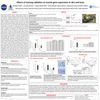
 Early changes in skin gene expression can predict later bone mass loss after radiation exposure.
 123 citations
,
November 2012 in “Stem cells”
123 citations
,
November 2012 in “Stem cells” MicroRNA-302 helps improve the conversion of body cells into stem cells by blocking NR2F2.
27 citations
,
February 2020 in “EMBO Reports” MEX3A is crucial for maintaining intestinal stem cells in mice.
 6 citations
,
July 2023 in “Nature cell biology”
6 citations
,
July 2023 in “Nature cell biology” SOX9 helps determine stem cell roles by interacting with DNA and proteins that control gene activity.
 September 2025 in “Digital Commons - RU (Rockefeller University)”
 FOXC1 is essential for keeping hair follicle stem cells inactive and maintaining their environment for healthy hair growth.
 421 citations
,
April 2012 in “The New England Journal of Medicine”
421 citations
,
April 2012 in “The New England Journal of Medicine” Alopecia Areata is an autoimmune condition causing hair loss with no cure and treatments that often don't work well.
 343 citations
,
March 2016 in “Nature Communications”
343 citations
,
March 2016 in “Nature Communications” IL-17-producing γδ T cells help improve bone healing.
 320 citations
,
December 2018 in “Frontiers in Immunology”
320 citations
,
December 2018 in “Frontiers in Immunology” Changing how mesenchymal stromal cells are grown can improve their healing abilities.
 316 citations
,
June 2017 in “Stem Cell Research & Therapy”
316 citations
,
June 2017 in “Stem Cell Research & Therapy” Fat tissue-derived cells show promise for repairing body tissues, but more research and regulation are needed for safe use.
 306 citations
,
April 2019 in “International Journal of Molecular Sciences”
306 citations
,
April 2019 in “International Journal of Molecular Sciences” The skin has a complex immune system that is essential for protection and healing, requiring more research for better wound treatment.
 298 citations
,
January 2014 in “BioMed Research International”
298 citations
,
January 2014 in “BioMed Research International” Stem cell-derived conditioned medium shows promise for treating various medical conditions but requires standardized production and further validation.
 290 citations
,
December 2017 in “Journal of The American Academy of Dermatology”
290 citations
,
December 2017 in “Journal of The American Academy of Dermatology” Alopecia areata is an autoimmune condition causing hair loss, influenced by genetics, stress, and diet, and may be prevented by a high soy oil diet.
 273 citations
,
May 2017 in “The Lancet”
273 citations
,
May 2017 in “The Lancet” Some drugs can cause rare but potentially deadly skin reactions, and early treatment and avoiding the drug again are key.
 271 citations
,
May 2019 in “Cells”
271 citations
,
May 2019 in “Cells” The secretome from mesenchymal stem cells is a promising treatment that may repair tissue and avoid side effects of stem cell transplantation.
 252 citations
,
February 2018 in “npj Regenerative Medicine”
252 citations
,
February 2018 in “npj Regenerative Medicine” Understanding different species' regeneration can improve mammalian healing.
 211 citations
,
November 2018 in “Nature Cell Biology”
211 citations
,
November 2018 in “Nature Cell Biology” Stem cells help heal skin wounds by moving and changing roles, working with other cells, and needing more research on their activation and behavior.
 191 citations
,
May 2018 in “British journal of dermatology/British journal of dermatology, Supplement”
191 citations
,
May 2018 in “British journal of dermatology/British journal of dermatology, Supplement” Alopecia areata is likely an autoimmune disease with unclear triggers, involving various immune cells and molecules, and currently has no cure.
 188 citations
,
March 2018 in “Frontiers in Immunology”
188 citations
,
March 2018 in “Frontiers in Immunology” Regulatory T-cells are important for healing and regenerating tissues in various organs by controlling immune responses and aiding stem cells.