May 2007 in “Archives of Plastic Surgery” The Frechet flap technique effectively hides scalp surgery scars with good results and minimal issues.
 January 2019 in “Clinical Dermatology Open Access Journal”
 Combining corticosteroids and non-ablative fractional laser therapy may effectively treat extensive alopecia areata.
 57 citations
,
January 2003 in “Clinical and experimental dermatology”
57 citations
,
January 2003 in “Clinical and experimental dermatology” Postmenopausal frontal fibrosing alopecia is a type of hair loss in postmenopausal women that may stop on its own but has no effective treatment.
January 2025 in “Journal of Biosciences and Medicines” Careful patient selection is crucial for safe and effective fractional CO2 laser therapy.
 6 citations
,
July 2013 in “Archives of Plastic Surgery”
6 citations
,
July 2013 in “Archives of Plastic Surgery” Using thigh skin, doctors successfully rebuilt a woman's scalp after removing a large tumor, with no tumor return after 8 months.
27 citations
,
March 2011 in “JEADV. Journal of the European Academy of Dermatology and Venereology/Journal of the European Academy of Dermatology and Venereology” Fractional CO₂ laser treatments effectively tighten eyelid skin and elevate eyebrows safely.
The DNS FUE technique offers discreet hair transplants with high satisfaction and low damage rates.
 4 citations
,
May 2013 in “Dermatologic Surgery”
4 citations
,
May 2013 in “Dermatologic Surgery” Three new techniques simplify and improve the preparation of tissue samples for skin cancer surgery.
 5 citations
,
February 2017 in “Facial Plastic Surgery Clinics of North America”
5 citations
,
February 2017 in “Facial Plastic Surgery Clinics of North America” Improve chin and perioral scars with surgery, resurfacing, and other therapies, tailored to each patient.
 4 citations
,
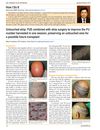
January 2012 in “International Society of Hair Restoration Surgery”
4 citations
,
January 2012 in “International Society of Hair Restoration Surgery” Combining FUE and strip surgery increases hair harvested in one session and keeps options open for future transplants.
 August 2015 in “Dermatología Argentina”
 Frontal fibrosing alopecia causes hairline recession and eyebrow loss in postmenopausal women.
2 citations
,
May 2024 in “PubMed” PRP's effectiveness for acne scars is uncertain.
September 2025 in “Journal of Cosmetic Dermatology” Single-needle radiofrequency is effective and safe for treating facial sebaceous hyperplasia.
 16 citations
,
July 2006 in “International Journal of Oral and Maxillofacial Surgery”
16 citations
,
July 2006 in “International Journal of Oral and Maxillofacial Surgery” The triple rotation scalp flap technique successfully reconstructed a man's scalp with natural-looking hair growth and minimal scarring.
 18 citations
,
March 2018 in “Archives of Plastic Surgery”
18 citations
,
March 2018 in “Archives of Plastic Surgery” The superficial temporal artery flap is a reliable method for reconstructing complex facial defects with minimal complications.
 July 2024 in “International Journal of Dermatology Venereology and Leprosy Sciences”
 The combination treatment improved acne scars.
April 2025 in “ALEXMED ePosters” Combining nanofat with FUE improves scar appearance and function better than FUE alone.
3 citations
,
January 2010 Refined open donor harvesting techniques can reduce hair follicle damage in hair restoration surgery.
 8 citations
,
October 2018 in “Journal of The American Academy of Dermatology”
8 citations
,
October 2018 in “Journal of The American Academy of Dermatology” The review suggests there's no agreed treatment for Frontal Fibrosing Alopecia, but hydroxychloroquine and 5a-reductase inhibitors are most effective. New treatments like platelet-rich plasma and LED light could help if standard treatments fail.
 September 2013 in “Hair transplant forum international”
 The document says doctors should identify and treat Frontal fibrosing alopecia medically before considering surgery, as treatments often don't work well.
32 citations
,
May 2017 in “Lasers in medical science” Radiofrequency treatment helps rejuvenate skin by boosting collagen and blood vessel growth.

Adding a topical agent to IPL improves hair reduction and satisfaction without extra side effects.
 August 1998 in “Dermatologic Surgery”
 Dr. George A. Farber recommends using follicular unit transplantation for hair restoration because it gives a more natural look and has fewer problems compared to the older miniflap technique.
Early diagnosis and treatment of frontal fibrosing alopecia are crucial to prevent permanent hair loss.
1 citations
,
January 2001 in “Acta Archaeologica Academiae Scientiarum Hungaricae” FUE is a less invasive hair restoration method that avoids visible scars and reduces recovery time.
 2 citations
,
May 2010 in “Hair transplant forum international”
2 citations
,
May 2010 in “Hair transplant forum international” Different hair restoration techniques like follicular unit extraction, scalp reduction, and body hair transplantation can improve results for patients unhappy with their initial surgery, but they also have potential risks.
 12 citations
,
October 2017 in “Journal of Cosmetic Dermatology”
12 citations
,
October 2017 in “Journal of Cosmetic Dermatology” Combining plasma rich in growth factors with hair transplant surgery may lead to faster recovery and better outcomes for hair loss treatment.
 27 citations
,
January 2006 in “Dermatologic Surgery”
27 citations
,
January 2006 in “Dermatologic Surgery” The SAFE System for hair transplants results in low damage to follicles and could make the procedure suitable for more patients.
 January 2016 in “Georg Thieme Verlag eBooks”
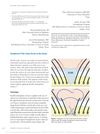
 Facelift surgery has evolved to focus on natural results and safety, with patient selection and postoperative care being key to success.
 1 citations
,
December 2015 in “Dermatologic Surgery”
1 citations
,
December 2015 in “Dermatologic Surgery” Double trichophytic closure effectively treats thin scalp scars and reduces patient costs.