Search
for
Sort by
Research
30-60 / 1000+ resultsresearch X linked mental retardation.
X-linked mental retardation includes various syndromes with both mental and physical abnormalities.
research Trichothiodystrophy and fragile hair: the distinction between diagnostic signs and diagnostic labels in childhood hair disease
Fragile hair in children is rarely linked to trichothiodystrophy (TTD).
research TRANSTORNOS DISSOCIATIVOS EM PACIENTES VÍTIMAS DE ABUSO SEXUAL NA INFÂNCIA
Passiflora incarnata may help with anxiety but has risks and drug interactions.
There's a genetic link between Fragile X Syndrome and Autism Spectrum Disorder.
6.7% of urine cultures showed hospital-acquired urinary tract infections.
Children used screens more during COVID-19, causing various health complaints.
Autism Spectrum Disorder is often underdiagnosed in females.
Dissociative disorders in childhood sexual abuse victims are more common in males.
Most pregnant teenagers are not dissatisfied with their body image but worry about weight.
Diagnosing tuberculosis after knee surgery is challenging due to non-specific symptoms.
Post-COVID-19 syndrome is more common in older, severely affected patients.
Psychiatrists should be part of pain management teams due to the psychological aspects of pain.
research African hair morphology: macrostructure to ultrastructure
African hair is more fragile due to its unique shape and internal structure.
research What Syndrome Is This?
Monilethrix Syndrome causes fragile, beaded hair that breaks easily and needs early diagnosis for better care.
research Hair Shaft Abnormalities. Pili Bifurcati: A Scanning Electron Microscopy Analysis
The study found that pili bifurcati causes hair to intermittently split into two branches, each with its own outer layer.
research Desmoglein 4 Mutations Underlie Localized Autosomal Recessive Hypotrichosis in Humans, Mice, and Rats
Mutations in the DSG4 gene cause fragile, sparse hair in humans, mice, and rats.
research Localized trichorrhexis nodosa
Localized trichorrhexis nodosa is a hair condition where hair becomes fragile and breaks easily due to damage.
research A Recurrent Intragenic Deletion in the Desmoglein 4 Gene Underlies Localized Autosomal Recessive Hypotrichosis
A gene deletion in DSG4 causes sparse hair in some Pakistani families.
research hKAP1.6 and hKAP1.7, Two Novel Human High Sulfur Keratin-Associated Proteins are Expressed in the Hair Follicle Cortex
Two new proteins, hKAP1.6 and hKAP1.7, are found in the hair follicle cortex.
research Hair Follicular Expression and Function of Group X Secreted Phospholipase A2 in Mouse Skin
sPLA2-X is crucial for normal hair growth and follicle health.
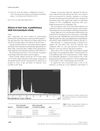
research Silicon in hair loss: a preliminary SEM microanalysis study
The study suggests silicon might be important for healthy hair, as less silicon was found in people with hair loss.

research Non‐endocrine alopecia
The document concludes that non-endocrine alopecia in pets varies in treatment effectiveness and often has a poor prognosis, especially in cats.
research Das Cushing-Syndrom im Spiegel der Haut
Skin symptoms like fragile skin and easy bruising can indicate Cushing's syndrome, which requires early diagnosis and treatment to prevent serious health issues.

research Hereditary, Congenital, and Acquired Alopecias
Different types of hair loss in dogs and cats have various causes and treatments, with outcomes ranging from good to uncertain.

research Secondary Cicatricial and other Permanent Alopecias
The document concludes that permanent hair loss conditions are complex, require early specific treatments, and "secondary permanent alopecias" might be a more accurate term than "secondary cicatricial alopecia."
research IMPORTANCE OF ISOLATED GESTATIONAL HYPOTHYROXINEMIA IN THE DEVELOPMENT OF OBSTETRIC AND SOMATIC PATHOLOGIES.
Pregnant women with isolated hypothyroxinemia face more health issues, so iodine and folic acid supplements are important before and during early pregnancy.
research Hair Shaft Fracture in a Young Athlete: A Rare Case Report of Acquired Trichorrhexis Nodosa
A young athlete's fragile hair condition improved by cutting hair and using gentle shampoo.
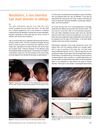
research Monilethrix, a rare inherited hair shaft disorder in siblings
Monilethrix is a genetic hair disorder causing fragile, beaded hair with no effective treatment.
research Congenital and Hereditary Skin Diseases
Bovines can have rare inherited skin diseases with specific symptoms like hair loss, fragile skin, and abnormal porphyrin buildup.
research Epidermolysis bullosa in animals: a review
Epidermolysis bullosa is a genetic disease causing fragile skin and blisters in both animals and humans.
research [Frizzy hair pathology].
Frizzy hair is fragile and can lead to hair loss and damage if not properly cared for.
research The Coexistence of Trachyonychia and Mucocutaneous Lichen Planus: A Case Report
Early diagnosis and treatment of nail and skin conditions can improve health and appearance.
research The effect of menopause on the skin and other connective tissues
Menopause significantly reduces skin collagen, leading to thinner, less elastic skin, and hormone replacement may help but requires careful consideration.

research Hair Loss in Children
The most common cause of hair loss in children is tinea capitis, followed by alopecia areata and telogen effluvium.
research Pili annulati with fragility: Electron microscopic findings of a case
The study found that hair fragility in Pili annulati may be caused by cavities and damage within the hair shafts.

research How different is human hair? A critical appraisal of the reported differences in global hair fibre characteristics and properties towards defining a more relevant framework for hair type classification
Human hair varies widely and should be classified by curl type rather than race.
research Alopecia in a Viable Phospholipase C Delta 1 and Phospholipase C Delta 3 Double Mutant
Mutations in Plcd1 and Plcd3 together cause severe hair loss in mice.
research BULLOUS LUPUS, AN UNCOMMON CAUSE OF ATYPICAL ESOPHAGITIS: A CASE REPORT
Bullous lupus can cause severe esophageal issues but responds well to corticosteroids and azathioprine.