 July 2026 in “Current Issues in Molecular Biology”
 Plerixafor may help restore skin pigmentation safely.
 August 2025 in “Journal of Cosmetic Dermatology”
 Topical treatments and lasers can improve axillary hyperpigmentation, but no best method is established yet.
 1 citations
,
April 2017 in “Journal of Investigative Dermatology”
1 citations
,
April 2017 in “Journal of Investigative Dermatology” D-OCT shows increased blood vessel growth in response to tissue damage in Frontal Fibrosing Alopecia and is useful for diagnosis and monitoring.
3 citations
,
January 2023 in “Journal of Cosmetic Dermatology” Combining laser with PRP is more effective for vitiligo than PRP alone.
January 2014 in “프로그램북(구 초록집)” Laser and light treatments show promise for hair growth but need more research.
1 citations
,
August 2024 in “Lasers in Surgery and Medicine” Calcium hydroxylapatite can be successfully integrated into healing skin and stimulates collagen.
1 citations
,
July 2014 in “The journal of investigative dermatology/Journal of investigative dermatology” Light affects skin health, aging, and cancer risk, and new light-based treatments and imaging are promising for skin care.
 June 2021 in “Journal of Cosmetic Dermatology”
 Laser treatment shows promise for hair growth, but needs further research.
 April 2018 in “The journal of investigative dermatology/Journal of investigative dermatology”
 Higher fluence in hair removal damages hair follicles more, while lower fluence mimics natural hair regression, with long-term IPL treatments effectively reducing hair.
 October 1997 in “Dermatologic Surgery”
 The Epilight Hair Removal System is effective for temporary hair removal with few side effects, but more research is needed to confirm its safety and long-term results.
July 1974 in “Archives of dermatology” The woman's widespread skin condition did not improve despite various treatments.
 November 2024 in “Fizioterapevt (Physiotherapist)”
 High-intensity phototechnology, especially with other treatments, effectively improves quality of life for diffuse alopecia patients.
46 citations
,
December 2000 in “Seminars in Cutaneous Medicine and Surgery” Laser and light treatments offer quick, long-lasting hair removal for large areas.
May 2013 in “CRC Press eBooks” Electrolysis and laser treatments offer more permanent hair removal, but have limitations.
 9 citations
,
July 2022 in “Dermatology and Therapy”
9 citations
,
July 2022 in “Dermatology and Therapy” The laser treatment effectively and safely improved keratosis pilaris.
8 citations
,
June 2023 in “Journal of clinical medicine” Nanofat shows promise for facial rejuvenation and treating skin issues but needs more research for long-term safety.
 1 citations
,
September 2016 in “PubMed”
1 citations
,
September 2016 in “PubMed” Using finasteride 0.5% solution with laser therapy significantly reduces unwanted facial hair in women.
 9 citations
,
July 2002 in “Journal of the European Academy of Dermatology and Venereology”
9 citations
,
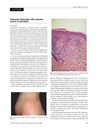
July 2002 in “Journal of the European Academy of Dermatology and Venereology” The document concludes that fexofenadine reduces inflammation in chronic hives, cholestyramine helps half of pregnant women with itchy rashes, and relaxing incisions are a good alternative in facial surgery for the elderly.
 34 citations
,
July 1987 in “The Journal of dermatologic surgery and oncology”
34 citations
,
July 1987 in “The Journal of dermatologic surgery and oncology” Improved dermabrasion techniques in 1987 led to better treatment results for skin issues like acne scars.
 25 citations
,
June 2018 in “Clinical and Experimental Dermatology”
25 citations
,
June 2018 in “Clinical and Experimental Dermatology” Combined microneedling and minoxidil improves hair growth more than minoxidil alone.
5 citations
,
March 2013 in “Journal of cosmetic and laser therapy” Laser treatment successfully removed unwanted facial hair caused by minoxidil.
July 2021 in “British Journal of Dermatology” 
Fructus Psoraleae may help treat hair loss by inhibiting 5-α reductase and affecting the Nrf2-Keap1 pathway.
 9 citations
,
May 2005 in “Facial plastic surgery”
9 citations
,
May 2005 in “Facial plastic surgery” Laser hair removal can be safe and effective for dark-skinned individuals with the right laser settings.
 June 2023 in “QJM: An International Journal of Medicine”
 Laser treatment combined with platelet-rich plasma is more effective for hair loss than laser treatment alone.
 1 citations
,
May 2024 in “Dermatology and Therapy”
1 citations
,
May 2024 in “Dermatology and Therapy” Frontal Fibrosing Alopecia needs better diagnostics and treatments, with dutasteride showing promise.
 September 2024 in “Electronic Journal of General Medicine”
 Laser hair removal can cause severe skin irritation, but it can improve with treatment.

Using a specific laser and platelet-rich plasma together can effectively improve hair thickness and density in men with hair loss, without serious side effects.
 2 citations
,
January 2022 in “Lasers in Medical Science”
2 citations
,
January 2022 in “Lasers in Medical Science” Using a carbon dioxide laser and platelet-rich plasma together can effectively restore hair and patients are generally satisfied with the results.
 April 2024 in “European Journal of Dermatology”
 The 2940-nm Er: YAG fractional laser may help treat receding frontal hairlines in men with androgenetic alopecia.