 29 citations
,
August 2005 in “Biopolymers”
29 citations
,
August 2005 in “Biopolymers” L-cysteine slows down the breaking of bonds in hair due to electrostatic interactions.
November 2023 in “Cosmetics” Rice derivatives in conditioners protect and improve hair health.
45 citations
,
February 2002 in “International Journal of Cosmetic Science” Ceramide helps protect African–American hair from breakage.
 April 2017 in “Journal of Investigative Dermatology”
 Laser treatment may help with hair growth in some people with frontal fibrosing alopecia, but results vary and the exact way it works is unclear.
 January 2025 in “Advanced Materials Interfaces”
 Tannic acid can reduce hair loss by 56.2% by coating hair and releasing beneficial molecules.
12 citations
,
July 2015 in “British journal of dermatology/British journal of dermatology, Supplement” Curly hair breaks due to mechanical damage and environmental factors, not chemical makeup, and needs ongoing care to prevent breakage.
 January 2013 in “Transactions of the Materials Research Society of Japan”
 CMADK reduces hair damage from bleaching and permanent waving.
April 2024 in “Journal of clinical medicine” Effective treatment guidelines for frontal fibrosing alopecia are still unclear.
February 2025 in “Actas Dermo-Sifiliográficas” Low-dose oral minoxidil can help improve hair and eyebrow growth in people with frontal fibrosing alopecia.
 14 citations
,
April 2019 in “International Journal of Women's Health”
14 citations
,
April 2019 in “International Journal of Women's Health” Some treatments can stabilize Frontal Fibrosing Alopecia, but more research is needed to find effective treatments, and hair transplants often fail.
 August 2023 in “Journal of Health and Beauty”
 K-30 treatment restores protein and weight in damaged hair, making it similar to healthy hair.
July 2007 in “International Journal of Cosmetic Science” The new polymer improves dyed hair's color, moisture, shine, and smoothness.
1 citations
,
January 2010 in “LA Referencia (Red Federada de Repositorios Institucionales de Publicaciones Científicas)” Conditioners improved hair protein retention and combing ease, with some providing thermal protection.
Low-level laser therapy reduces symptoms and inflammation in frontal fibrosing alopecia.
 15 citations
,
January 2017 in “Lasers in Surgery and Medicine”
15 citations
,
January 2017 in “Lasers in Surgery and Medicine” Laser treatment improved scalp skin condition with no side effects.
8 citations
,
January 2018 in “Journal of cosmetic dermatology” Conditioners in hair dye reduce damage and improve combability.
 26 citations
,
June 2018 in “Australasian Journal of Dermatology”
26 citations
,
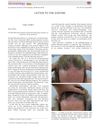
June 2018 in “Australasian Journal of Dermatology” Stopping sunscreen use on the forehead led to hair regrowth in a woman with frontal fibrosing alopecia.
 7 citations
,
January 2019 in “PeerJ”
7 citations
,
January 2019 in “PeerJ” A protein called sFRP4 can slow down hair regrowth.
23 citations
,
January 2016 in “Forensic Science International” Thermal hair straightening changes drug levels in hair, affecting test results.
 November 2023 in “Dermatologic therapy”
 The scalp serum reduced scalp discomfort and symptoms without affecting skin moisture loss.
 November 2022 in “The journal of investigative dermatology/Journal of investigative dermatology”
 Linalool in personal care products may contribute to hair loss by damaging hair follicle stem cells and triggering harmful immune responses.
January 2011 in “한국미용학회지” Fructus Ligustri Lucidi water extract may help hair growth by promoting cell survival.
Using enzymes to link proteins makes hair repair treatments more effective and long-lasting.
 24 citations
,
November 2007 in “Journal of Investigative Dermatology Symposium Proceedings”
24 citations
,
November 2007 in “Journal of Investigative Dermatology Symposium Proceedings” Hair and scalp disorders significantly affect self-esteem, and using cosmetic products like conditioners and styling aids can improve hair health and appearance.
 September 2019 in “Journal of Investigative Dermatology”
 Botanical extracts from peas and chia seeds improved scalp health and protected hair from pollution.
NaOH treatment improves hair strength and suitability for textiles.
 September 2017 in “Journal of Investigative Dermatology”
 Thermal imaging is a useful non-invasive method to diagnose active inflammation in frontal fibrosing alopecia.
 May 2015 in “Journal of the American Academy of Dermatology”
 Certain drugs and supplements may contribute to hair loss in the frontal hairline in older women.
1 citations
,
January 2013 in “PubMed” Permanent wave treatment with thioglycolic acid changes hair structure by altering disulfide bonds.
December 2018 in “International journal of women’s dermatology” FFA in young women is often missed, and no single treatment works best.