 3 citations
,
September 2016 in “Hair transplant forum international”
3 citations
,
September 2016 in “Hair transplant forum international” Southeast and East Asian men typically have straighter hairlines with less recession and lower hair density, which is important to consider in hair restoration surgery.
 5 citations
,
January 2021 in “Skin appendage disorders”
5 citations
,
January 2021 in “Skin appendage disorders” Smoking is linked to more hair loss and premature graying compared to nonsmokers.
 4 citations
,
August 2005 in “Archives of Dermatological Research”
4 citations
,
August 2005 in “Archives of Dermatological Research” Higher p63 and CD34 levels found in specific scalp areas may affect hair loss progression.
 3 citations
,
January 2020 in “Clinical dermatology review”
3 citations
,
January 2020 in “Clinical dermatology review” Trichoscopy is useful for diagnosing hair and scalp disorders in people with darker skin.
 139 citations
,
June 2003 in “Journal of Investigative Dermatology Symposium Proceedings”
139 citations
,
June 2003 in “Journal of Investigative Dermatology Symposium Proceedings” Androgenetic alopecia in women needs more research and better management strategies.
 60 citations
,
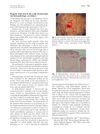
September 2010 in “Journal of the American Academy of Dermatology”
60 citations
,
September 2010 in “Journal of the American Academy of Dermatology” Small white dots on the scalp seen with a dermoscope correspond to sweat ducts and vary with different hair disorders.
 56 citations
,
January 2019 in “Skin appendage disorders”
56 citations
,
January 2019 in “Skin appendage disorders” The most common hair loss type at specialist clinics is androgenetic alopecia, especially in younger men, followed by alopecia areata and telogen effluvium, with differences seen across regions.
 20 citations
,
January 2017 in “Actas Dermo-Sifiliográficas”
20 citations
,
January 2017 in “Actas Dermo-Sifiliográficas” Recent advances in hair loss treatments show significant progress.
 19 citations
,
June 2002 in “American Journal of Dermatopathology”
19 citations
,
June 2002 in “American Journal of Dermatopathology” Apoptosis contributes to hair loss in androgenetic alopecia.
 18 citations
,
February 2014 in “PubMed”
18 citations
,
February 2014 in “PubMed” Androgenetic alopecia is a common hair loss condition caused by testosterone effects on hair follicles, leading to thinner, shorter, and less pigmented hair, diagnosed using scalp dermoscopy and treated with topical minoxidil, antiandrogen agents, and 5-alpha reductase inhibitors.
 17 citations
,
January 2020 in “Skin appendage disorders”
17 citations
,
January 2020 in “Skin appendage disorders” Certain diets may help with hair growth in people with different types of hair loss.
 16 citations
,
February 2010 in “Journal of the European Academy of Dermatology and Venereology”
16 citations
,
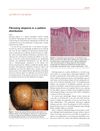
February 2010 in “Journal of the European Academy of Dermatology and Venereology” Fibrosing alopecia in a pattern distribution is a unique hair loss condition that may respond to antiandrogen therapy.
 12 citations
,
June 2020 in “Journal of The American Academy of Dermatology”
12 citations
,
June 2020 in “Journal of The American Academy of Dermatology” Platelet-rich plasma is tolerable for lichen planopilaris and doesn't worsen the condition, but its effectiveness is unclear.
 9 citations
,
January 2014 in “Medical Hypotheses”
9 citations
,
January 2014 in “Medical Hypotheses” Higher DHT in male baldness may protect against prostate cancer.
 9 citations
,
August 2013 in “Facial Plastic Surgery Clinics of North America”
9 citations
,
August 2013 in “Facial Plastic Surgery Clinics of North America” Recognize and treat hair loss conditions that mimic androgenetic alopecia by identifying warning signs and using proper tools.
 5 citations
,
September 2011 in “Pediatric Dermatology”
5 citations
,
September 2011 in “Pediatric Dermatology” Two young siblings experienced hair loss without hormone issues or other skin problems.
3 citations
,
November 2021 in “Clinical, Cosmetic and Investigational Dermatology” Autologous cellular micrografts improve hair density and thickness in the short term for androgenetic alopecia.
 3 citations
,
March 2018 in “BMC Cancer”
3 citations
,
March 2018 in “BMC Cancer” Baldness, especially at the front, may lower the risk of testicular cancer by 31%, but its link to prostate cancer is unclear.
 2 citations
,
January 2020 in “Journal of The European Academy of Dermatology and Venereology”
2 citations
,
January 2020 in “Journal of The European Academy of Dermatology and Venereology” Balding men have harder scalps.
 1 citations
,
July 2024 in “Skin Research and Technology”
1 citations
,
July 2024 in “Skin Research and Technology” Patients with androgenetic alopecia have thinner subcutaneous fat layers in their frontal scalp compared to healthy individuals.
 1 citations
,
September 2021 in “The Journal of Dermatology”
1 citations
,
September 2021 in “The Journal of Dermatology” Japanese cases of fibrosing alopecia show a unique age and hair loss pattern, possibly due to racial differences.
 1 citations
,
September 2020 in “Journal of Dermatological Science”
1 citations
,
September 2020 in “Journal of Dermatological Science” The gene LRRC15 is more active in balding areas of the scalp compared to non-balding areas.
 1 citations
,
July 2019 in “British Journal of Dermatology”
1 citations
,
July 2019 in “British Journal of Dermatology” Minoxidil was more effective than laser therapy for hair loss, and the report also highlighted the need for more research on PRP for a different hair loss condition, the impact of social media on alopecia views, and a warning on turmeric causing nail discoloration.
 1 citations
,
July 2018 in “Elsevier eBooks”
1 citations
,
July 2018 in “Elsevier eBooks” FAPD and possibly CCCA may be AGA subtypes, and treatments combining antiandrogens, hair growth agents, hair transplants, and anti-inflammatories could be effective.
 July 2026 in “Pakistan Armed Forces Medical Journal”
 Men with androgenic alopecia have lower hair density than those without.
 December 2025 in “Zenodo (CERN European Organization for Nuclear Research)”
 Hair loss is caused by mechanical, thermal, and metabolic factors, not just hormones.
May 2025 in “Actas Dermo-Sifiliográficas” Botulinum toxin is not effective for treating androgenetic alopecia.
 April 2025 in “Al-Azhar International Medical Journal /Al-Azhar International Medical Journal”
 Minoxidil is the most common treatment for male hair loss, but sildenafil shows promise as an alternative.
 October 2024 in “JAAD Case Reports”
 Dutasteride mesotherapy showed mixed results and is not recommended as a primary treatment for hair loss.
 June 2024 in “Skin Research and Technology”
 Botulinum toxin treatment improves hair follicle width and length in androgenetic alopecia.