 26 citations
,
August 2016 in “Actas Dermo-Sifiliográficas”
26 citations
,
August 2016 in “Actas Dermo-Sifiliográficas” Frontal Fibrosing Alopecia in men is often missed and can come with symptoms like facial bumps and hair loss on eyebrows and limbs.
 March 2022 in “Folia Medica Indonesiana”
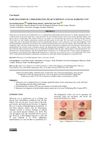
 The lump on a woman's scalp was a rare, potentially cancerous tumor from the hair follicle, not a common cyst.
 1 citations
,
February 2023 in “Journal of the American Board of Family Medicine”
1 citations
,
February 2023 in “Journal of the American Board of Family Medicine” Primary care should recognize and treat hair loss in hijab-wearing individuals with cultural sensitivity.
 126 citations
,
January 2009 in “International Journal of Trichology”
126 citations
,
January 2009 in “International Journal of Trichology” Oxidative stress contributes to hair graying and loss as we age.
 19 citations
,
January 2012 in “Dermato-endocrinology”
19 citations
,
January 2012 in “Dermato-endocrinology” Moderately high prolactin levels do not cause hair loss in women.
2 citations
,
December 2018 Alopecia frontal fibrosante affects facial vellus hair and can be diagnosed with dermatoscopy.
 February 2023 in “EAS Journal of Medicine and Surgery”
 Most Idoma people have a curved hairline due to genetics.
 2 citations
,
October 2015 in “Primary Care: Clinics in Office Practice”
2 citations
,
October 2015 in “Primary Care: Clinics in Office Practice” Doctors should diagnose hair loss by examining the patient and possibly doing tests, and then treat it based on the type, which may prevent permanent hair loss.
 March 2025 in “International Journal of Trichology”
 FAPD in children may not depend on androgens and should be treated with anti-inflammatory measures and minoxidil.
July 2019 in “Medical Science and Discovery” Early diagnosis and treatment can prevent or delay frontal fibrosing alopecia progression in postmenopausal women.
3 citations
,
January 2016 in “Dermatology online journal” Some people with lichen planus pigmentosus might later develop frontal fibrosing alopecia.

Frontal fibrosing alopecia in men is often misdiagnosed and needs better diagnostic criteria and treatments.
 42 citations
,
August 2013 in “International Journal of Women's Health”
42 citations
,
August 2013 in “International Journal of Women's Health” Female pattern hair loss is caused by multiple factors and while treatments like topical minoxidil, hormone therapy, and low-level light therapy can help, none can fully cure it.
 139 citations
,
June 2003 in “Journal of Investigative Dermatology Symposium Proceedings”
139 citations
,
June 2003 in “Journal of Investigative Dermatology Symposium Proceedings” Androgenetic alopecia in women needs more research and better management strategies.
 2 citations
,
July 2022 in “Frontiers in Medicine”
2 citations
,
July 2022 in “Frontiers in Medicine” The cause of Frontal fibrosing alopecia, a type of hair loss, is complex, likely involving immune responses and genetics, but is not fully understood.
 January 2025 in “Indian Journal of Dermatology”
 Frontal fibrosing alopecia is a challenging hair loss condition with no known cause or definitive treatment.
 March 2024 in “Journal of cosmetic dermatology”
 Isotretinoin can effectively reduce symptoms of frontal fibrosing alopecia.
14 citations
,
January 2014 in “Indian Journal of Dermatology Venereology and Leprology” Frontal fibrosing alopecia can affect men's beards and leads to permanent hair loss.
November 2022 in “Research Square (Research Square)” Topical minoxidil 5% is better for treating female pattern hair loss than topical sildenafil 1%.
 67 citations
,
September 1997 in “Dermatologic Surgery”
67 citations
,
September 1997 in “Dermatologic Surgery” The document concludes that good cosmetic outcomes in hair transplantation depend on the surgeon's artistic skill and careful planning.
 7 citations
,
October 2018 in “Journal of Craniofacial Surgery”
7 citations
,
October 2018 in “Journal of Craniofacial Surgery” About 21.3% of young, healthy Chinese men experience hair loss. Hairlines are mostly linear or have a central protrusion. Hair is densest on the top and back of the head, and hair follicles usually have 1 or 2 hairs. This information can help in designing hair restoration procedures.
 68 citations
,
May 2012 in “Annals of Oncology”
68 citations
,
May 2012 in “Annals of Oncology” Some breast cancer chemotherapy can cause permanent hair loss.
 33 citations
,
January 1991 in “The Journal of Dermatologic Surgery and Oncology”
33 citations
,
January 1991 in “The Journal of Dermatologic Surgery and Oncology” Incisional slit grafting for hair transplantation gives natural-looking results and has a high success rate.
July 2026 in “JAAD reviews.” Female Pattern Hair Loss affects women's quality of life, with limited treatment options and a need for more research.
 17 citations
,
January 2015 in “International Journal of Trichology”
17 citations
,
January 2015 in “International Journal of Trichology” Frontal fibrosing alopecia may affect nails and could be a type of lichen planus, treatable with certain medications.
12 citations
,
January 2016 in “Skin Appendage Disorders” Hydroxychloroquine is ineffective for treating frontal fibrosing alopecia with lupus erythematosus.
2 citations
,
January 2019 in “Skin appendage disorders” Early diagnosis and quick treatment improve life quality for FFA patients.
 September 2023 in “Clinical, Cosmetic and Investigational Dermatology”
 About one-third of Saudi women with female pattern hair loss also have thinning hair at the back of their head.
 March 2025 in “Journal of Craniofacial Surgery”
 Natural hairline asymmetry should be embraced for better-looking hair transplants.
 1 citations
,
October 2013 in “Expert Review of Dermatology”
1 citations
,
October 2013 in “Expert Review of Dermatology” Diagnosing alopecia areata is challenging and requires careful examination and various tests to distinguish it from other hair loss types.