 13 citations
,
February 2018 in “Dermatologic Therapy”
13 citations
,
February 2018 in “Dermatologic Therapy” Finasteride 2.5 mg/day can effectively treat female hair loss.
 December 2010 in “Dermatologic Surgery”
 Finasteride's effectiveness on the frontal hair loss area is not well-studied or confirmed.
 December 2010 in “Dermatologic Surgery”
 The letter discusses a disagreement about the definition of the "frontal area" in hair restoration surgery and questions the effectiveness of treatments like finasteride and minoxidil on this area.
 40 citations
,
October 2012 in “British Journal of Dermatology”
40 citations
,
October 2012 in “British Journal of Dermatology” Minoxidil helps regrow hair in female pattern hair loss, but more research needed for other treatments.
 8 citations
,
November 2018 in “Australasian Journal of Dermatology”
8 citations
,
November 2018 in “Australasian Journal of Dermatology” Frontal fibrosing alopecia in families shows similar signs to individual cases and may have a genetic link.
 5 citations
,
February 2017 in “Australasian Journal of Dermatology”
5 citations
,
February 2017 in “Australasian Journal of Dermatology” Scarring hair loss found in female pattern; biopsy needed for diagnosis.
 April 2019 in “Journal of emerging technologies and innovative research”
 Early treatment of Female Pattern Hair Loss is important to stop it from getting worse, and various treatments can help, especially in mild to moderate cases.
 155 citations
,
September 2008 in “British journal of dermatology/British journal of dermatology, Supplement”
155 citations
,
September 2008 in “British journal of dermatology/British journal of dermatology, Supplement” FFA is more common in postmenopausal women, can affect younger women, and may stabilize over time.
 126 citations
,
April 2006 in “International Journal of Dermatology”
126 citations
,
April 2006 in “International Journal of Dermatology” The conclusion is that FFA and LPP have similar scalp biopsy features, making them hard to distinguish histologically, and FFA may be a specific kind of scarring hair loss.
 116 citations
,
September 2001 in “Journal of The American Academy of Dermatology”
116 citations
,
September 2001 in “Journal of The American Academy of Dermatology” Hair loss occurs due to fewer papillary cells, smaller follicles, and shorter growth phases.
 100 citations
,
June 2006 in “British Journal of Dermatology”
100 citations
,
June 2006 in “British Journal of Dermatology” Hair loss severity relates to increased miniaturization in female pattern hair loss.
 98 citations
,
January 2013 in “Journal of The American Academy of Dermatology”
98 citations
,
January 2013 in “Journal of The American Academy of Dermatology” Dutasteride may help stabilize Frontal Fibrosing Alopecia, but more research is needed.
 64 citations
,
June 2010 in “Journal of The European Academy of Dermatology and Venereology”
64 citations
,
June 2010 in “Journal of The European Academy of Dermatology and Venereology” Finasteride improves hair density and thickness in women with hair loss.
 53 citations
,
May 2010 in “Dermatologic Surgery”
53 citations
,
May 2010 in “Dermatologic Surgery” Hair transplantation may not work for Frontal Fibrosing Alopecia as transplanted hair was lost when the disease came back.
 52 citations
,
May 2017 in “Journal of Cosmetic Dermatology”
52 citations
,
May 2017 in “Journal of Cosmetic Dermatology” PRP injections improve hair density and thickness in women with hair loss.
 47 citations
,
August 2011 in “Journal of The European Academy of Dermatology and Venereology”
47 citations
,
August 2011 in “Journal of The European Academy of Dermatology and Venereology” Laser treatment increases hair density and thickness safely in women with hair loss.
 43 citations
,
April 2017 in “Experimental Dermatology”
43 citations
,
April 2017 in “Experimental Dermatology” Female pattern hair loss has unclear causes, possibly involving genetics, hormones, and environment, and needs better treatments.
 40 citations
,
July 2008 in “Drug Discovery Today”
40 citations
,
July 2008 in “Drug Discovery Today” Current treatments for male pattern baldness include minoxidil and finasteride, with new options being developed.
 39 citations
,
July 2015 in “British Journal of Dermatology”
39 citations
,
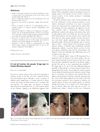
July 2015 in “British Journal of Dermatology” The pseudo 'fringe sign' can also appear in frontal fibrosing alopecia, not just in traction alopecia, showing that this condition may be more common than thought.
 36 citations
,
September 2018 in “American Journal of Clinical Dermatology”
36 citations
,
September 2018 in “American Journal of Clinical Dermatology” Combination of 0.25% finasteride and 3% minoxidil works better than just 3% minoxidil for increasing hair thickness in women.
 35 citations
,
May 2012 in “Cochrane Database of Systematic Reviews”
35 citations
,
May 2012 in “Cochrane Database of Systematic Reviews” Minoxidil effectively treats female pattern hair loss.
 34 citations
,
May 2017 in “Lasers in Surgery and Medicine”
34 citations
,
May 2017 in “Lasers in Surgery and Medicine” Combining low-level light therapy and minoxidil 5% is more effective for female hair loss than using either treatment alone.
 33 citations
,
January 2010 in “Case reports in dermatology”
33 citations
,
January 2010 in “Case reports in dermatology” Dermoscopy helps diagnose frontal fibrosing alopecia by distinguishing it from other hair loss conditions.
 32 citations
,
March 2020 in “Drug Design Development and Therapy”
32 citations
,
March 2020 in “Drug Design Development and Therapy” Finasteride shows promise for female hair loss, but more research needed.
 31 citations
,
October 2005 in “British Journal of Dermatology”
31 citations
,
October 2005 in “British Journal of Dermatology” Hair loss in women not always linked to increased oil production; other factors may be involved.
 30 citations
,
December 2017 in “Journal of The American Academy of Dermatology”
30 citations
,
December 2017 in “Journal of The American Academy of Dermatology” New criteria for diagnosing frontal fibrosing alopecia include specific scalp and eyebrow hair loss as major factors and other hair loss areas and hair analysis as minor factors.
 25 citations
,
June 2018 in “Clinical and Experimental Dermatology”
25 citations
,
June 2018 in “Clinical and Experimental Dermatology” Combined microneedling and minoxidil improves hair growth more than minoxidil alone.
 21 citations
,
April 2016 in “International Journal of Dermatology”
21 citations
,
April 2016 in “International Journal of Dermatology” Metabolic syndrome linked to female hair loss; waist size and high blood pressure important factors.
 21 citations
,
January 2007 in “Australasian Journal of Dermatology”
21 citations
,
January 2007 in “Australasian Journal of Dermatology” Spironolactone and minoxidil together effectively treat female pattern hair loss.
 16 citations
,
January 2017 in “Anais brasileiros de dermatologia/Anais Brasileiros de Dermatologia”
16 citations
,
January 2017 in “Anais brasileiros de dermatologia/Anais Brasileiros de Dermatologia” Managing frontal fibrosing alopecia and lichen planus pigmentosus is challenging due to resistant hair loss and skin discoloration.