 158 citations
,
February 2000 in “Archives of dermatology”
158 citations
,
February 2000 in “Archives of dermatology” Some people with pattern hair loss may also have scalp inflammation and scarring similar to lichen planopilaris.
 115 citations
,
March 2019 in “Nature Communications”
115 citations
,
March 2019 in “Nature Communications” Frontal fibrosing alopecia is linked to four genetic areas, especially the HLA-B*07:02 allele.
 102 citations
,
April 2014 in “International Journal of Dermatology”
102 citations
,
April 2014 in “International Journal of Dermatology” The treatment helped reduce symptoms and stabilize the hairline in most patients with Frontal Fibrosing Alopecia, but hair regrowth was limited.
 89 citations
,
February 2002 in “Australasian journal of dermatology”
89 citations
,
February 2002 in “Australasian journal of dermatology” A premenopausal woman had hair loss and skin issues, treated with topical steroids.
 86 citations
,
July 2012 in “British journal of dermatology/British journal of dermatology, Supplement”
86 citations
,
July 2012 in “British journal of dermatology/British journal of dermatology, Supplement” There may be a connection between Frontal Fibrosing Alopecia and Lichen Planus Pigmentosus, and more research is needed to confirm this.
 72 citations
,
October 2010 in “Journal of The American Academy of Dermatology”
72 citations
,
October 2010 in “Journal of The American Academy of Dermatology” Iron deficiency common in women, not always linked to hair loss; more research needed.
 69 citations
,
August 2008 in “Journal of The European Academy of Dermatology and Venereology”
69 citations
,
August 2008 in “Journal of The European Academy of Dermatology and Venereology” Oral dutasteride and topical pimecrolimus can safely and effectively treat Frontal Fibrosing Alopecia, leading to significant hair regrowth.
 64 citations
,
June 2009 in “Journal of The American Academy of Dermatology”
64 citations
,
June 2009 in “Journal of The American Academy of Dermatology” Oral dutasteride can potentially treat frontal fibrosing alopecia in postmenopausal women, with some patients showing disease arrest and hair regrowth.
 59 citations
,
August 1998 in “International Journal of Dermatology”
59 citations
,
August 1998 in “International Journal of Dermatology” Genetics and hormones cause hair loss; finasteride treats it safely.
 57 citations
,
January 2003 in “Clinical and experimental dermatology”
57 citations
,
January 2003 in “Clinical and experimental dermatology” Postmenopausal frontal fibrosing alopecia is a type of hair loss in postmenopausal women that may stop on its own but has no effective treatment.
 54 citations
,
December 2014 in “Wound Repair and Regeneration”
54 citations
,
December 2014 in “Wound Repair and Regeneration” PRP injections may improve hair thickness and density in female hair loss patients.
 50 citations
,
December 2010 in “Dermatologic Surgery”
50 citations
,
December 2010 in “Dermatologic Surgery” Laser treatment can stimulate hair growth for male pattern hair loss.
 49 citations
,
January 2003 in “Clinical and Experimental Dermatology”
49 citations
,
January 2003 in “Clinical and Experimental Dermatology” The document concludes that post-menopausal frontal fibrosing alopecia is a poorly understood condition that does not respond well to common treatments.
 47 citations
,
January 2001 in “Journal of Investigative Dermatology”
47 citations
,
January 2001 in “Journal of Investigative Dermatology” High testosterone to epitestosterone ratio in hair could predict male-pattern baldness.
 46 citations
,
October 1999 in “Journal of The American Academy of Dermatology”
46 citations
,
October 1999 in “Journal of The American Academy of Dermatology” Finasteride effectively treats male pattern hair loss with a 1 mg daily dose.
 41 citations
,
July 2017 in “Journal of The American Academy of Dermatology”
41 citations
,
July 2017 in “Journal of The American Academy of Dermatology” Men with Frontal fibrosing alopecia typically lose hair on the front scalp and sometimes on sideburns and upper lip, with treatments showing varied success.
 37 citations
,
April 2019 in “Journal of The American Academy of Dermatology”
37 citations
,
April 2019 in “Journal of The American Academy of Dermatology” Some treatments like intralesional steroids and 5α-reductase inhibitors are effective for frontal fibrosing alopecia, but more research is needed.
 36 citations
,
December 2017 in “Journal of the American Academy of Dermatology”
36 citations
,
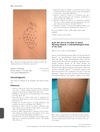
December 2017 in “Journal of the American Academy of Dermatology” Most patients with frontal fibrosing alopecia stabilized with treatment, especially younger ones, using intralesional corticosteroids and tacrolimus.
 31 citations
,
April 2010 in “British journal of dermatology/British journal of dermatology, Supplement”
31 citations
,
April 2010 in “British journal of dermatology/British journal of dermatology, Supplement” Frontal fibrosing alopecia can cause sudden hair loss on limbs, similar to scalp hair loss.
 30 citations
,
January 2020 in “Journal of The American Academy of Dermatology”
30 citations
,
January 2020 in “Journal of The American Academy of Dermatology” Fibrosing alopecia in a pattern distribution is a hair loss condition often confused with other types, requiring early treatment but usually not resulting in significant hair regrowth.
 29 citations
,
July 2010 in “Journal of Cutaneous Medicine and Surgery”
29 citations
,
July 2010 in “Journal of Cutaneous Medicine and Surgery” Treatments for Frontal Fibrosing Alopecia have not been proven effective.
 29 citations
,
February 2016 in “Scandinavian journal of urology”
29 citations
,
February 2016 in “Scandinavian journal of urology” Late puberty may slightly lower prostate cancer risk, baldness is not linked to overall risk but less so with aggressive types, ibuprofen use may increase risk, and vitamins show no effect on risk.
 27 citations
,
December 2005 in “Journal of Cosmetic Dermatology”
27 citations
,
December 2005 in “Journal of Cosmetic Dermatology” Niacin derivatives may increase hair fullness in women with hair loss.
 26 citations
,
August 2016 in “Actas Dermo-Sifiliográficas”
26 citations
,
August 2016 in “Actas Dermo-Sifiliográficas” Frontal Fibrosing Alopecia in men is often missed and can come with symptoms like facial bumps and hair loss on eyebrows and limbs.
 26 citations
,
December 2015 in “Journal of The European Academy of Dermatology and Venereology”
26 citations
,
December 2015 in “Journal of The European Academy of Dermatology and Venereology” New method measures female hair loss: Female Pattern Hair Loss Severity Index (FPHL-SI).
 21 citations
,
November 2017 in “Archives of Dermatological Research”
21 citations
,
November 2017 in “Archives of Dermatological Research” Higher enzyme levels found in women with hair loss, suggesting hormone imbalance.
 19 citations
,
February 2016 in “Journal of The American Academy of Dermatology”
19 citations
,
February 2016 in “Journal of The American Academy of Dermatology” CD3+ T-cell presence is a reliable marker to tell apart alopecia areata from pattern hair loss.
 18 citations
,
August 2019 in “Journal of Cosmetic Dermatology”
18 citations
,
August 2019 in “Journal of Cosmetic Dermatology” PRP therapy may increase hair density in pattern hair loss without serious side effects, but more research is needed.
 17 citations
,
November 2018 in “Dermatology”
17 citations
,
November 2018 in “Dermatology” Most patients with frontal fibrosing alopecia had facial bumps, with Hispanic/Latino and premenopausal women being more affected, suggesting a more severe condition.
 17 citations
,
October 2017 in “Journal of Cutaneous Medicine and Surgery”
17 citations
,
October 2017 in “Journal of Cutaneous Medicine and Surgery” No treatment has been proven to effectively stop hair loss or regrow hair in Frontal Fibrosing Alopecia, and more research is needed.