 102 citations
,
April 2014 in “International Journal of Dermatology”
102 citations
,
April 2014 in “International Journal of Dermatology” The treatment helped reduce symptoms and stabilize the hairline in most patients with Frontal Fibrosing Alopecia, but hair regrowth was limited.
 98 citations
,
January 2013 in “Journal of The American Academy of Dermatology”
98 citations
,
January 2013 in “Journal of The American Academy of Dermatology” Dutasteride may help stabilize Frontal Fibrosing Alopecia, but more research is needed.
 80 citations
,
April 2018 in “Trends in Molecular Medicine”
80 citations
,
April 2018 in “Trends in Molecular Medicine” Lichen Planopilaris and Frontal Fibrosing Alopecia may help us understand hair follicle stem cell disorders and suggest new treatments.
 69 citations
,
August 2008 in “Journal of The European Academy of Dermatology and Venereology”
69 citations
,
August 2008 in “Journal of The European Academy of Dermatology and Venereology” Oral dutasteride and topical pimecrolimus can safely and effectively treat Frontal Fibrosing Alopecia, leading to significant hair regrowth.
 68 citations
,
May 2016 in “Experimental dermatology”
68 citations
,
May 2016 in “Experimental dermatology” FFA's causes may include environmental triggers and genetic factors.
 61 citations
,
January 2019 in “American Journal of Clinical Dermatology”
61 citations
,
January 2019 in “American Journal of Clinical Dermatology” The cause of Frontal Fibrosing Alopecia is unclear, diagnosis involves clinical evaluation and various treatments exist, but their effectiveness is uncertain.
 53 citations
,
May 2010 in “Dermatologic Surgery”
53 citations
,
May 2010 in “Dermatologic Surgery” Hair transplantation may not work for Frontal Fibrosing Alopecia as transplanted hair was lost when the disease came back.
 33 citations
,
January 2015 in “Journal of Cosmetic Dermatology”
33 citations
,
January 2015 in “Journal of Cosmetic Dermatology” Familial frontal fibrosing alopecia affects premenopausal women too, and early diagnosis is important, but no proven medication exists yet.
 32 citations
,
September 2017 in “Journal of the American Academy of Dermatology”
32 citations
,
September 2017 in “Journal of the American Academy of Dermatology” Oral isotretinoin effectively treats yellow facial papules in frontal fibrosing alopecia patients.
 29 citations
,
July 2010 in “Journal of Cutaneous Medicine and Surgery”
29 citations
,
July 2010 in “Journal of Cutaneous Medicine and Surgery” Treatments for Frontal Fibrosing Alopecia have not been proven effective.
 23 citations
,
April 2021 in “Journal of Clinical Medicine”
23 citations
,
April 2021 in “Journal of Clinical Medicine” Frontal Fibrosing Alopecia's cause is unclear, affects mainly postmenopausal women, and current treatments focus on stopping hair loss rather than regrowth.
 23 citations
,
November 2018 in “Journal of the European Academy of Dermatology and Venereology”
23 citations
,
November 2018 in “Journal of the European Academy of Dermatology and Venereology” The study concluded that severity of Frontal fibrosing alopecia is not linked to how long someone has it, can start before menopause, and eyebrow loss may be an early sign.
 23 citations
,
October 2018 in “Australasian Journal of Dermatology”
23 citations
,
October 2018 in “Australasian Journal of Dermatology” The current understanding of frontal fibrosing alopecia involves immune, genetic, hormonal factors, and possibly environmental triggers, but more research is needed for effective treatments.
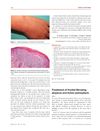 20 citations
,
January 2014 in “Journal of the European Academy of Dermatology and Venereology”
20 citations
,
January 2014 in “Journal of the European Academy of Dermatology and Venereology” The critique highlights an error in a review about hair loss treatment, stressing the need for accurate information and caution due to poor evidence quality.
 17 citations
,
October 2017 in “Journal of Cutaneous Medicine and Surgery”
17 citations
,
October 2017 in “Journal of Cutaneous Medicine and Surgery” No treatment has been proven to effectively stop hair loss or regrow hair in Frontal Fibrosing Alopecia, and more research is needed.
 14 citations
,
June 2021 in “British journal of dermatology/British journal of dermatology, Supplement”
14 citations
,
June 2021 in “British journal of dermatology/British journal of dermatology, Supplement” Experts agreed on guidelines to improve research on Frontal Fibrosing Alopecia.
 12 citations
,
January 2017 in “Skin appendage disorders”
12 citations
,
January 2017 in “Skin appendage disorders” Two patients with skin lupus were mistakenly thought to have a different scalp condition but improved with lupus treatment.
 12 citations
,
October 2016 in “Anais Brasileiros de Dermatologia”
12 citations
,
October 2016 in “Anais Brasileiros de Dermatologia” Frontal Fibrosing Alopecia may be linked to autoimmune diseases like Sjögren's syndrome.
 12 citations
,
January 2015 in “Indian Journal of Dermatology, Venereology and Leprology”
12 citations
,
January 2015 in “Indian Journal of Dermatology, Venereology and Leprology” A mother and daughter with similar hair loss conditions and identical HLA types suggest a genetic link between the conditions.
 11 citations
,
May 2023 in “Journal of Cutaneous Medicine and Surgery”
11 citations
,
May 2023 in “Journal of Cutaneous Medicine and Surgery” Plasma Rich in Growth Factors may help reduce hair loss in Frontal Fibrosing Alopecia.
 10 citations
,
January 2013 in “International Journal of Trichology”
10 citations
,
January 2013 in “International Journal of Trichology” More vellus hairs in frontal scalp indicate early female pattern hair loss.
 9 citations
,
July 2020 in “Journal of Dermatology”
9 citations
,
July 2020 in “Journal of Dermatology” Asian patients with Frontal Fibrosing Alopecia often lose eyebrow hair and respond well to combined antiandrogen or antimalarial and topical treatments.
 9 citations
,
December 1984 in “The Journal of Dermatologic Surgery and Oncology”
9 citations
,
December 1984 in “The Journal of Dermatologic Surgery and Oncology” Layered suture closure for hair transplant donor sites results in smaller scars and easier future harvesting but takes more time and may temporarily increase hair shedding.
 8 citations
,
October 2019 in “International Journal of Dermatology”
8 citations
,
October 2019 in “International Journal of Dermatology” The study concluded that combination therapy with topical corticosteroids and hydroxychloroquine or finasteride is effective in treating Frontal fibrosing alopecia in Asians.
 8 citations
,
November 2018 in “Australasian Journal of Dermatology”
8 citations
,
November 2018 in “Australasian Journal of Dermatology” Frontal fibrosing alopecia in families shows similar signs to individual cases and may have a genetic link.
 8 citations
,
September 2011 in “European Journal of Dermatology”
8 citations
,
September 2011 in “European Journal of Dermatology” Most treatments for Frontal Fibrosing Alopecia are ineffective, but early anti-inflammatory therapy may help and the condition may stabilize over time.
 7 citations
,
January 2019 in “Australasian Journal of Dermatology”
7 citations
,
January 2019 in “Australasian Journal of Dermatology” A genetic marker linked to a type of hair loss was found in most patients studied.
 6 citations
,
January 2019 in “Medical Hypotheses”
6 citations
,
January 2019 in “Medical Hypotheses” Frontal Fibrosing Alopecia might be an autoimmune disease.
 4 citations
,
May 2021 in “Biomedicines”
4 citations
,
May 2021 in “Biomedicines” Targeting the protein Caveolin-1 might help treat a type of scarring hair loss called Frontal Fibrosing Alopecia.
 3 citations
,
November 2020 in “Clinical, Cosmetic and Investigational Dermatology”
3 citations
,
November 2020 in “Clinical, Cosmetic and Investigational Dermatology” Early diagnosis and combination therapy, especially with finasteride and dutasteride, are key to managing Frontal Fibrosing Alopecia effectively.