4 citations
,
December 2010 in “Journal of the American Geriatrics Society” Thalamic stroke can cause delirium without other symptoms, especially in older adults.
13 citations
,
February 2013 in “BMJ Case Reports” Stopping finasteride improved seizure control, suggesting neurosteroids affect seizures and treatment.
 2 citations
,
April 2017 in “Actas Dermo-Sifiliográficas”
2 citations
,
April 2017 in “Actas Dermo-Sifiliográficas” Best treatment for Frontal Fibrosing Alopecia is 5-alpha-reductase inhibitors and intralesional corticosteroids.
May 2022 in “The FASEB Journal” Finasteride may help treat Neutrophil Actin Dysfunction by reducing LSP1 gene activity.
 July 2021 in “British Journal of Dermatology”
 A woman with systemic sclerosis developed a unique scarring hair loss combining features of systemic sclerosis and frontal fibrosing alopecia.
 1 citations
,
August 2022 in “Biomedicines”
1 citations
,
August 2022 in “Biomedicines” Dutasteride, usually used for prostate issues and hair loss, could potentially treat Amyotrophic Lateral Sclerosis (ALS) due to its neuroprotective, antioxidant, and anti-inflammatory properties, but more testing is needed.
 January 2022 in “Дерматологія та венерологія”
 Frontal fibrosing alopecia causes hair loss along the frontal hairline, mainly in postmenopausal women, and needs better treatments.
April 2024 in “Journal of clinical medicine” Effective treatment guidelines for frontal fibrosing alopecia are still unclear.
 11 citations
,
August 2015 in “PLOS ONE”
11 citations
,
August 2015 in “PLOS ONE” Finasteride affects brain stress and enzyme activity differently in various regions, possibly helping with liver-related brain issues.
July 2013 in “Neurosurgery” Spinal fMRI can help understand brainstem and spinal cord function, especially in spinal cord injury patients.
 14 citations
,
June 2021 in “British journal of dermatology/British journal of dermatology, Supplement”
14 citations
,
June 2021 in “British journal of dermatology/British journal of dermatology, Supplement” Experts agreed on guidelines to improve research on Frontal Fibrosing Alopecia.
 23 citations
,
November 2018 in “Journal of the European Academy of Dermatology and Venereology”
23 citations
,
November 2018 in “Journal of the European Academy of Dermatology and Venereology” The study concluded that severity of Frontal fibrosing alopecia is not linked to how long someone has it, can start before menopause, and eyebrow loss may be an early sign.
Low-level laser therapy reduces symptoms and inflammation in frontal fibrosing alopecia.
 17 citations
,
October 2017 in “Journal of Cutaneous Medicine and Surgery”
17 citations
,
October 2017 in “Journal of Cutaneous Medicine and Surgery” No treatment has been proven to effectively stop hair loss or regrow hair in Frontal Fibrosing Alopecia, and more research is needed.
 October 2004 in “European Neuropsychopharmacology”
 Impulsiveness is common across various psychiatric disorders and linked to many psychological symptoms.
186 citations
,
February 2015 in “Frontiers in Neuroscience” Testosterone affects brain behavior in complex and varied ways.
1 citations
,
August 2024 in “Anais Brasileiros de Dermatologia” Recognizing skin symptoms helps diagnose and treat frontal fibrosing alopecia.
 15 citations
,
January 2017 in “Experimental Neurology”
15 citations
,
January 2017 in “Experimental Neurology” Finasteride reduces movement issues in Parkinson's disease rats.
 January 2026 in “Frontiers in Cellular Neuroscience”
 Neurosteroids like neuro-estrogen and neuro-androgen are crucial for brain function and can improve cognition and protect against aging-related decline.
 February 2024 in “Skin research and technology”
 The research suggests that immune cells and a specific type of cell death called ferroptosis are involved in Frontal fibrosis alopecia.
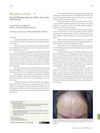 May 2019 in “Anais brasileiros de dermatologia/Anais Brasileiros de Dermatologia”
 Frontal fibrosing alopecia mostly affects postmenopausal women, with diagnosis often delayed by 3 years.
49 citations
,
September 2015 in “Psychoneuroendocrinology” 5α-reductase affects dopamine receptors linked to sensorimotor gating, which may help understand disorders like schizophrenia.
 7 citations
,
June 2011 in “Movement Disorders”
7 citations
,
June 2011 in “Movement Disorders” A specific gene mutation is linked to a hereditary form of dystonia that responds well to certain medications.
7 citations
,
January 2019 in “Dermatology Online Journal” Ustekinumab treatment didn't prevent frontal fibrosing alopecia.
 March 2018 in “Dermatología Argentina”
 The study found that the average age of women diagnosed with Frontal Fibrosing Alopecia in Argentina is higher than in other countries, but their symptoms are similar.
 42 citations
,
December 2007 in “American Journal of Psychiatry”
42 citations
,
December 2007 in “American Journal of Psychiatry” Finasteride may effectively reduce Tourette's syndrome symptoms and improve life quality.
10 citations
,
February 2017 in “European journal of neuroscience/EJN. European journal of neuroscience” The availability of certain hormones and specific stimulation patterns affect long-term synaptic changes in the male rat brain.
August 2018 in “Journal of the American Academy of Dermatology”  3 citations
,
February 2022 in “Cureus”
3 citations
,
February 2022 in “Cureus” Frontal fibrosing alopecia can sometimes look like syphilitic hair loss.
 26 citations
,
September 2018 in “Neurobiology of Disease”
26 citations
,
September 2018 in “Neurobiology of Disease” Finasteride and dutasteride reduce unwanted movements from Parkinson's disease treatment by normalizing certain brain signals.