 3 citations
,
April 2015 in “Dermatology practical & conceptual”
3 citations
,
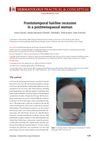
April 2015 in “Dermatology practical & conceptual” Postmenopausal women can experience hairline recession, affecting their quality of life, and more research is needed for treatments.
November 2023 in “Neurosurgical Review” The incision along the superior temporal line is safe and looks good for bald male patients.
 5 citations
,
March 2018 in “Dermatologic Surgery”
5 citations
,
March 2018 in “Dermatologic Surgery” The study found that most donor sites are good for hairline restoration in Southeast Asian women, but hair characteristics should match for a natural look, and aging can reduce hair density and diameter.
 November 2002 in “Dermatologic Surgery”
 Scalp reduction gives the most natural result for significant crown baldness, despite potential complications, and a systematic approach to surgical hair restoration results in few complications and high graft survival.
 July 2016 in “Journal of Cutaneous Medicine and Surgery”
 Receding hairlines in men are uneven, with the right side larger than the left.
 September 2017 in “Springer eBooks”
 Older East and Southeast Asian men need less hair density for hair restoration satisfaction, and natural hairline features should guide surgery plans.
 18 citations
,
November 2012 in “Australasian Journal of Dermatology”
18 citations
,
November 2012 in “Australasian Journal of Dermatology” A 66-year-old man with a rare case of male frontal fibrosing alopecia did not regrow hair despite treatment.
 19 citations
,
January 2015 in “Skin Pharmacology and Physiology”
19 citations
,
January 2015 in “Skin Pharmacology and Physiology” Minoxidil foam effectively promotes hair growth and reduces hair loss in men.
 339 citations
,
February 2014 in “Journal of The American Academy of Dermatology”
339 citations
,
February 2014 in “Journal of The American Academy of Dermatology” Most patients with frontal fibrosing alopecia are postmenopausal women, and treatments like finasteride and dutasteride can improve or stabilize the condition.
 155 citations
,
September 2008 in “British journal of dermatology/British journal of dermatology, Supplement”
155 citations
,
September 2008 in “British journal of dermatology/British journal of dermatology, Supplement” FFA is more common in postmenopausal women, can affect younger women, and may stabilize over time.
 12 citations
,
March 2018 in “Anais brasileiros de dermatologia/Anais Brasileiros de Dermatologia”
12 citations
,
March 2018 in “Anais brasileiros de dermatologia/Anais Brasileiros de Dermatologia” A patient had both chronic cutaneous lupus erythematosus and frontal fibrosing alopecia.
 11 citations
,
April 2020 in “Journal of Dermatological Treatment”
11 citations
,
April 2020 in “Journal of Dermatological Treatment” Taking oral isotretinoin with creams worked better for treating a type of hair loss than creams alone.
11 citations
,
January 2020 in “Journal of Drugs in Dermatology” Intralesional triamcinolone acetonide is effective and safe for treating early to mid-stage traction alopecia.
 9 citations
,
January 2020 in “Postepy Dermatologii I Alergologii”
9 citations
,
January 2020 in “Postepy Dermatologii I Alergologii” Frontal fibrosing alopecia is a poorly understood condition with increasing cases and unclear treatment effectiveness.
 8 citations
,
October 2019 in “International Journal of Dermatology”
8 citations
,
October 2019 in “International Journal of Dermatology” The study concluded that combination therapy with topical corticosteroids and hydroxychloroquine or finasteride is effective in treating Frontal fibrosing alopecia in Asians.
 6 citations
,
January 2017 in “British Journal of Dermatology”
6 citations
,
January 2017 in “British Journal of Dermatology” Frontal fibrosing alopecia is a scarring hair loss condition mainly affecting older women, with no known cause and treatments that may help stabilize hair loss.
2 citations
,
June 2021 in “Sultan Qaboos University medical journal” Familial frontal fibrosing alopecia is rare, mostly affects women, and often occurs between sisters or mother-daughter pairs.
February 2025 in “Actas Dermo-Sifiliográficas” Low-dose oral minoxidil can help improve hair and eyebrow growth in people with frontal fibrosing alopecia.
 September 2019 in “Actas dermo-sifiliográficas/Actas dermo-sifiliográficas”
 Isotretinoin at low doses effectively treats facial papules in frontal fibrosing alopecia.
 December 2024 in “Brazilian Journal of Health Review”
 Early diagnosis of alopecia frontal fibrosante is crucial, but treatment remains controversial and varies.
 May 2024 in “International Seven Journal of Multidisciplinary”
 More research is needed to better understand and treat Fibrosing Frontal Alopecia.
 April 2023 in “World Journal Of Advanced Research and Reviews”
 Cosmetic products or emotional factors might contribute to Frontal Fibrosing Alopecia, and trichoscopy is useful for diagnosis.
April 2021 in “Aktuelle Dermatologie” Frontal Fibrosing Alopecia is a type of hair loss that mainly affects postmenopausal women, has unclear causes, and lacks evidence-based treatments.
 October 2020 in “International Journal of Research in Dermatology”
 The review suggests more research is needed to understand Frontal fibrosing alopecia, a condition causing hairline recession in postmenopausal women.
August 2019 in “Journal of the American Academy of Dermatology” Frontal fibrosing alopecia may be caused by an autoimmune reaction and hormonal imbalance.
Early diagnosis and treatment of frontal fibrosing alopecia are crucial to prevent permanent hair loss.
 January 2016 in “Journal of The American Academy of Dermatology”
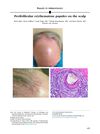
 The woman has a type of scarring hair loss with red bumps around hair follicles.
 8 citations
,
April 2001 in “Dermatologic Surgery”
8 citations
,
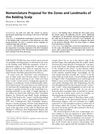
April 2001 in “Dermatologic Surgery” Michael L. Beehner proposed a standardized way to describe balding areas on the scalp to help hair restoration experts communicate better.
 June 2020 in “Journal of cosmetic medicine”
 A good hair transplant is judged by various factors including cosmetic appearance, hair angles, complication signs, and donor scar consideration.
 June 2021 in “Pakistan Journal of Medical and Health Sciences”
 The study found no link between hair loss, stress, and smoking among men in Lahore.