 6 citations
,
January 2017 in “Annals of Dermatology”
6 citations
,
January 2017 in “Annals of Dermatology” Combination of 17α-estradiol and minoxidil improves hair growth and reduces hair loss in most patients.
 6 citations
,
September 2014 in “Australasian Journal of Dermatology”
6 citations
,
September 2014 in “Australasian Journal of Dermatology” Asylum seekers arriving by boat may face skin problems due to harsh conditions, and doctors should use a thorough skin assessment approach to diagnose and treat them effectively.
 2 citations
,
June 2019 in “International Journal of Dermatology”
2 citations
,
June 2019 in “International Journal of Dermatology” The modified hair loss classification is more detailed but less user-friendly.
 2 citations
,
December 2018 in “International Journal of Dermatology”
2 citations
,
December 2018 in “International Journal of Dermatology” New grading scale accurately measures hair loss severity and treatment effectiveness.
 2 citations
,
June 2017 in “Journal of The American Academy of Dermatology”
2 citations
,
June 2017 in “Journal of The American Academy of Dermatology” The type of PCOS a woman has doesn't strongly predict her skin or metabolic symptoms; obesity is a more important factor.
 2 citations
,
January 2017 in “Przegla̧d dermatologiczny”
2 citations
,
January 2017 in “Przegla̧d dermatologiczny” Two trichoscopic patterns found in hair loss: diffuse fibrotic and androgenetic alopecia, affecting treatment choice and regrowth chances.
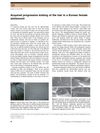 1 citations
,
October 2012 in “The Journal of Dermatology”
1 citations
,
October 2012 in “The Journal of Dermatology” A Korean girl developed kinky hair without known cause or effective treatment.
 June 2026 in “Revista Brasileira de Saúde”
 Exosomes could help treat hair loss, but more research and standardization are needed.
 December 2020 in “Skin appendage disorders”
 A young man with an unusual type of scarring hair loss suggests a possible new variant of a known scalp condition.
 July 2018 in “Elsevier eBooks”
 Stopping tight hairstyles can prevent and reduce traction alopecia.
 September 2017 in “Springer eBooks”
 Older East and Southeast Asian men need less hair density for hair restoration satisfaction, and natural hairline features should guide surgery plans.
 April 2016 in “Plastic and reconstructive surgery. Global open”
 Tafluprost could be a potential treatment for hair loss by promoting hair growth phase changes.
 April 2016 in “Plastic and reconstructive surgery. Global open”
 Surgery may help infants with sagittal craniosynostosis develop more typical language processing.
 November 2020 in “Postepy Dermatologii I Alergologii”
 Sulfotransferase SULT1A1 activity may predict minoxidil treatment success for hair loss.
 63 citations
,
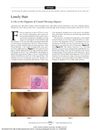
October 2011 in “Archives of Dermatology”
63 citations
,
October 2011 in “Archives of Dermatology” Isolated long hairs at the original hairline can help diagnose Frontal Fibrosing Alopecia.
191 citations
,
December 2013 in “Plastic & Reconstructive Surgery” Surgical deactivation can significantly reduce or eliminate migraine symptoms.
 6 citations
,
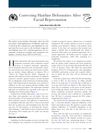
July 2007 in “Aesthetic Surgery Journal”
6 citations
,
July 2007 in “Aesthetic Surgery Journal” The document concludes that using autologous follicular unit implantation is a successful method to correct hairline deformities after facial rejuvenation.
4 citations
,
November 2023 in “Journal of Cosmetic Dermatology” Negative pressure fractional microneedle radiofrequency effectively and safely reduces periorbital aging signs.
 9 citations
,
August 2018 in “Journal der Deutschen Dermatologischen Gesellschaft”
9 citations
,
August 2018 in “Journal der Deutschen Dermatologischen Gesellschaft” Most patients with frontal fibrosing alopecia are middle-aged women, often have thyroid disease, and some treatments can help stabilize the condition.
 10 citations
,
May 2014 in “Facial Plastic Surgery”
10 citations
,
May 2014 in “Facial Plastic Surgery” Hair transplantation using PLFUT is effective for eyebrow restoration with natural-looking results and no scarring.
 7 citations
,
September 2020 in “Journal of The American Academy of Dermatology”
7 citations
,
September 2020 in “Journal of The American Academy of Dermatology” Low-dose oral minoxidil for hair loss can cause mild excessive hair growth, usually appearing within the first 3 months, but it can be managed by adjusting the dose or removing the unwanted hair, with most people not needing to stop the treatment.
6 citations
,
August 2005 in “Facial Plastic Surgery Clinics of North America” Specific techniques can make facelift results look more natural.
 July 2024 in “Iranian journal of pathology”
 Frontal fibrosing alopecia mainly affects women over 50, causing hair loss and specific skin changes.
January 2016 in “Indian dermatology online journal” Frontal fibrosing alopecia causes hair loss at the front hairline, and no effective treatment exists.
4 citations
,
February 2018 in “Facial Plastic Surgery” A minimally invasive brow lift can effectively manage heavy brows for a natural look.
 1 citations
,
April 2017 in “Journal of Investigative Dermatology”
1 citations
,
April 2017 in “Journal of Investigative Dermatology” D-OCT shows increased blood vessel growth in response to tissue damage in Frontal Fibrosing Alopecia and is useful for diagnosis and monitoring.
 3 citations
,
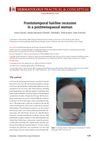
April 2015 in “Dermatology practical & conceptual”
3 citations
,
April 2015 in “Dermatology practical & conceptual” Postmenopausal women can experience hairline recession, affecting their quality of life, and more research is needed for treatments.
 February 2011 in “Journal of the American Academy of Dermatology”
 A 60-year-old man with a long-term balding condition also developed a rare hair loss condition usually seen in postmenopausal women.
 October 2021 in “Journal of Investigative Dermatology”
 Skin cell strength decreases significantly as we age.
 23 citations
,
November 2018 in “Journal of the European Academy of Dermatology and Venereology”
23 citations
,
November 2018 in “Journal of the European Academy of Dermatology and Venereology” The study concluded that severity of Frontal fibrosing alopecia is not linked to how long someone has it, can start before menopause, and eyebrow loss may be an early sign.