1 citations
,
January 2007 in “Heterocyclic Communications” A simple and eco-friendly method was developed to make finasteride Form-I using water.
November 2025 in “Contact Dermatitis” Avoiding salicylates improved skin issues and stabilized hair loss in a woman with frontal fibrosing alopecia.
 October 2024 in “Journal of the Endocrine Society”
 Post-finasteride syndrome can cause lasting sexual, physical, and mental health issues with limited treatment options.
 March 2026 in “European Journal of Medical and Health Research”
 Women with hair loss had lower IGF-1 levels.
May 2024 in “Reactions weekly”  February 2004 in “Dermatologic Surgery”
 Deep Plane Fixation in scalp surgeries allows for more tissue removal with less tension and minimal scarring.
 27 citations
,
July 2001 in “Journal of Pharmaceutical and Biomedical Analysis”
27 citations
,
July 2001 in “Journal of Pharmaceutical and Biomedical Analysis” Finasteride remains stable for two years with proper storage.
 July 2015 in “Journal of the Dermatology Nurses’ Association”
 A 66-year-old woman experienced hair loss due to Frontal Fibrosing Alopecia, a condition with no consistently effective treatment, but it usually stabilizes over time. More research is needed for better understanding and treatment options.
3 citations
,
October 2015 in “PubMed” Finasteride may increase iris billowing risk during surgery, similar to tamsulosin.
 23 citations
,
November 2018 in “Journal of the European Academy of Dermatology and Venereology”
23 citations
,
November 2018 in “Journal of the European Academy of Dermatology and Venereology” The study concluded that severity of Frontal fibrosing alopecia is not linked to how long someone has it, can start before menopause, and eyebrow loss may be an early sign.
 18 citations
,
June 2017 in “Journal of The American Academy of Dermatology”
18 citations
,
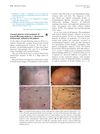
June 2017 in “Journal of The American Academy of Dermatology” Trichoscopy helps diagnose frontal fibrosing alopecia, even with unusual patterns.
21 citations
,
March 2018 in “JEADV. Journal of the European Academy of Dermatology and Venereology/Journal of the European Academy of Dermatology and Venereology” 5-alpha-reductase inhibitors may help stabilize or slow down hair loss in some frontal fibrosing alopecia patients, but more research is needed to confirm their effectiveness and safety.
 42 citations
,
March 2014 in “European Journal of Pharmacology”
42 citations
,
March 2014 in “European Journal of Pharmacology” Ginsenoside F2 from ginseng may increase hair growth better than standard treatments by affecting cell growth signals.
 20 citations
,
January 2017 in “Scientific reports”
20 citations
,
January 2017 in “Scientific reports” Whale genes show changes that help them live in water, like less hair and better flippers.
 August 2018 in “Journal of The American Academy of Dermatology”
 Finasteride, a hair loss drug, is linked to increased suicidal thoughts, particularly when used for hair loss.
March 2023 in “Oxford University Press eBooks”  May 2025 in “The Journal of Rheumatology”
 People with lupus find fatigue and skin issues very bothersome, and even small improvements are meaningful.
1 citations
,
January 2015 in “Journal of clinical case reports” KFSD causes scarring hair loss and skin roughness, mainly in males.
 59 citations
,
August 2004 in “Human Reproduction Update”
59 citations
,
August 2004 in “Human Reproduction Update” Testosterone replacement can help women with low libido and mood, but they need to have enough estrogen first to avoid side effects.
 5 citations
,
August 2014 in “Journal of The American Academy of Dermatology”
5 citations
,
August 2014 in “Journal of The American Academy of Dermatology” Smoking doesn't cause or prevent Frontal Fibrosing Alopecia, hormonal imbalance may be involved, and a combination of antiandrogens and steroids can help stabilize the condition.
23 citations
,
March 2019 in “Gene” Editing the FGF5 gene in sheep increases wool length, confirming its role in hair growth.
January 2013 in “Chinese Journal of Dermatovenereology of Integrated Traditional and Western Medicine” YiFa compound serum may help treat hair loss by boosting hair follicle stem cell activity.
 11 citations
,
May 2023 in “Journal of Cutaneous Medicine and Surgery”
11 citations
,
May 2023 in “Journal of Cutaneous Medicine and Surgery” Plasma Rich in Growth Factors may help reduce hair loss in Frontal Fibrosing Alopecia.
September 2023 in “JEADV Clinical Practice” Dermoscopy helps diagnose folliculotropic mycosis fungoides by identifying specific skin patterns.
2 citations
,
July 2012 in “BMJ” FFA can be mistaken for rosacea, requiring specific treatment for accurate diagnosis and management.
 98 citations
,
July 2011 in “Fertility and Sterility”
98 citations
,
July 2011 in “Fertility and Sterility” An mFG score of 5 or more indicates above-normal hair growth in Southern Chinese women.
Metabolic processes and key genes like FGF5, FGFR1, and RRAS significantly affect hair follicle growth in Inner Mongolian Cashmere goats.
 225 citations
,
April 2018 in “Journal of Investigative Dermatology”
225 citations
,
April 2018 in “Journal of Investigative Dermatology” Two main types of fibroblasts with unique functions and additional subtypes were identified in human skin.
17 citations
,
June 2016 in “Archives de Pédiatrie” Frontal fibrosing alopecia can occur in children, not just postmenopausal women.
![Influence of FHIT on Benzo[a]pyrene-Induced Tumors and Alopecia in Mice: Chemoprevention by Budesonide and N-Acetylcysteine](/images/assets/f8f56777-f891-4879-8c45-c87d6aa82563/small/35499.jpg) 24 citations
,
May 2006 in “Proceedings of the National Academy of Sciences of the United States of America”
24 citations
,
May 2006 in “Proceedings of the National Academy of Sciences of the United States of America” Budesonide and N-acetylcysteine reduced tumors and alopecia in mice, regardless of FHIT gene status.