June 2025 in “Proceedings of the National Academy of Sciences” A PIK3CA mutation in Schwann cells causes severe nerve damage and increased glycolysis, but early treatment can help.
 January 2025 in “Cell Communication and Signaling”
 CXXC5 can both suppress and promote cancer, making it a complex target for treatment.
January 2025 in “Tesis Doctorals en Xarxa (Consorci de Serveis Universitaris de Catalunya)” Erectile dysfunction is linked to hormone imbalances and vascular health, requiring personalized treatment approaches.
July 2024 in “Journal of Investigative Dermatology” Hair follicles are crucial for maintaining skin barrier function.
 April 2024 in “BMB Reports”
 Lack of Cisd2 disrupts calcium balance in cells, leading to poorly functioning neutrophils.
 March 2024 in “Frontiers in genetics”
 Different types of fibroblasts play specific roles in wound healing and cancer, which could help improve treatments.
 January 2024 in “Wiadomości Lekarskie”
 AI and robotics are improving treatment and monitoring of neurodegenerative disorders like Parkinson's.
 January 2024 in “Wiadomości Lekarskie”
 High PMP 22 levels in type 2 diabetes patients may cause hearing loss.
 November 2023 in “BMC genomics”
 The study concluded that the arachidonic acid pathway and the protein KRT79 play a role in determining the fineness of cashmere.
 November 2023 in “The journal of investigative dermatology/Journal of investigative dermatology”
 Rose stem cell nanoparticles improve skin quality by boosting collagen, aiding cell movement, reducing melanin, and lowering inflammation.
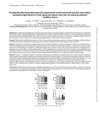 November 2023 in “European heart journal”
 Finasteride improves heart function and balance in aging and obese male rats by reducing oxidative stress.
 October 2023 in “Apollo medicine”
 The skin acts like an endocrine organ, producing hormones that affect various body functions and skin health, and understanding this can lead to new treatments.
 September 2023 in “Deleted Journal”
 Lifestyle changes improve reproductive function and hormonal balance in obese women with PCOS.
Deleting Smad4 and PTEN genes in mice causes rapid, invasive forestomach cancer.
Deleting Smad4 and PTEN genes in mice causes rapid, invasive stomach cancer.

Lower LDL-c levels predict higher COVID-19 mortality.
November 2022 in “Journal of Investigative Dermatology” Targeting inflammation can improve scalp and hair health.
 July 2022 in “The journal of investigative dermatology/Journal of investigative dermatology”
 MPZL3 protein helps keep sebaceous gland size and cell growth in check.
 July 2022 in “The journal of investigative dermatology/Journal of investigative dermatology”
 Krox20 is important for maintaining stem cells in the skin and affects hair growth and color.
 April 2022 in “Research Square (Research Square)”
 Researchers created a stable rabbit cell line for hair research that doesn't age quickly or become cancerous.
April 2021 in “Journal of Investigative Dermatology” Krox20 is crucial for hair growth and maintaining skin stem cells.
 August 2020 in “Current psychopharmacology”
 Pregnancy and nursing increase certain brain activities in rats, but these changes disappear when the babies are taken away.
 May 2020 in “Research Square (Research Square)”
 Human stem cells can turn into functional eye cells that might help treat retinal diseases.
November 2019 in “British Journal of Dermatology” FOL-005 peptide may help treat excessive hair growth safely.
Sox13 is a marker for early hair follicle development but not essential for skin and hair growth.
 August 2019 in “Journal of Investigative Dermatology”
 Frog skin cells need the protein desmoplakin for proper development and cell layer formation.
April 2019 in “The journal of investigative dermatology/Journal of investigative dermatology” A specific mutation in the TRPV3 gene causes hair follicle cells to develop improperly, leading to hair loss.
 April 2018 in “Journal of Investigative Dermatology”
 Aging reduces skin cell renewal and defense against germs due to TGFbeta, but blocking TGFbeta could help restore these functions.
January 2018 in “VCU Scholars Compass (Virginia Commonwealth University)” Desmosomes are crucial for skin and heart development, and JNK may help regulate them.
 April 2017 in “Journal of Investigative Dermatology”
 Deleting the CRIF1 gene in mice disrupts skin and hair formation, certain proteins affect hair growth, a new compound may improve skin and hair health, blood cell-derived stem cells can create skin-like structures, and hair follicle stem cells come from embryonic cells needing specific signals for development.