September 2023 in “Journal of the American Academy of Dermatology” Current guidelines may overlook beard and sideburn involvement in diagnosing frontal fibrosing alopecia in men.
1 citations
,
May 2024 in “Skin Appendage Disorders” Trichoscopy helps better diagnose and treat Frontal Fibrosing Alopecia in black patients.
26 citations
,
October 2018 in “International journal of osteoarchaeology” Medieval people in Mallorca used ferns as medicine.
October 1977 in “Munich Personal RePEc Archive (Ludwig Maximilian University of Munich)” Mefloquine was generally safe at 500 mg weekly, but higher doses caused nausea and diarrhea.
June 2025 in “American Journal of Dermatopathology” Granulomatous Alopecia Areata is rare and may be caused by hair antigens or follicle destruction.
1 citations
,
June 2018 in “Journal of General-Procedural Dermatology & Venereology Indonesia” Skin debridement and antifungals successfully treated severe scalp infection without scarring.
December 2021 in “Pathologica” Trichogerminoma is a rare, benign skin tumor from hair cells, with a small risk of becoming cancerous.
 4 citations
,
December 2013 in “International Journal of Dermatology”
4 citations
,
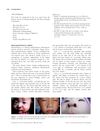
December 2013 in “International Journal of Dermatology” Three children with nasal fungal infections were successfully treated with potassium iodide and sometimes itraconazole.
Genetic factors might cause fibrosing alopecia linked to hair shaft abnormalities.
September 2022 in “Medical Mycology” Scalp fungi and sebum differences may affect hair loss in men.
 10 citations
,
November 2017 in “Journal of Investigative Dermatology”
10 citations
,
November 2017 in “Journal of Investigative Dermatology” A mutation in the FAM83G gene is linked to skin and hair abnormalities in two related individuals.
75 citations
,
July 2016 in “New phytologist” The protein RSL4 is crucial for making root hairs longer by controlling genes related to cell growth.
 6 citations
,
January 2020 in “Czech Journal of Animal Science”
6 citations
,
January 2020 in “Czech Journal of Animal Science” The FAT1 gene and its variations can help improve wool quality in Chinese Merino sheep through selective breeding.
24 citations
,
August 2007 in “Journal of pediatric surgery” Surgery is not the right treatment for a fungal scalp infection; proper medical treatment is needed.
 33 citations
,
January 2010 in “Case reports in dermatology”
33 citations
,
January 2010 in “Case reports in dermatology” Dermoscopy helps diagnose frontal fibrosing alopecia by distinguishing it from other hair loss conditions.
21 citations
,
April 2000 in “Journal of Cutaneous Pathology” The hamartoma is an abnormal hair growth with limited development in the upper hair follicle.
 33 citations
,
December 2013 in “Journal of cutaneous pathology”
33 citations
,
December 2013 in “Journal of cutaneous pathology” A fungal infection can look like a different scalp condition in teens, leading to wrong treatment until proper tests are done.
10 citations
,
June 1956 in “OSTI OAI (U.S. Department of Energy Office of Scientific and Technical Information)” Air pollution has caused over $3 million in crop damage annually in Los Angeles since 1953.
4 citations
,
November 1998 in “Pediatrics in review” Scalp fungal infections need oral antifungals, while other skin fungal infections can be treated with creams; keep areas dry and don't stop treatment early.
 June 2023 in “Brazilian Journal of Case Reports”
 Botulinum Toxin Type A delivered through the skin may be a promising treatment for Frontal Fibrosing Alopecia.
July 2021 in “Hair transplant forum international” Fenugreek seeds lack strong evidence for treating hair loss.
1 citations
,
March 2013 in “Clinical, cosmetic and investigational dermatology” The boy's hair loss was due to a hair-pulling disorder, not just a fungal infection.
44 citations
,
April 2013 in “Proceedings of the National Academy of Sciences of the United States of America” FGF13 gene changes cause excessive hair growth in a rare condition.
October 2023 in “Nutrients” Millet and wheat extracts may improve hair health and promote growth.
 38 citations
,
June 2018 in “Plant & cell physiology/Plant and cell physiology”
38 citations
,
June 2018 in “Plant & cell physiology/Plant and cell physiology” Changing the amount of PLC5 in Arabidopsis affects root growth and drought resistance, with less PLC5 slowing root growth and more PLC5 improving drought tolerance but hindering root hair growth.
6 citations
,
July 2004 in “JDDG Journal der Deutschen Dermatologischen Gesellschaft” Frontal fibrosing alopecia in postmenopausal women can be managed with early treatment using corticosteroids to stop hair loss.
 1 citations
,
April 2016 in “The American Journal of the Medical Sciences”
1 citations
,
April 2016 in “The American Journal of the Medical Sciences” The document concludes that doctors should check for frontal fibrosing alopecia in patients with acquired hyperpigmentation and that early treatment is important.
 1 citations
,
January 2019 in “Acta dermato-venereologica”
1 citations
,
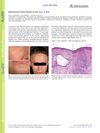
January 2019 in “Acta dermato-venereologica” The woman's skin and hair symptoms were confirmed as frontal fibrosing alopecia, and while facial papules are common in such cases, there's no effective local treatment, but systemic treatments can help.
 March 2018 in “Dermatología Argentina”
 The study found that the average age of women diagnosed with Frontal Fibrosing Alopecia in Argentina is higher than in other countries, but their symptoms are similar.
 July 2023 in “International journal of dermatology, venereology and leprosy sciences”
 Most rural children with scalp ringworm had a non-inflammatory type and early treatment is important to prevent complications.