 January 2024 in “Advances in Cosmetic Surgery”
 Robotic hair restoration is a safe, efficient alternative to manual hair transplant, best for men with dark, thick hair and skin, requiring sufficient donor hair and postoperative care.
 5 citations
,
February 2019 in “Oral and Maxillofacial Surgery”
5 citations
,
February 2019 in “Oral and Maxillofacial Surgery” Hair loss can be reversed or even cured using advanced hair restoration techniques, with rare complications like swelling and bleeding.
 2 citations
,
August 2011 in “Dermatologic Surgery”
2 citations
,
August 2011 in “Dermatologic Surgery” Small micropunches for hair transplants can increase density but may cause more bleeding and longer healing.
 1 citations
,
May 2017 in “InTech eBooks”
1 citations
,
May 2017 in “InTech eBooks” The document explains the causes, types, diagnosis, and treatments of hair loss, and its psychological impact, especially on women.
 June 2024 in “Journal of Dermatology & Cosmetology”
 The FUL hair restoration technique is better for aesthetics and causes less scarring.
 13 citations
,
September 2018 in “Hair transplant forum international”
13 citations
,
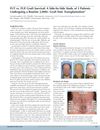
September 2018 in “Hair transplant forum international” FUE and FUT hair transplants have similar success rates, with FUE slightly better.
 26 citations
,
December 2013 in “Aesthetic Plastic Surgery”
26 citations
,
December 2013 in “Aesthetic Plastic Surgery” Micropigmentation safely and effectively hides scalp hair loss and scars.
 November 2024 in “International Society of Hair Restoration Surgery”
 FUT is a hair restoration method that should be chosen based on individual patient needs and preferences.
 January 2022 in “Surgical & Cosmetic Dermatology”
 Fat grafting before FUE hair transplantation effectively treats scalp scars.
 6 citations
,
January 2023 in “npj regenerative medicine”
6 citations
,
January 2023 in “npj regenerative medicine” Transplanting growing hair follicles into scars can help regenerate and improve scar tissue.
 19 citations
,
February 2008 in “Facial Plastic Surgery”
19 citations
,
February 2008 in “Facial Plastic Surgery” The article concludes that microvascular free flaps, especially the latissimus dorsi flap, are recommended for large scalp reconstructions, and hair transplantation offers high survival rates and excellent aesthetic results.
 8 citations
,
January 2015 in “Journal of Cutaneous Medicine and Surgery”
8 citations
,
January 2015 in “Journal of Cutaneous Medicine and Surgery” Hair restoration techniques have improved but still rely on limited donor hair, with new methods like cloning and gene therapy being explored.
 4 citations
,
January 2020 in “Journal of Cutaneous and Aesthetic Surgery”
4 citations
,
January 2020 in “Journal of Cutaneous and Aesthetic Surgery” Keloid scars can form after hair transplant surgery and should be prevented and treated early.
 1 citations
,
July 2021 in “Aesthetic Plastic Surgery”
1 citations
,
July 2021 in “Aesthetic Plastic Surgery” The new triangular flag-shaped design for incisions in hair transplant surgery provides better hair alignment and cosmetic appearance without extra scarring, especially for patients with specific hair directions.
 November 2019 in “Journal of Aesthetic Nursing”
 The article concludes that a thorough diagnosis and treatment plan, including medications, non-invasive methods, or surgery, is important for managing hair loss, with a combination of minoxidil and finasteride being particularly effective.
 77 citations
,
April 1999 in “Dermatologic Clinics”
77 citations
,
April 1999 in “Dermatologic Clinics” The document concludes that follicular unit transplantation offers more natural results and better graft survival than older hair transplant methods.
 15 citations
,
June 2006 in “Journal of Plastic Reconstructive and Aesthetic Surgery”
15 citations
,
June 2006 in “Journal of Plastic Reconstructive and Aesthetic Surgery” FUT effectively treats male-pattern hair loss with high satisfaction.
 13 citations
,
September 2002 in “Dermatologic Surgery”
13 citations
,
September 2002 in “Dermatologic Surgery” Effective repair of bad hair transplants requires skilled techniques and careful use of donor hair, with strategies like reimplantation and camouflage, and new methods to minimize scarring.
 4 citations
,
January 2005 in “Elsevier eBooks”
4 citations
,
January 2005 in “Elsevier eBooks” Follicular Unit Transplantation is a precise hair restoration technique that requires careful planning and a skilled team, and Follicular Unit Extraction offers a less invasive option.
 3 citations
,
June 2005 in “Ophthalmology Clinics of North America”
3 citations
,
June 2005 in “Ophthalmology Clinics of North America” Follicular unit transplantation treats hair loss and restores eyebrows with short recovery and natural results.
Hair transplants are effective for male and female pattern baldness, have evolved in technique, and require careful planning for natural results and managing complications.
 November 2018 in “Springer eBooks”
 The document concludes that hair transplant methods are often selected for provider convenience over patient benefit, highlighting the need for less invasive techniques and careful physician involvement for better results.
 May 2017 in “InTech eBooks”
 Follicular Unit Extraction (FUE) is a popular hair transplant method with minimal scarring that can transplant many grafts quickly and improve appearance and psychological well-being.
 August 1998 in “Dermatologic Surgery”
 Follicular unit hair transplantation is better than Miniflap Hair Restoration due to less scarring and more natural results.
 8 citations
,
July 2016 in “Hair transplant forum international”
8 citations
,
July 2016 in “Hair transplant forum international” FUT-MD hair transplants have higher follicle survival rates than FUE transplants.
 1 citations
,
January 2017 in “Journal of Aesthetic & Reconstructive Surgery”
1 citations
,
January 2017 in “Journal of Aesthetic & Reconstructive Surgery” Combining FUT and FUE hair transplant methods in one session provides more grafts and higher patient satisfaction.
 November 2025 in “Indian Journal of Plastic Surgery”
 The new technique increases hair graft yield and minimizes scarring in hair restoration.
 1 citations
,
April 2019 in “Aesthetic Plastic Surgery”
1 citations
,
April 2019 in “Aesthetic Plastic Surgery” Secondary hairline correction surgery can be effective and satisfying when customized to the patient's needs.
 April 2019 in “Advances in Cosmetic Surgery”
 The document concludes that ongoing medical therapy is crucial for preventing hair loss, and surgical options can restore hair, with future treatments for hair loss being promising.
 153 citations
,
August 2002 in “Dermatologic Surgery”
153 citations
,
August 2002 in “Dermatologic Surgery” Follicular Unit Extraction (FUE) is a less invasive hair transplant method with minimal scarring, suitable for about 60% of patients, especially those needing fewer grafts and quicker recovery.