 April 2018 in “bioRxiv (Cold Spring Harbor Laboratory)”
 A gene variant causes patched hair loss in mice, similar to alopecia areata in humans.
 April 2018 in “bioRxiv (Cold Spring Harbor Laboratory)”
 Certain small molecules can help regrow hair by turning on the body's cell cleanup process.

TLR3 signaling enhances the immunosuppressive properties of human periodontal ligament stem cells.
 December 2016 in “University of Birmingham Institutional Research Archive (University of Birmingham)”
 Steroid-producing capabilities in certain cancers may contribute to treatment resistance.
Human hair follicle cells can be turned into stem cells that may help clone hair for treating hair loss or burns.
 August 2016 in “Journal of Dermatology”
 A chemical called 5-Bromo-2′-deoxyuridine caused rapid hair loss in mice by killing certain skin cells through a specific cell death pathway.
 January 2016 in “Human & Experimental Toxicology”
 A specific DNA sequence caused hair loss in male mice by activating immune cells and increasing a certain immune signal.
 April 2015 in “Andrology”
 HNG may help prevent the negative effects of chemotherapy on sperm production and white blood cell counts.
 January 2015 in “Durham e-Theses (Durham University)”
 Adipose tissue changes in obesity can trigger stress in fat cells.
The research found that people's hair proteins vary, especially by ethnicity and body part, which could help identify individuals in forensic science.
The research found that people's hair proteins vary by individual and body part, with some differences between ethnic groups, which could help in forensics.
 June 2014 in “Journal of biomedical research”
 Sargassum fusiforme extracts help promote hair growth.
 March 2014 in “Institutional Repositories DataBase (IRDB)”
 Skin-derived stem cells could help treat skin aging and pigmentation issues.
 February 2014 in “Revista Argentina de Cardiología”
 Androgens may increase arrhythmias in Brugada Syndrome, while Finasteride could reduce them.

Chrysanthemum zawadskii extract may help treat hair loss by promoting hair growth and affecting growth factors.
 September 2013 in “Molecular Biology”
 The document suggests that activating autophagy might help with regeneration by removing old and damaged cells.

Hair follicles can be used to quickly assess drug effects in cancer treatment.
Avicennia marina extract and avicequinone C can potentially promote hair growth and treat hair loss by interfering with hair loss mechanisms and boosting growth factors.
 June 2022 in “Journal of Dermatology Research”
 Using 448-kHz Capacitive-Resistive Electrothermal Therapy can help increase hair density and prevent hair loss in women.
 May 2021 in “Experimental Cell Research”
 FOXC1 boosts SFRP1 in hair loss, suggesting new treatments.

Ovol2 is crucial for hair growth and skin healing by controlling cell movement and growth.
13 citations
,
October 2016 in “Acta Biochimica et Biophysica Sinica” GhPLDα1 helps thicken cotton fiber walls by boosting cellulose production.
June 2023 in “Journal of Biological Chemistry” Get3d protein helps maintain photosynthesis in plants and photosynthetic bacteria.
 2 citations
,
April 2012 in “Science-business Exchange”
2 citations
,
April 2012 in “Science-business Exchange” Blocking a protein called prostaglandin D2 might help treat hair loss.
 56 citations
,
December 2011 in “The Plant Journal”
56 citations
,
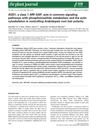
December 2011 in “The Plant Journal” AGD1 is important for root hair development in Arabidopsis, working with phosphoinositide signaling and the actin cytoskeleton.
 205 citations
,
March 2012 in “Science Translational Medicine”
205 citations
,
March 2012 in “Science Translational Medicine” PGD2 stops hair growth and is higher in bald men with AGA.
12 citations
,
July 2015 in “Experimental Dermatology” Gasdermin A3 overexpression in skin causes inflammation and hair loss.
 7 citations
,
June 2011 in “Movement Disorders”
7 citations
,
June 2011 in “Movement Disorders” A specific gene mutation is linked to a hereditary form of dystonia that responds well to certain medications.
 11 citations
,
June 2017 in “Journal of cell science”
11 citations
,
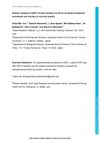
June 2017 in “Journal of cell science” AGD1's PH domain is essential for its role in root hair growth and polarity.

L-PGDS has specific binding sites for its functions and could help in drug delivery system design.