 June 2026 in “Zenodo (CERN European Organization for Nuclear Research)”
 SH-1 effectively treats hair loss without side effects.
 6 citations
,
December 2014 in “Clinical and Experimental Dermatology”
6 citations
,
December 2014 in “Clinical and Experimental Dermatology” Hair density and thickness decrease in all scalp areas for East Asians with AGA.
July 2025 in “Actas Dermo-Sifiliográficas” Botulinum toxin A does not significantly improve hair density or thickness in androgenetic alopecia.
42 citations
,
July 1993 in “Journal of Investigative Dermatology”  12 citations
,
February 1998 in “Gene”
12 citations
,
February 1998 in “Gene” The B2 genes are crucial for hair growth in rats.
January 2012 in “Journal of Northwest A & F University” The Eda gene helps regulate the hair cycle in goats.
 21 citations
,
April 1990 in “Journal of comparative neurology”
21 citations
,
April 1990 in “Journal of comparative neurology” The study found that nerve signals are stronger when there are more connection points, but not necessarily denser, along the nerve's path in the spine.
1 citations
,
January 2001 in “PubMed” Mechanoreceptors convert physical touch into electrical signals through specialized nerve structures.
 May 2024 in “Drug discovery today”
 Thyroid receptor β can help develop new drugs to treat hair loss.
21 citations
,
September 2021 in “New Phytologist” HB24 helps convert IBA to IAA, promoting root hair growth.
63 citations
,
December 2010 in “Journal of Endocrinology” Reduced neurosteroids and growth issues can harm fetal brain development, especially in males.
November 2024 in “Journal of Investigative Dermatology” Skin and hair cells release serotonin and histamine naturally, which could help improve skin health.
 105 citations
,
August 2010 in “Pharmacology & therapeutics”
105 citations
,
August 2010 in “Pharmacology & therapeutics” Formyl-peptide receptor agonists could be new anti-inflammatory drugs.
Levetiracetam and valproate sodium both reduce seizures when added to lamotrigine, but levetiracetam has fewer side effects.
January 2015 in “International Journal of Nanomedicine” Anionic squarticles can effectively counteract amitriptyline overdose, improving survival rates.
82 citations
,
April 2014 in “Plant Cell & Environment” Magnesium levels control root hair growth in plants.
16 citations
,
April 2021 in “Plant Signaling & Behavior” MYB30 and EIN3 work against each other to control root hair growth and phosphorus uptake in plants when phosphate is low.
 6 citations
,
April 2014 in “European journal of medicinal chemistry”
6 citations
,
April 2014 in “European journal of medicinal chemistry” New compounds similar to cromakalim were less effective at inhibiting insulin release but improved in solubility and one acted as a calcium entry blocker, not a potassium channel opener.
82 citations
,
July 2012 in “Brain pathology” High LGR5 levels in glioblastoma indicate poor prognosis and are essential for cancer stem cell survival.
RXR and RAR proteins in skin may help with cell growth, hair growth, and gland function.
 76 citations
,
June 2015 in “Journal of biomedical science”
76 citations
,
June 2015 in “Journal of biomedical science” Mutations in Gasdermin A3 cause skin inflammation and hair loss by disrupting mitochondria.
 June 2026 in “HAL (Le Centre pour la Communication Scientifique Directe)”
 SH-1 effectively treats hair loss without side effects.
29 citations
,
March 1987 in “Therapeutic Drug Monitoring” Combining sodium valproate with other epilepsy drugs increases ammonia levels and side effects.
November 2025 in “The Journal of Immunology” The S1PR 1&4 modulator may effectively treat alopecia areata by reducing hair loss and immune cell activity.
35 citations
,
May 2008 in “Drug and Alcohol Dependence” Female mice are less affected by certain substances that alter alcohol consumption compared to male mice.
 January 2010 in “Yearbook of Endocrinology”
 Two new compounds can block androgen receptor activity in different ways and may lead to new treatments for androgen-related diseases.
14 citations
,
June 2022 in “Neuroscience” 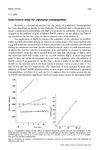 19 citations
,
November 1971 in “Clinica Chimica Acta”
19 citations
,
November 1971 in “Clinica Chimica Acta” The document concludes that measuring γ-glutamyl transpeptidase activity is more accurate with a higher substrate concentration and using diluted acetic acid to stop the reaction.
 48 citations
,
June 2014 in “Neurobiology of Disease”
48 citations
,
June 2014 in “Neurobiology of Disease” The study suggests that motor neurons created from stem cells of patients with spinal and bulbar muscular atrophy show signs of the disease, including changes in protein levels and cell functions.
August 2011 in “Reproductive Toxicology”