 58 citations
,
June 2018 in “Scientific reports”
58 citations
,
June 2018 in “Scientific reports” Researchers found 15 new genetic links to skin traits in Japanese women.
77 citations
,
March 2000 in “Journal of Investigative Dermatology” The research identified six functional hair keratin genes and four pseudogenes, providing insights into hair formation and gene organization.
 10 citations
,
June 2001 in “Annals of neurology”
10 citations
,
June 2001 in “Annals of neurology” Alzheimer's patients have higher levels of certain chemicals in their hair.
 6 citations
,
January 2013 in “Genetics and Molecular Research”
6 citations
,
January 2013 in “Genetics and Molecular Research” Women with hair loss have more androgen receptors in certain hair follicles.
124 citations
,
November 2000 in “The journal of investigative dermatology/Journal of investigative dermatology” PAD3 plays a key role in hair and skin protein structure and may be linked to skin diseases.
 December 2021 in “Research Square (Research Square)”
 S100A4 and NMIIA promote tumor growth in glioblastoma by enhancing blood vessel functions.
3 citations
,
September 2022 in “European Journal of Dermatology” Gene sequencing is crucial for diagnosing Junctional epidermolysis bullosa.
 54 citations
,
November 2001 in “Urology”
54 citations
,
November 2001 in “Urology” The length of the CAG repeat in the androgen receptor gene affects the risk and progression of prostate cancer, BPH, infertility, and undermasculinized genitalia.
 September 2020 in “bioRxiv (Cold Spring Harbor Laboratory)”
 Glutamic acid helps mice grow hair.
January 2026 in “Therapeutics” SCUBE3 is a potential target for cancer and alopecia treatment but is challenging to target due to its varied roles.
46 citations
,
November 1963 in “Journal of Histochemistry & Cytochemistry” Arginine converts to citrulline in hair follicles as proteins harden.
The microenvironment affects the behavior and survival of melanocytes with the GNAQ oncogene in melanoma.
3 citations
,
May 2025 in “Carbohydrate Polymers” The new microneedle patch effectively treats alopecia areata with fewer side effects than oral medication.
33 citations
,
January 2000 in “Acta Oto-Laryngologica” Epidermal growth factor increases extra hair cells in newborn rat ears.
 January 2025 in “Nature Communications”
 Large-scale reconstructions enhance understanding of vibrissal sensory mapping in the brain.
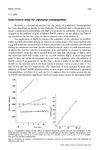 19 citations
,
November 1971 in “Clinica Chimica Acta”
19 citations
,
November 1971 in “Clinica Chimica Acta” The document concludes that measuring γ-glutamyl transpeptidase activity is more accurate with a higher substrate concentration and using diluted acetic acid to stop the reaction.
 December 2023 in “The journal of cell biology/The Journal of cell biology”
 The mTurq2-Col4a1 mouse model shows how the basement membrane develops in live mammals.
 1 citations
,
February 2014 in “Archiv Der Pharmazie”
1 citations
,
February 2014 in “Archiv Der Pharmazie” Carbamates may help treat androgen-dependent conditions by changing how certain lipid enzymes are produced.
11 citations
,
October 2007 in “Journal of Investigative Dermatology” Mutations in the Sgk3 gene cause fuzzy hair in mice.
12 citations
,
September 1990 in “The Anatomical Record” Human anagen hair follicles have unique carbohydrate patterns during keratinization.
210 citations
,
February 2008 in “Nature genetics” Mutations in the P2RY5 gene cause autosomal recessive woolly hair.
5 citations
,
May 2024 in “Developmental Cell” Lower GATA3 levels in mice help hair regrow by changing certain immune cells.
 4 citations
,
September 2016 in “Molecular Medicine Reports”
4 citations
,
September 2016 in “Molecular Medicine Reports” Specific genes influence hair and cashmere growth in Laiwu black goats.
 87 citations
,
July 2018 in “Biochimica et Biophysica Acta (BBA) - Molecular Cell Research”
87 citations
,
July 2018 in “Biochimica et Biophysica Acta (BBA) - Molecular Cell Research” Mice studies show that Protein Phosphatase 2A is crucial for cell growth, development, and disease prevention.
May 2026 in “Journal of Medicinal Chemistry” dAR-6–1 is a promising new treatment for hair loss that works better than minoxidil.
 10 citations
,
June 2011 in “Movement Disorders”
10 citations
,
June 2011 in “Movement Disorders” THAP1 gene changes do not affect DYT1 dystonia; finasteride may help reduce tics and OCD in Tourette syndrome.
26 citations
,
May 2016 in “Journal of biological chemistry/The Journal of biological chemistry” sPLA2-IIE is crucial for normal hair follicle structure and skin health.
 April 2016 in “Journal of Investigative Dermatology”
 Microneedle arrays deliver botulinum toxin effectively for sweat suppression, similar to injections.
24 citations
,
December 2013 in “Archives of Dermatological Research” January 1992 in “Biology of the Cell” Retinoic acid receptors are important for hair follicle development.