1 citations
,
January 2013 Bimatoprost treats glaucoma and promotes hair growth, with potential for more medical uses.
5 citations
,
April 2022 in “Evidence-based Complementary and Alternative Medicine” Shaoyao Gancao decoction may treat alopecia areata by affecting the PI3K/AKT signaling pathway.
 26 citations
,
October 2011 in “International Journal of Biological Macromolecules”
26 citations
,
October 2011 in “International Journal of Biological Macromolecules” Some newly made compounds are promising for treating enlarged prostate, hair loss, viruses, and prostate cancer, and might be better than current drugs.
9 citations
,
April 2018 in “Biology of reproduction” Diet changes hormone levels in pregnant ewes by affecting metabolism, not placental synthesis.
8 citations
,
October 2019 in “The Journal of surgical research/Journal of surgical research” Sodium valproate helps skin healing by affecting GABA and histone deacetylase.
March 2022 in “Research Square (Research Square)” Mushroom compounds may help treat hair loss better than Finasteride.
June 2023 in “bioRxiv (Cold Spring Harbor Laboratory)” Dopaminergic neurons in the gut have distinct subtypes, some releasing both dopamine and acetylcholine.
158 citations
,
June 2014 in “Journal of Lipid Research” Lysophospholipids can act as anti-inflammatory agents through specific receptors, but more research is needed.
Allopregnanolone may help reduce inflammation and symptoms related to post-finasteride syndrome.
50 citations
,
December 2006 in “Bone” Exemestane may protect bones by stimulating osteoblast growth through androgen-related pathways.
77 citations
,
January 1993 in “Skin Pharmacology and Physiology” Steroids stop hair growth temporarily but don't block the signals that start it.
April 2026 in “The Journal of Steroid Biochemistry and Molecular Biology”  November 2025 in “Stem Cell Reviews and Reports”
 The error in figures didn't affect the study's results or conclusions.
June 2003 in “Faculty Opinions – Post-Publication Peer Review of the Biomedical Literature” GLABRA2 represses root hair formation by inhibiting a specific gene.
 45 citations
,
August 2005 in “Bioorganic & medicinal chemistry”
45 citations
,
August 2005 in “Bioorganic & medicinal chemistry” New compounds with carborane showed anti-androgen effects similar to flutamide.
 November 2022 in “Journal of Herbal Medicine”
 Certain compounds found in edible mushrooms may help treat hair loss.
 3 citations
,
March 2022 in “Polymers”
3 citations
,
March 2022 in “Polymers” Substances from Ascidian tunics might help treat hair loss as effectively as Minoxidil.
 15 citations
,
December 2015 in “PLoS ONE”
15 citations
,
December 2015 in “PLoS ONE” Fibroblasts can be mistaken for neural cells, so functional validation is needed.
 10 citations
,
July 2011 in “British Journal of Dermatology”
10 citations
,
July 2011 in “British Journal of Dermatology” Lower growth factors linked to balding in androgenetic alopecia.
18 citations
,
April 2009 in “Journal of Chromatography A” Detecting steroid esters in cattle hair is inconsistent and influenced by sampling factors.
82 citations
,
January 1994 in “Skin Pharmacology and Physiology” Hair follicles and glands significantly increase steroid absorption in skin.
64 citations
,
March 2008 in “Neuropsychopharmacology” July 2026 in “Journal of Investigative Dermatology” 2 citations
,
January 1975 in “Archives of Dermatological Research” Certain enzymes react strongly with some hormones in rat skin during hair growth, mainly in sebaceous glands and hair sheaths.
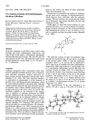 December 1998 in “Acta Crystallographica Section C-crystal Structure Communications”
 A new compound with strong antiandrogenic effects was found, potentially useful for treating conditions like acne and prostate cancer.
May 2018 in “KU ScholarWorks (The University of Kansas)” Targeting 5α-reductase type 1 may help manage Tourette-like symptoms.
January 2021 in “Figshare” Autophagy helps delay aging in mouse glands, maintains fat balance, and controls scent production.