10 citations
,
May 2020 in “Clinical and Experimental Health Sciences” Tideglusib may help bone regeneration without being toxic at low doses.
 November 2024 in “Circulation”
 GLP1-RAs may have higher reports of suicide and hair loss, but no strong evidence links them to these issues.
July 2026 in “Journal of the American Academy of Dermatology” 89 citations
,
October 2003 in “Biology of the Cell” Galectin-1 helps in RNA processing in cell nuclei.
 78 citations
,
August 2012 in “Human molecular genetics online/Human molecular genetics”
78 citations
,
August 2012 in “Human molecular genetics online/Human molecular genetics” A new gene, JMJD1C, may affect testosterone levels in men.
 9 citations
,
August 2013 in “PLOS ONE”
9 citations
,
August 2013 in “PLOS ONE” Genetic variants at 20p11 increase baldness risk in Chinese Han people.
11 citations
,
April 2021 in “Cancers” Activating GLI1 signaling without primary cilia could be a promising treatment for neuroblastoma.
November 2025 in “Anxiety Stress & Coping” Higher anxiety symptoms and social behavior affect stress levels in hair.
 7 citations
,
July 2020 in “Immunological Investigations”
7 citations
,
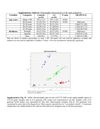
July 2020 in “Immunological Investigations” The rs231775 genetic variant is linked to a higher risk and severity of Alopecia Areata in males.
 13 citations
,
June 2006 in “Pituitary”
13 citations
,
June 2006 in “Pituitary” A woman with acromegaloidism and normal growth hormone levels had a rare X-Tetrasomy, suggesting a need to study X-chromosome genes for their role in growth and facial development.
 59 citations
,
August 2021 in “Frontiers in Endocrinology”
59 citations
,
August 2021 in “Frontiers in Endocrinology” GLP-1 receptor agonists, like Dulaglutide, Liraglutide, and Semaglutide, have potential benefits beyond the pancreas, including neuroprotection, pain suppression, cardiovascular protection, obesity management, and cancer treatment, but there are concerns about pancreatitis and pancreatic cancer risks.
 April 2026 in “Human Genome Variation”
 The MBTPS2 gene variant c.970+5G>A is a common mutation causing IFAP syndrome.
135 citations
,
October 1997 in “Journal of biological chemistry/The Journal of biological chemistry” Trichohyalin is modified by enzymes to form strong structures in hair cells.
 6 citations
,
May 1986 in “Cancer Chemotherapy and Pharmacology”
6 citations
,
May 1986 in “Cancer Chemotherapy and Pharmacology” The drug TGU was ineffective against small cell lung cancer and caused significant bone marrow suppression.
October 2019 in “Al Mustansiriyah Journal of Pharmaceutical Sciences” The CTLA-4 gene polymorphism does not affect polycystic ovarian syndrome.
 2 citations
,
April 2017 in “Molecular Medicine Reports”
2 citations
,
April 2017 in “Molecular Medicine Reports” Blocking autophagy increases survival of inner ear hair cells exposed to gentamicin.
 March 2024 in “International Journal of Pharmaceutics”
 Ginsenoside Rg3 combined with minoxidil was more effective in treating hair loss in mice.
November 2024 in “Journal of Investigative Dermatology” Dermal IgA deposition without symptoms is rare in Dermatitis herpetiformis risk groups.
 3 citations
,
June 1993 in “Hair transplant forum international”
3 citations
,
June 1993 in “Hair transplant forum international” The document's conclusion cannot be provided because the content is not available to parse.
SMAD4 is crucial for muscle repair in young adults but not in aged mice.
1 citations
,
January 2022 Autoimmune Polyendocrine Syndromes involve specific combinations of endocrine and non-endocrine autoimmune diseases.
 January 2008 in “Vestnik Tomskogo gosudarstvennogo universiteta Filologiya”
 Overexpressing the Tβ4 gene in goats can increase cashmere production.
 March 2026 in “Mendeley Data”
 rwSALT accurately measures hair regrowth in alopecia areata using scalp photos.
16 citations
,
July 1996 in “Journal of Investigative Dermatology” May 2024 in “International journal of medicine and psychology.” Ganser syndrome may result from both organic and psychogenic factors.
5 citations
,
March 2021 in “F1000Research” A specific gene variation increases the risk of high uric acid and cholesterol in young Mexican males.
April 2019 in “The journal of investigative dermatology/Journal of investigative dermatology” A specific mutation in the TRPV3 gene causes hair follicle cells to develop improperly, leading to hair loss.
 June 2023 in “GSC Advanced Research and Reviews”
 Hutchinson-Gilford Progeria Syndrome causes rapid aging from a genetic mutation, with no cure but ongoing research into potential treatments.
17 citations
,
May 2007 in “British Journal of Dermatology” Gomez–Lopez–Hernandez syndrome can cause focal hair loss and developmental delays but some children can still function well and excel in school and sports.
A 44-year-old woman with Down's syndrome was diagnosed with both rheumatoid and gouty arthritis and treated with multiple medications.