 4 citations
,
May 2018 in “International Journal of Molecular Sciences”
4 citations
,
May 2018 in “International Journal of Molecular Sciences” The research showed how melanocytes develop, move, and respond to UV light, and their stem cells' role in hair color and skin cancer risk.
144 citations
,
December 2017 in “Pigment cell & melanoma research” Melasma is now considered a skin aging disorder caused by sun exposure in people with a genetic tendency, which impacts treatment and prevention approaches.
137 citations
,
January 2006 in “Frontiers in bioscience” CRH in the skin acts like the body's stress response system, affecting cell behavior and immune activity.
38 citations
,
January 2017 in “PPAR Research” PPAR-γ helps control skin oil glands and inflammation, and its disruption can cause hair loss diseases.
 31 citations
,
August 2022 in “Frontiers in Oncology”
31 citations
,
August 2022 in “Frontiers in Oncology” Photobiomodulation therapy helps manage cancer treatment side effects but needs more research for optimization.
11 citations
,
December 2021 in “Journal of Ginseng Research/Journal of ginseng research” Red ginseng oil is believed to have various health benefits and is safe, but more research is needed to fully understand how it works.
5 citations
,
June 2012 in “Journal of Investigative Dermatology” A new mouse model for vitiligo helps study immune responses and potential treatments.
 4 citations
,
May 2012 in “Journal of Investigative Dermatology”
4 citations
,
May 2012 in “Journal of Investigative Dermatology” The symposium concluded that a specific lipid might cause hair loss, inflammation is a key factor, and stem cells in bald scalps aren't working right, suggesting new treatment targets.
 3 citations
,
June 2023 in “The journal of investigative dermatology/Journal of investigative dermatology”
3 citations
,
June 2023 in “The journal of investigative dermatology/Journal of investigative dermatology” The conclusion suggests that focusing on certain cellular pathways may improve the prevention and repair of hair loss caused by radiotherapy.
 November 2025 in “Cosmetics”
 Rice germ oil improves hair health, but adding ferulic acid offers limited benefits and may worsen chemically damaged hair.
55 citations
,
January 2020 in “Advances in experimental medicine and biology” Vitamin D and its receptor may help prevent skin cancer.
11 citations
,
November 2021 in “JBMR plus” The vitamin D receptor can act without its usual activating molecule, affecting hair growth and skin cancer, but its full range of actions is not well understood.
November 2023 in “Cosmetics” Rice derivatives in conditioners protect and improve hair health.
 April 2022 in “Anti-cancer agents in medicinal chemistry”
 Some existing medicines show promise as safe treatments to protect against the side effects of radiation therapy.
84 citations
,
February 2015 in “Experimental Dermatology” PPARγ is crucial for skin health but can have both beneficial and harmful effects.
50 citations
,
March 2021 in “Annals of Translational Medicine” More research is needed to understand and treat morphea effectively.
29 citations
,
December 2022 in “Journal of Nanobiotechnology” Stem cell vesicles reduced eczema symptoms in mice safely.
1 citations
,
August 2024 in “Journal of Pharmacy & Pharmaceutical Sciences” The DPCP/HPβCD complex improves solubility and anti-inflammatory effects for alopecia areata treatment.
1 citations
,
November 2022 in “International journal of molecular sciences” Human fetal placental stromal cell injections speed up healing and improve skin and hair recovery after radiation damage.
 July 2023 in “Stem Cells Translational Medicine”
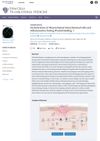
 Mesenchymal Stem/Stromal Cells (MSCs) help in wound healing and tissue regeneration, but can also contribute to tumor growth. They show promise in treating chronic wounds and certain burns, but their full healing mechanisms and potential challenges need further exploration.
 13 citations
,
October 2020 in “Journal of Neural Transmission”
13 citations
,
October 2020 in “Journal of Neural Transmission” CD34-positive cells help repair and form new blood vessels in salivary glands after radiation.
3 citations
,
July 1969 in “PubMed” Radiation reduced zinc levels, growth, organ weights, and hair pigment in swine.
January 2026 in “Journal of Radiation Research” 53BP1 focus analysis in hair cells can help estimate radiation doses.
33 citations
,
May 2018 in “Stem Cell Reports” Krt15+ cells in the mouse intestine resist radiation and can start tumors.
13 citations
,
February 2023 in “Biology” Cell extracts may effectively and safely repair radiation-damaged salivary glands.
57 citations
,
January 2022 in “Biomedicines” Curcumin may improve cancer radiotherapy by making cancer cells more sensitive to radiation and protecting normal cells.
4 citations
,
January 2014 in “The Journal of urology/The journal of urology” Kidney cancer cells without folliculin are more sensitive to radiation due to increased self-eating cell death.
 9 citations
,
July 2022 in “EMBO molecular medicine”
9 citations
,
July 2022 in “EMBO molecular medicine” Blocking certain immune signals can reduce skin damage from radiation therapy.
January 2020 in “Emergency Medicine News” Early diagnosis, decontamination, and supportive care are crucial for managing acute radiation syndrome.
5 citations
,
September 2024 in “International Journal of Molecular Sciences” 3D bioprinted lung cancer models in a mouse-like structure offer a better way to study radiation effects without using live animals.