 May 2026 in “Revista Ensaios Pioneiros”
 A topical solution with minoxidil and rosemary oil may help treat hair loss.
 January 2023 in “Han'gug mi'saengmul saengmyeong gong haghoeji/Han-guk misaengmul saengmyeong gonghak hoeji”
 NOC-4 extract promotes black hair and hair growth effectively.
3 citations
,
September 1973 in “Archives of dermatology” Applying a tretinoin cream can remove hair plugs and treat trichostasis spinulosa.
 April 2017 in “Journal of Dermatological Science”
 Certain flavonoids can improve the growth of pigmented hair in mice.
73 citations
,
November 1979 in “British Journal of Dermatology” Minoxidil can cause excessive hair growth.
 23 citations
,
March 1988 in “Biochemical Pharmacology”
23 citations
,
March 1988 in “Biochemical Pharmacology” Minoxidil stops cells from making prostacyclin, which may help with hair growth. More research is needed.
2 citations
,
January 2016 in “Journal of in silico & in vitro pharmacology” Combining Minoxidil and Rosemary oil in liposomes improves Minoxidil's effectiveness and remains stable for 60 days.
 12 citations
,
November 2011 in “International Journal of Dermatology”
12 citations
,
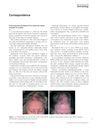
November 2011 in “International Journal of Dermatology” A woman developed a scalp condition from using minoxidil, which improved with a different treatment but left scarring.
May 2025 in “Journal of Traditional Chinese Medical Sciences” Stellera chamaejasme L. extract promotes hair growth by activating hair growth genes.
25 citations
,
August 2015 in “Molecules” Mimosine dipeptides are promising for treating hyperpigmentation and inflammation.
1 citations
,
December 1995 in “Archives of Dermatology” The combination of topical minoxidil and oral finasteride improved hair regrowth in a man with advanced hair loss.
 January 2008 in “Abstracts”
 Minoxidil sulfate gel can be used to treat hair loss.
 April 2019 in “The journal of investigative dermatology/Journal of investigative dermatology”
 HDAC inhibitors, like Vorinostat and Entinostat, can help regrow hair in alopecia areata.
 1 citations
,
August 2018 in “Journal of The American Academy of Dermatology”
1 citations
,
August 2018 in “Journal of The American Academy of Dermatology” Dutasteride and minoxidil mesotherapy effectively treats hair loss with minimal side effects.
 December 2023 in “Redox biology”
 The substance DMC helps get rid of aging cells by triggering a process that causes cell death, which could treat age-related diseases.
 1 citations
,
November 2005 in “Dermatologic Surgery”
1 citations
,
November 2005 in “Dermatologic Surgery” Aminoguanidine increases VEGF in stored hair micrografts, potentially improving their viability after transplant.
Thai plant extracts, especially Avicennia marina, can promote hair growth by inhibiting certain enzymes and boosting growth factors.
6 citations
,
March 2009 in “Pigment Cell & Melanoma Research” A sphingolipid from human placenta may help treat vitiligo by activating melanocyte stem cells.
9 citations
,
April 1970 in “Biochemical pharmacology” Stilbamidine and hydroxystilbamidine inhibit enzyme release from lysosomes and have effects similar to cortisol and chloroquine.
10 citations
,
January 2011 in “Skin research and technology” Procyanidin oligomers can protect hair from oxidative damage and could be good for hair care products.
August 2025 in “International Journal of Biochemistry Research & Review” Glyphaea brevis and Monodora myristica can protect against finasteride's harmful effects on blood and oxidative stress in male rats.
November 2025 in “Journal of Investigative Dermatology” IMG-007 helps regrow hair and reduce scalp inflammation in severe alopecia areata.
 March 2025 in “JDDG Journal der Deutschen Dermatologischen Gesellschaft”
 Facial hyperpigmentation improved with oral isotretinoin and ivermectin cream after Demodex mites were identified as the cause.
September 2019 in “Ukrainian Journal of Dermatology Venerology Cosmetology” The combination treatment effectively and safely cured scalp microsporia in children faster and prevented recurrence.
44 citations
,
January 1997 in “British Journal of Dermatology” Stopping 5% topical minoxidil can reverse unwanted hair growth on the face and limbs.
12 citations
,
March 2019 in “Cosmetics” The oral supplement with Pinus pinaster and Grape seed extract, used with sunscreen, effectively and safely improved mild-to-moderate facial melasma.
 January 2011 in “Reactions Weekly”
 Long-term use of minoxidil may cause hair follicles to transform into noticeable terminal hairs, leading to trichostasis spinulosa.
23 citations
,
June 2014 in “International Journal of Cosmetic Science” Glyoxylic acid is a safer alternative to formaldehyde for hair straightening and effectively changes hair structure.
1 citations
,
October 2021 in “Journal of Investigative Dermatology”  April 1992 in “Current opinion in therapeutic patents”
 New steroids were patented as effective for treating acne, hair loss, and other conditions related to hormones.