January 2024 in “International journal of molecular sciences” Hoxc13 gene affects wool length in Gansu alpine fine-wool sheep.
May 2023 in “Pharmaceuticals” Three specific mutations in the LIPH gene can cause hair loss by damaging the protein's structure and function.
ILC1-like cells can independently cause alopecia areata by affecting hair follicles.
Lhx2 is essential for effective Sonic Hedgehog signaling in early retinal development.
Hairlessness in mammals is due to complex genetic changes in both genes and regulatory regions.

The document concludes that the development of certain tumors is influenced by genetic background and that a specific gene modification can lead to tumor regression and reduced growth.
 January 2022 in “bioRxiv (Cold Spring Harbor Laboratory)”
 Skin lesions in Carney complex are likely caused by a specific group of skin cells that promote pigment production due to a genetic mutation.
CCC1 is crucial for pH balance in plant cells, affecting growth and stress tolerance.
Keratinocytes can reduce the survival of certain melanoma cells, suggesting new therapy paths.
Different types of sun exposure damage skin cells and immune cells, with chronic exposure leading to more severe and lasting damage.
 July 2019 in “Journal of the Formosan Medical Association”
 Melatonin may help with nerve pain, a hepatitis C drug is effective but has side effects, a treatment for mouth sores works but can cause blood issues, ear reconstruction with an implant is safe, HIV transmission from mother to child in Taiwan is now 0% with treatment, certain blood problems are more common in people with a tongue condition, a gene and being overweight are linked to hair loss in some women, a new technique could reduce radiation for lung nodule patients, a hepatitis treatment may lower cancer recurrence after a procedure, and adding extra screening improves tuberculosis detection in patients with lung infections.
 December 2016 in “Springer eBooks”
 Chrousos Syndrome is caused by mutations that make the body less sensitive to glucocorticoids, leading to various symptoms and requiring high-dose treatment.
 May 2014 in “JAMA Dermatology”
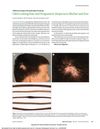
 Mother and son diagnosed with a rare genetic hair loss condition with no effective treatment.
 June 2011 in “Expert Review of Dermatology”
 Researchers discovered potential origins and new treatments for skin cancer, including biomarkers for melanoma and therapies that reduce tumor growth.
 October 2010 in “International Journal of Dermatology”
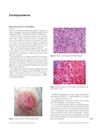
 An 86-year-old man with prostate cancer was diagnosed with a rare, low-grade breast cancer and underwent surgery but declined additional hormone therapy.
 June 2010 in “Expert Review of Dermatology”
 Scientists found key proteins and genes that affect skin and hair health, and identified potential new treatments for hair loss, skin disorders, and wound healing.
 January 2026 in “Frontiers in Medicine”
 A child has a rare hair and skin disorder due to specific gene variants, suggesting broader genetic testing is needed.

Osteopathic manipulation therapy might help treat dementia caused by finasteride.
 September 2024 in “Egyptian Journal of Medical Human Genetics”
 Consider NF1 in newborns with rare congenital anomalies.
 May 2024 in “Frontiers in medicine”
 A genetic mutation in the LIPH gene causes tightly curled hair that stops growing in some Japanese individuals.
 February 2024 in “Frontiers in plant science”
 Peps help Arabidopsis plants grow more root hairs by affecting specific genes and calcium signaling.
November 2022 in “Frontiers in pediatrics” A girl with skin rashes and low zinc levels improved with zinc supplements and had new gene mutations linked to her condition.
 September 2022 in “Frontiers in genetics”
 A Chinese male with a new genetic mutation has a skin condition and severe urinary issues, with treatments having mixed success.
A new mutation in the CYP11B1 gene was found in a woman with mild hyperandrogenemia, a rare cause of non-classic congenital adrenal hyperplasia.
 121 citations
,
November 2020 in “Endocrine”
121 citations
,
November 2020 in “Endocrine” Male hormones like testosterone may make COVID-19 worse, and testing for sensitivity to these hormones could help predict how severe a patient's symptoms might be. Treatments that reduce these hormones are being explored.
77 citations
,
April 2005 in “Journal of Investigative Dermatology” Repetin is a protein involved in skin and hair development, binding calcium and compensating for other proteins when needed.
68 citations
,
December 2010 in “The journal of investigative dermatology/Journal of investigative dermatology” HOXC13 is essential for hair and nail development by regulating Foxn1.
 65 citations
,
September 2010 in “Journal of the Neurological Sciences”
65 citations
,
September 2010 in “Journal of the Neurological Sciences” Kennedy's disease leads to muscle weakness and sensory issues, has no cure but manageable symptoms, and future treatments look promising.
 51 citations
,
January 2012 in “Annals of Dermatology”
51 citations
,
January 2012 in “Annals of Dermatology” Asian hair loss differs from Europeans; consider individual needs and psychological well-being for treatment.
 47 citations
,
August 2000 in “Endocrine Reviews”
47 citations
,
August 2000 in “Endocrine Reviews” The document concludes that more research is needed to understand excessive hair growth in women with normal hormone levels and regular ovulation.