 September 1997 in “JEADV. Journal of the European Academy of Dermatology and Venereology/Journal of the European Academy of Dermatology and Venereology”
 Blocking IL-1 could help treat some hair loss conditions; alopecia affects liver detox systems; spironolactone is better than finasteride for female hair growth; focusing on the catagen hair phase could lead to new alopecia treatments.
 5 citations
,
January 1998 in “Clinical and experimental dermatology”
5 citations
,
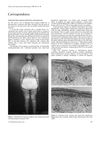
January 1998 in “Clinical and experimental dermatology” Myotonic dystrophy should be considered in patients with hair thinning, and genetic counseling is important.
Neurotrophins may contribute to genetic hair thinning by inhibiting hair growth.
17 citations
,
April 1997 in “American Journal of Dermatopathology” PC-associated alopecia has unique microscopic features.
 6 citations
,
March 1982 in “Clinical and Experimental Dermatology”
6 citations
,
March 1982 in “Clinical and Experimental Dermatology” The document says that hair loss in women is often due to androgenic alopecia, similar to male baldness, and that hirsutism is treated with hormonal and cosmetic methods.
 July 2023 in “Journal of Clinical Medicine”
 The document concludes that understanding hair follicle histology and the hair cycle is crucial for diagnosing alopecia.
 September 2021 in “CRC Press eBooks”
 Alopecia areata incognita causes sudden hair thinning, responds well to steroids, and is more common in those with genetic hair loss conditions.
 September 2024 in “Ain Shams Medical Journal”
 Androgenic alopecia causes hair thinning, and treatments include minoxidil, finasteride, and light therapy.
21 citations
,
January 2010 in “International journal of trichology” Trichoscopy can diagnose monilethrix, a genetic hair defect causing hair thinning and loss.
 9 citations
,
December 1981 in “International Journal of Dermatology”
9 citations
,
December 1981 in “International Journal of Dermatology” The document concludes that early diagnosis is key for treating common baldness in women, but reassurance is often the best approach as hair thinning can be a normal part of aging.
 May 2013 in “Springer eBooks”
 Skin problems in the elderly are unique and may indicate other diseases, involving changes in skin, hair, nails, and increased cancer risk.

Androgenetic alopecia is a common type of hair loss in men and women, caused by a testosterone byproduct affecting hair follicles, with sensitivity determined by genetics.
New treatments for hair loss are being researched for better effectiveness and safety.
January 2009 in “Gynäkologische Endokrinologie” Minoxidil solution can effectively treat hair thinning in women.
September 2025 in “Brazilian Journal of Health Review” Early diagnosis and less aggressive hair care improve outcomes for Black women with frontal fibrosing alopecia.
January 2009 in “Revista de Ciências Médicas” Male pattern baldness is a genetic condition causing hair loss, with limited but improving treatment options.
 October 2024 in “Benha Journal of Applied Sciences”
 Androgenetic alopecia is linked to aging due to inflammation, oxidative stress, and hormonal changes.
January 2026 in “Journal of Biosciences and Medicines” Androgenetic alopecia treatments focus on reducing hair loss by targeting hormones, with new therapies showing promise but needing more research.

Minoxidil and finasteride are the only FDA-approved treatments for hair loss caused by genetic and hormonal factors, but their effectiveness is often doubted, indicating a need for new treatments.
 March 2013 in “DOAJ (DOAJ: Directory of Open Access Journals)”
 Minoxidil and finasteride are effective long-term treatments for male hair loss.
 May 2022 in “Journal of the Egyptian Women's Dermatologic Society (Print)”
 Women's hair loss can be due to hormonal changes and various conditions, with treatments focusing on stopping progression and managing symptoms.
 December 2016 in “Int J Genet”
 Male pattern baldness is partly caused by specific genes, but most genetic factors are still unknown.
 8 citations
,
September 2010 in “Journal of Men's Health”
8 citations
,
September 2010 in “Journal of Men's Health” Androgenic Alopecia, a common hair loss condition, can be effectively treated with finasteride and other treatments.
 2 citations
,
December 2004 in “Medicine”
2 citations
,
December 2004 in “Medicine” Different hair and scalp disorders cause hair loss or excess hair growth, with various treatments available depending on the specific condition.
 January 2007 in “Revista del Centro Dermatológico Pascua”
 Hair loss in women, often not related to male hormones, increases with age and can cause significant emotional distress.
 December 2025 in “BENTHAM SCIENCE PUBLISHERS eBooks”
 PCOS often causes skin issues like excess hair, acne, hair thinning, and dark patches due to hormone imbalances and insulin resistance.
January 2015 in “Traditional Chinese Medicine” Traditional Chinese Medicine shows promise in treating hair loss.
 1 citations
,
August 2012 in “Journal der Deutschen Dermatologischen Gesellschaft”
1 citations
,
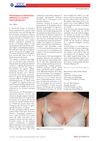
August 2012 in “Journal der Deutschen Dermatologischen Gesellschaft” A woman's hyperandrogenism was caused by a genetic mutation leading to non-classic adrenogenital syndrome.
 87 citations
,
March 2011 in “Australasian Journal of Dermatology”
87 citations
,
March 2011 in “Australasian Journal of Dermatology” Genetics and hormones play a role in male and female hair loss, but more research is needed to fully understand it.
 2 citations
,
November 2017 in “Cardiovascular endocrinology”
2 citations
,
November 2017 in “Cardiovascular endocrinology” Early balding, premature graying, and hair thinning can predict heart disease in young Asian males.