 April 2024 in “International Journal of Research Publication and Reviews”
 Alopecia areata causes hair loss with varied treatment responses and frequent relapses.

Early-onset baldness is linked to genetics, lifestyle, and can indicate higher risk for heart and metabolic diseases, and affects mental health.
 January 2024 in “Frontiers in endocrinology”
 The study suggests that hypothyroidism may cause alopecia areata.
 January 2024 in “The Egyptian Journal of Hospital Medicine ”
 Hair loss may indicate a higher risk of heart disease and other health issues related to metabolism.
 December 2023 in “EPRA international journal of multidisciplinary research”
 Alopecia areata causes sudden hair loss, has genetic links, and can be managed but not cured.
 May 2022 in “Rossijskij žurnal kožnyh i veneričeskih boleznej”
 Alopecia areata is complex, often recurring, and needs personalized treatment, especially with other health issues.
February 2022 in “Actas dermo-sifiliográficas/Actas dermo-sifiliográficas” Hair shaft disorders, often due to genetics or environment, lack specific treatments but can be managed with gentle hair care and may improve with age or topical treatments.
December 2021 in “Folia veterinaria” Over half of the dog skin disorders discussed have known gene variants, enabling genetic testing for diagnosis and responsible breeding.
 December 2021 in “Acta Marisiensis”
 Insulin resistance increases the risk of developing type 2 diabetes and other health issues.
July 2021 in “Veterinary record/The veterinary record” A calf in Scotland likely had Schmallenberg virus from its mother.
 August 2020 in “Pakistan Journal of Zoology”
 A new mutation in the Hairless gene causes hair loss in two Pakistani families.
 July 2019 in “Journal der Deutschen Dermatologischen Gesellschaft”
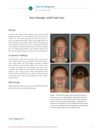
 A mother and daughter have a rare genetic hair loss disorder with no effective treatment.
January 2018 in “Springer eBooks” Alopecia totalis/universalis is a severe form of hair loss where all body hair is lost.
 April 2016 in “Journal of The American Academy of Dermatology”
 People with Down syndrome are more likely to experience hair loss, and using dermoscopy can help diagnose it.
 January 2016 in “Journal of The Korean Medical Association”
 The document says how to diagnose and treat hair loss from alopecia areata, but there's no cure and treatments vary.
Alopecia areata is reversible because hair follicles can regenerate due to stem cells.
 May 2015 in “Journal of Dermatological Science”
 Researchers found a new area on chromosome 2 linked to a genetic hair loss condition.
 January 2013 in “International Journal of Trichology”
 A new mutation in the TRPS1 gene was found in a Ukrainian girl with Trichorhinophalangeal syndrome type I.
 January 2008 in “Yearbook of Dermatology and Dermatologic Surgery”
 One type of progenitor cell can maintain normal skin in mice.
January 2007 in “Yearbook of Dermatology and Dermatologic Surgery” Certain types of alopecia areata are linked to allergies, autoimmune diseases, and family history.
 June 2006 in “Experimental Dermatology”
 Understanding skin patterns can help us learn about skin diseases and their treatments.
October 2001 in “Science news” Understanding hair growth and loss is complex, involving genetic and molecular factors.
 September 1983 in “Journal of The American Academy of Dermatology”
 Experts discussed hair care, genetic hair defects, hair loss treatments, nail surgery, lupus treatments, skin infections, and cosmetic allergies.
 32 citations
,
April 2013 in “Anais Brasileiros de Dermatologia”
32 citations
,
April 2013 in “Anais Brasileiros de Dermatologia” The document concludes that inherited epidermolysis bullosa is a challenging genetic condition requiring multidisciplinary care and new treatments.
2 citations
,
January 2021 in “American Journal of Case Reports” A 13-year-old boy with a rare genetic condition survived a heart attack and improved with treatment.
1 citations
,
June 2022 in “Tidsskrift for Den norske legeforening” A young boy's uncombable hair is due to a rare genetic condition that usually improves over time.
A 22-year-old woman with a rare genetic condition was successfully treated to develop normal female characteristics and regular menstruation.
 January 2007 in “Revista del Centro Dermatológico Pascua”
 A 2-year-old boy was diagnosed with a rare genetic condition causing fragile hair, intellectual issues, and short stature.
39 citations
,
January 2018 in “British journal of dermatology/British journal of dermatology, Supplement” Acne and hidradenitis suppurativa have different causes and risk factors, but both are driven by inflammation and may benefit from treatments targeting interleukin-1.
303 citations
,
August 1971 in “The American Journal of Medicine” Melanocytes are destroyed by factors needed for melanin production, causing vitiligo and gray hair.