 October 2007 in “Journal of Investigative Dermatology”
 The meeting highlighted the genetic basis of female pattern hair loss and various skin health insights.
9 citations
,
February 2002 in “PubMed” A new gene mutation causes hereditary coproporphyria with reduced enzyme activity.
2 citations
,
January 2020 in “Skin Appendage Disorders” Ustekinumab treatment may reveal a genetic tendency for steatocystoma multiplex in psoriasis patients.
 September 2024 in “Portuguese Journal of Dermatology and Venereology”
 CCCA and LPP may be related hair loss conditions influenced by genetics and environment, needing early treatment.
57 citations
,
August 1997 in “Pediatrics International” VDDR I and II are genetic disorders affecting vitamin D use, causing rickets, with VDDR I treatable by vitamin D supplements and VDDR II needing high doses and calcium.
15 citations
,
November 2009 in “Journal of Comparative Pathology” Epidermolysis bullosa in calves was not caused by mutations in the keratin genes bKRT5 and bKRT14.
3 citations
,
December 2022 in “The Neurologist” CARASIL, a rare genetic disorder, was confirmed in an Arabic woman, highlighting its rarity and need for stroke prevention.
 1 citations
,
July 2022 in “Вопросы современной педиатрии”
1 citations
,
July 2022 in “Вопросы современной педиатрии” Progeria causes early aging due to a gene mutation, affecting skin, bones, and heart, with treatments aimed at improving life quality.
 1 citations
,
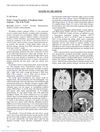
August 2021 in “Canadian journal of neurological sciences”
1 citations
,
August 2021 in “Canadian journal of neurological sciences” Woodhouse-Sakati syndrome can cause writer's cramp and other varied symptoms, highlighting the importance of genetic testing for diagnosis.
 October 2025 in “Frontiers in Molecular Biosciences”
 Bruce Ames's work has greatly influenced research on genetics, aging, and health, inspiring ongoing studies on mitochondria and longevity.
 December 2023 in “Clinical Cosmetic and Investigational Dermatology”
 An 8-year-old Saudi boy was diagnosed with a rare genetic disorder causing hair loss, skin issues, and light sensitivity.
 September 2022 in “IP Indian journal of clinical and experimental dermatology”
 An 8-year-old girl has a rare genetic disorder causing complete, irreversible hair loss and skin bumps.
 April 2017 in “IOSR journal of dental and medical sciences”
 Netherton Syndrome is a non-treatable genetic disorder in children causing skin, hair, and allergy issues.
Human hair color is determined by melanin types and genetic factors.
July 2005 in “The American Journal of Human Genetics” The AR gene is linked to male-pattern baldness, TNFSF4 to heart disease, SLC19A3 to BBGD, MCT8 to a syndrome, and segmental duplications to genetic variation.
2 citations
,
January 2021 in “American Journal of Case Reports” A 13-year-old boy with a rare genetic condition survived a heart attack and improved with treatment.
3 citations
,
January 2021 in “Veterinary dermatology” A litter of cats had a hair condition similar to a mouse mutation, leading to hair loss and abnormal hair and skin.
December 2023 in “Indian Journal of Endocrinology and Metabolism” Early diagnosis, genetic testing, and innovative treatments are crucial for managing complex medical conditions.
51 citations
,
January 1997 in “PubMed” GABEB is a less severe skin condition caused by a gene mutation affecting collagen, leading to blisters and other symptoms.
7 citations
,
April 2004 in “International Journal of Dermatology” The newborn's skin blistering is due to a genetic condition called epidermolytic hyperkeratosis.
6 citations
,
January 2008 in “Indian Journal of Dermatology” Monilethrix, a genetic hair disorder causing fragile hair, affects three generations in a family.
5 citations
,
January 2011 in “Archives de Pédiatrie” A severe form of Netherton syndrome caused by a specific gene mutation led to neonatal deaths in a family.
4 citations
,
May 2020 in “The journal of pediatrics/The Journal of pediatrics” A boy with monilethrix has brittle hair that breaks easily due to a genetic condition, which might improve by puberty.
1 citations
,
June 2022 in “Tidsskrift for Den norske legeforening” A young boy's uncombable hair is due to a rare genetic condition that usually improves over time.
 January 2024 in “Pediatric Dermatology”
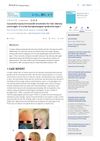
 Minoxidil improved hair growth in a child with a rare genetic disorder.
 January 2023 in “Indian dermatology online journal”
 A child with ectodermal dysplasia-syndactyly syndrome has a new mutation in the NECTIN4 gene.
 April 2020 in “Journal of the Endocrine Society”
 Non-classic congenital adrenal hyperplasia (NCCAH) can mimic PCOS and requires genetic testing for proper diagnosis and treatment.
January 2007 in “Bristol Research (University of Bristol)” Epidermolysis bullosa in UK calves is not caused by mutations in keratin genes.
17 citations
,
February 2015 in “Experimental Dermatology” Keratins are crucial for hair strength, and mutations in certain keratin genes cause hair disorders.
 3 citations
,
September 2005 in “Experimental dermatology”
3 citations
,
September 2005 in “Experimental dermatology” The cornified envelope is crucial for skin's barrier function and involves key proteins and genetic factors.