59 citations
,
January 2021 in “Genes” Twelve key genes may improve cashmere production by influencing hair follicle cycles.
 47 citations
,
February 2015 in “European Journal of Clinical Investigation”
47 citations
,
February 2015 in “European Journal of Clinical Investigation” The review suggests thorough evaluation and genetic testing for proper diagnosis and treatment of Chrousos syndrome.
6 citations
,
December 2013 in “Journal of Investigative Dermatology Symposium Proceedings” Alopecia areata involves complex immune and genetic factors, with potential treatment targets identified, but more research is needed.
 September 2024 in “Frontiers in Genetics”
 A specific genetic marker is linked to male pattern baldness in Han Chinese men.
August 2024 in “Cosmetics” Personalized treatments for hair loss are becoming more effective by using genetic information.
 43 citations
,
June 2018 in “Clinics in dermatology”
43 citations
,
June 2018 in “Clinics in dermatology” People with atopic dermatitis are more likely to develop other skin conditions due to shared genetics and immune pathways.
17 citations
,
May 2018 in “BMC genomics” Researchers found genes and microRNAs that control curly fleece in Chinese Tan sheep.
September 2025 in “Frontiers in Immunology” Atopic dermatitis and alopecia areata share immune and genetic factors, and targeted therapies may help both.
 47 citations
,
December 2019 in “Frontiers in immunology”
47 citations
,
December 2019 in “Frontiers in immunology” A new mutation in the STING protein causes a range of symptoms and its severity may be affected by other genetic variations; treatment with a specific inhibitor showed improvement in one patient.
 11 citations
,
January 2018 in “Royal Society Open Science”
11 citations
,
January 2018 in “Royal Society Open Science” Scientists found genes linked to the growth of high-quality brush hair in Chinese Haimen goats.
 May 2026 in “Premier journal of science.”
 Future treatments for hair loss may focus on personalized and regenerative approaches.
 January 2024 in “Pediatric Dermatology”
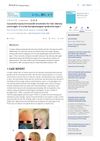
 Minoxidil improved hair growth in a child with a rare genetic disorder.
 June 2023 in “Frontiers in Genetics”
 Genes related to calcium signaling and lipid metabolism are important for curly hair in Mangalitza pigs.
144 citations
,
December 2017 in “Pigment cell & melanoma research” Melasma is now considered a skin aging disorder caused by sun exposure in people with a genetic tendency, which impacts treatment and prevention approaches.
October 2025 in “Cosmetics” Genetic insights can lead to personalized treatments for acne, androgenetic alopecia, and alopecia areata.
 150 citations
,
October 2010 in “The American Journal of Pathology”
150 citations
,
October 2010 in “The American Journal of Pathology” The document concludes that more research is needed to better understand and treat primary cicatricial alopecias, and suggests a possible reclassification based on molecular pathways.
 30 citations
,
June 2014 in “Seminars in Immunology”
30 citations
,
June 2014 in “Seminars in Immunology” Future research on ectodysplasin should explore its role in diseases, stem cells, and evolution, and continue developing treatments for genetic disorders like hypohidrotic ectodermal dysplasia.
 16 citations
,
June 2017 in “Advances in Therapy”
16 citations
,
June 2017 in “Advances in Therapy” New treatments for hair loss are showing promise due to better understanding of genetics and the immune system.
4 citations
,
January 2021 in “Genetics and Molecular Biology” COVID-19 treatments and vaccines face challenges due to genetic differences in people and the virus.
1 citations
,
August 2023 in “Biomolecules” Certain immune-related proteins are higher in people with alopecia and their healthy relatives, hinting at a genetic link.
 January 2022 in “IntechOpen eBooks”
 Some lesser-known causes of PCOS include autoimmune issues, genetic mutations, and changes in the body's microbiome.
 April 2021 in “Sohag Medical Journal”
 Alopecia areata is an autoimmune condition causing hair loss, linked to genetic factors and immune system issues, with no cure yet.
 January 2022 in “bioRxiv (Cold Spring Harbor Laboratory)”
 Skin lesions in Carney complex are likely caused by a specific group of skin cells that promote pigment production due to a genetic mutation.
Stem cells play a key role in nonmelanoma skin cancers, with different origins and genetic changes linked to basal and squamous cell carcinomas.
 67 citations
,
December 2008 in “Developmental Biology”
67 citations
,
December 2008 in “Developmental Biology” Msx2 and Foxn1 are both crucial for hair growth and health.
September 2013 in “Helda (University of Helsinki)” Mutations in specific genes cause certain congenital defects in dogs, aiding in understanding similar human diseases.
 308 citations
,
December 2018 in “PLOS Genetics”
308 citations
,
December 2018 in “PLOS Genetics” The research found that PCOS has common genetic factors regardless of how it is diagnosed and is linked to metabolic and reproductive issues.
 74 citations
,
January 2013 in “Journal of Investigative Dermatology”
74 citations
,
January 2013 in “Journal of Investigative Dermatology” Four genetic risk spots found for hair loss, with WNT signaling involved and a link to curly hair.
 6 citations
,
February 2013 in “Medical Oncology”
6 citations
,
February 2013 in “Medical Oncology” Certain genetic variants increase the risk of resistance to hormone therapy in prostate cancer patients.
1 citations
,
April 2024 in “Metabolites” Activated protein C helps protect mice from long-term radiation damage.