 January 2026 in “Archives of Current Medical Research”
 Telogen effluvium is the most common hair loss in women, often linked to low iron, while tight hairstyles and headscarves increase traction alopecia risk.
 6 citations
,
February 2023 in “Advances in Therapy”
6 citations
,
February 2023 in “Advances in Therapy” Baricitinib, a drug for rheumatoid arthritis, atopic dermatitis, and alopecia areata, is generally safe with low risk of major side effects, even in patients with risk factors. It's also effective in promoting hair regrowth in alopecia areata patients.
4 citations
,
September 2020 in “Journal of Mind and Medical Sciences” Hepatitis C can clear naturally in some people due to strong immune response, genetics, and limited exposure.
 3 citations
,
March 2018 in “BMC Cancer”
3 citations
,
March 2018 in “BMC Cancer” Baldness, especially at the front, may lower the risk of testicular cancer by 31%, but its link to prostate cancer is unclear.
 46 citations
,
June 2015 in “Fertility and Sterility”
46 citations
,
June 2015 in “Fertility and Sterility” Insulin resistance is significantly linked to a higher risk of depression in women with PCOS.
 August 2020 in “International Journal of Clinical Practice”
 No link between hair loss and blood groups or Rhesus factor.
 November 2016 in “Endocrinology&Metabolism International Journal”
 PCOS has no cure, but treatments can manage symptoms and improve health.
 3 citations
,
January 2018 in “Postępy Dermatologii i Alergologii”
3 citations
,
January 2018 in “Postępy Dermatologii i Alergologii” Longer TA repeats in the SRD5A2 gene may increase acne risk in Chinese people.
 November 2009 in “Medical & surgical dermatology”
 The document concludes that Borrelia afzelii causes a skin condition in France, a gene is linked to hair loss in Caucasian women, and various genetic mutations affect skin diseases.
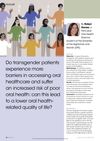
Transgender patients face more barriers to oral healthcare, leading to poorer oral health and quality of life.
 114 citations
,
March 2018 in “PLOS Medicine”
114 citations
,
March 2018 in “PLOS Medicine” Women with PCOS are more than twice as likely to develop nonalcoholic fatty liver disease.
Tacrolimus causes fewer acute rejections than cyclosporin A in kidney transplants but doesn't necessarily improve kidney function after one year; cardiovascular risks and side effects vary between the two drugs.
 February 2025 in “Clinical Cosmetic and Investigational Dermatology”
 Genetic risk for hair loss can increase depression risk, but depression doesn't increase hair loss risk.
5 citations
,
May 2018 in “Therapeutic advances in drug safety” Androgen use may increase the risk of stroke, but more research is needed.
 September 2024 in “Frontiers in Genetics”
 A specific genetic marker is linked to male pattern baldness in Han Chinese men.
 July 2025 in “Clinical Cosmetic and Investigational Dermatology”
 Major depression disorder increases the risk of alopecia areata, and vice versa.
 March 2024 in “Dermatology and therapy (Internet)”
 Genetic factors could lead to personalized treatments for hair loss.
4 citations
,
November 2024 in “Anais Brasileiros de Dermatologia” Various factors like genetics, pollution, and lifestyle choices can damage hair over time.
1 citations
,
July 2021 in “IntechOpen eBooks” Environmental factors can cause mutations in skin proteins, leading to skin disorders.
March 2026 in “Journal of Investigative Dermatology” Genetic factors, especially PADI3 gene variants, contribute to CCCA in women of African descent.
13 citations
,
October 2019 in “Oncology Reports” The link between anabolic agents and colorectal cancer risk is unclear.
August 2025 in “International Journal of Cancer” Childhood and adult height, and early immune-related hospitalizations increase testicular cancer risk, while baldness, larger families, and sports reduce it.
The model accurately predicts hair loss by analyzing various factors.
 1 citations
,
May 2023 in “Frontiers in Endocrinology”
1 citations
,
May 2023 in “Frontiers in Endocrinology” Autism's genetics are linked with early age of puberty and less hair loss, but not with hormone levels or polycystic ovary syndrome.
 38 citations
,
March 2020 in “Current Hypertension Reports”
38 citations
,
March 2020 in “Current Hypertension Reports” Reproductive factors can increase hypertension risk and affect cardiovascular health.
5 citations
,
December 2022 in “Genes” Genetic differences affect how people respond to COVID-19.
 3 citations
,
April 2015 in “AFRICAN JOURNAL OF BIOTECHNOLOGY”
3 citations
,
April 2015 in “AFRICAN JOURNAL OF BIOTECHNOLOGY” Certain genetic markers on the Y-chromosome may influence prostate cancer risk in Iraqi males.
 29 citations
,
December 2016 in “The EMBO Journal”
29 citations
,
December 2016 in “The EMBO Journal” Gata6 is important for protecting hair growth cells from DNA damage and keeping normal hair growth.
1 citations
,
March 2003 in “Journal of Investigative Dermatology” Early sunburn treatment with certain inhibitors may reduce skin cancer risk.
28 citations
,
January 2005 in “Photochemistry and Photobiology” Protein kinase C epsilon may increase skin cancer risk by affecting nearby cells.