 48 citations
,
April 2010 in “Journal of the European Academy of Dermatology and Venereology”
48 citations
,
April 2010 in “Journal of the European Academy of Dermatology and Venereology” Men are more likely to get infectious skin diseases, while women are more prone to autoimmune and pigment-related skin conditions, influenced by biological and environmental factors.
 19 citations
,
January 2015 in “Current problems in dermatology”
19 citations
,
January 2015 in “Current problems in dermatology” Ultraviolet rays damage hair, smoking may cause hair loss, and good nutrition is important for hair health, but genetics mainly decide hair thickness.
 13 citations
,
October 2010 in “Pharmacogenomics”
13 citations
,
October 2010 in “Pharmacogenomics” Researchers found that most genes affecting drug responses are not fully covered by commercial SNP chips, suggesting the need for more comprehensive tools to optimize drug selection based on genetics.
 4 citations
,
September 2012 in “Clinical Pharmacology in Drug Development”
4 citations
,
September 2012 in “Clinical Pharmacology in Drug Development” Different drug doses approved in Japan and the U.S. are not mainly due to different clinical responses, and ethnic factors should be considered in setting drug doses.
 1 citations
,
April 2018 in “SLEEP”
1 citations
,
April 2018 in “SLEEP” People with obstructive sleep apnea are more likely to get herpes zoster, but nightmares don't affect the risk.
 July 2010 in “British Journal of Dermatology”
 New hair regrowth model proposed, imiquimod found to kill skin cancer cells, T-cadherin loss linked to invasive skin cancer, no clear gene link to skin cancer after transplant, and study on children's hair loss shows male dominance and genetic ties.
 2 citations
,
June 2017 in “Journal of The American Academy of Dermatology”
2 citations
,
June 2017 in “Journal of The American Academy of Dermatology” The type of PCOS a woman has doesn't strongly predict her skin or metabolic symptoms; obesity is a more important factor.
 June 2014 in “British Journal of Dermatology”
 Eczema patients have a lower skin lipid to protein ratio, older and longer-staying hospital patients are more likely to get pressure ulcers, hair loss in AGA is linked to muscle degeneration, vitamin D deficiency is common in alopecia areata and linked to its severity, standard liver tests don't effectively detect fibrosis in psoriasis patients on methotrexate, and bullous pemphigoid patients have a higher death risk but combination therapy may reduce it.

Certain gut bacteria may protect against or increase the risk of hair loss.
 June 2012 in “Faculty Opinions – Post-Publication Peer Review of the Biomedical Literature”
 Six new risk spots for early hair loss were found, which also link to Parkinson's disease and lower fertility. Two genes, FOXA2 and HDAC4, could be new treatment targets. Hair loss might also be connected to heart disease, metabolic syndrome, and prostate cancer.
 March 2012 in “Hair transplant forum international”
 Environmental factors and chemicals might affect hormone balance and contribute to common hair loss.
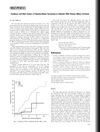 10 citations
,
October 2010 in “Hepatology”
10 citations
,
October 2010 in “Hepatology” Certain liver diseases respond well to specific treatments and have varying risks for liver cancer.
380 citations
,
February 2023 in “Journal of Clinical Medicine” PCOS is influenced by various factors and may be managed by restoring gut health and using new therapies.
26 citations
,
May 2024 in “Molecular Neurodegeneration” H1 increases risk for neurodegenerative diseases, while H2 offers protection but is linked to other disorders.
 April 2025 in “Health Science Reports”
 Smoking and lighter hair color increase alopecia risk, especially in women and those over 25.
1 citations
,
October 2025 in “Biology of Sex Differences” Gender and social factors, not just biology, affect COVID-19 death rates.
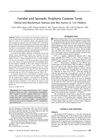 38 citations
,
March 2010 in “Medicine”
38 citations
,
March 2010 in “Medicine” Most patients with Porphyria Cutanea Tarda had skin blisters and were often affected by hepatitis C and alcohol abuse, with differences between familial and sporadic cases.
5 citations
,
November 2023 in “Journal of Research in Medical Sciences” Severe alopecia areata may increase the risk of heart-related diseases.
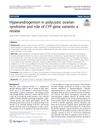 49 citations
,
November 2019 in “Egyptian Journal of Medical Human Genetics”
49 citations
,
November 2019 in “Egyptian Journal of Medical Human Genetics” Certain gene variants may contribute to high androgen levels in women with polycystic ovary syndrome.
June 2020 in “Risk Management and Healthcare Policy” Drinking alcohol 1-2 times a week may reduce urinary symptoms, but drinking more often might increase the risk.
42 citations
,
July 2013 in “Gene” IL-4 gene variation may increase the risk of alopecia areata in Turkish people.
12 citations
,
March 2023 in “Frontiers in immunology” Atopic dermatitis increases the risk of some autoimmune diseases.
 1 citations
,
February 2009 in “Clinical Genetics”
1 citations
,
February 2009 in “Clinical Genetics” New genes linked to male pattern baldness were found on chromosome 20p11.
 September 2021 in “Research Square (Research Square)”
 Not having enough or having too much of the protein Grainyhead-like 3 leads to various developmental problems.
January 2014 in “International Journal of Clinical Medicine” Premature aging increases the risk of immune problems and autoimmune diseases.
15 citations
,
August 2013 in “Gene” The MTHFR C677T mutation may increase the risk of alopecia areata in the Turkish population.
 18 citations
,
July 2022 in “Frontiers in Immunology”
18 citations
,
July 2022 in “Frontiers in Immunology” Volatile organic compounds can cause inflammation and increase the risk of autoimmune diseases.
 8 citations
,
February 2022 in “Vascular Health and Risk Management”
8 citations
,
February 2022 in “Vascular Health and Risk Management” Some skin conditions may increase the risk of heart disease, and understanding their connection could lead to better treatments.
7 citations
,
June 2024 in “iScience” Androgens increase cervical cancer risk and affect its development.
 4 citations
,
February 2020 in “Dermatologic Therapy”
4 citations
,
February 2020 in “Dermatologic Therapy” Poor sleep, meat-heavy diets, and junk food worsen hair loss, while sugary drinks may help.