April 2025 in “Frontiers in Genetics” Combining genetic models helps improve heat tolerance in beef cattle.
December 2024 in “Journal of Investigative Dermatology” People with androgenetic alopecia had milder COVID-19 symptoms during the Omicron wave in China.
 November 2024 in “Benha Journal of Applied Sciences”
 Reduced alpha smooth muscle actin may cause hair loss in androgenetic alopecia.
March 2024 in “Agriculture” CRISPR/Cas9 gene-editing shows promise for improving sheep and goat breeding but faces challenges with efficiency and accuracy.
 December 2023 in “EPRA international journal of multidisciplinary research”
 Alopecia areata causes sudden hair loss, has genetic links, and can be managed but not cured.
 June 2023 in “Dermatology and therapy”
 The Middle East and Africa need better data, treatment consensus, and support for Alopecia Areata.

Custom skincare can be made based on genes, fewer cats in Lublin have FeLV/FIV than national average, and studies also looked at small water bodies, river pollution, guppy growth, toxins in biochars, palm oil issues, and pumpkin seed oil for hair strength.
 January 2023 in “International Journal of Clinical and Medical Education Research”
 Correct testosterone levels for age to treat prostate cancer, using low dose treatments as necessary.

The document concludes that the development of certain tumors is influenced by genetic background and that a specific gene modification can lead to tumor regression and reduced growth.
 September 2021 in “International Journal of Biomedicine”
 Certain gene variations are linked to a higher risk of severe acne, suggesting a genetic influence on the condition.
 March 2019 in “Journal der Deutschen Dermatologischen Gesellschaft”
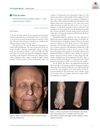
 Rothmund-Thomson syndrome type 2 can cause chronic, poorly healing wounds.
February 2018 in “bioRxiv (Cold Spring Harbor Laboratory)” Rodent spiny hair traits are due to genetic factors other than the Edar gene.
 January 2018 in “Springer eBooks”
 Hidradenitis Suppurativa is likely an autoinflammatory disease, and better understanding its causes could improve treatments.
 October 2017 in “Springer eBooks”
 A thorough initial check-up is essential before sperm banking to ensure the best chance of preserving good quality sperm.
 March 2017 in “InTech eBooks”
 Acne vulgaris is a common skin condition that can cause low self-esteem and depression, and early treatment is important to prevent scarring.
 February 2015 in “Current problems in dermatology”
 The document provides a comprehensive guide for dermatologists to diagnose and treat hair loss.
 January 2011 in “International Journal of Trichology”
 The conference highlighted new diagnostic tools, the role of genetics in hair loss, and emerging treatments.
 February 2009 in “Springer eBooks”
 Hyperpigmentation is common in pregnancy and may not fully fade after birth; melasma, also frequent, can persist but has limited treatment options during pregnancy.
 June 2008 in “CRC Press eBooks”
 PCOS may have evolved as an advantage in past environments with food scarcity.
 January 2003 in “Springer eBooks”
 Certain genes are linked to type 1 and type 2 diabetes in kids, and changes in these genes can also cause other diabetes-related conditions.
 September 1983 in “Journal of The American Academy of Dermatology”
 Experts discussed hair care, genetic hair defects, hair loss treatments, nail surgery, lupus treatments, skin infections, and cosmetic allergies.
194 citations
,
November 2006 in “Science” A genetic mutation in the LIPH gene causes hair loss and growth defects.
 June 2026 in “Quality in Sport”
 Premature hair graying has many causes, but no cure yet.
 211 citations
,
April 2018 in “Cold Spring Harbor Perspectives in Biology”
211 citations
,
April 2018 in “Cold Spring Harbor Perspectives in Biology” Keratins are crucial for cell structure, growth, and disease risk.
 89 citations
,
October 1996 in “Dermatologic Clinics”
89 citations
,
October 1996 in “Dermatologic Clinics” Alopecia areata is likely caused by a combination of genetic factors and immune system dysfunction, and may represent different diseases with various causes.
 77 citations
,
March 2001 in “Clinics in Dermatology”
77 citations
,
March 2001 in “Clinics in Dermatology” Androgenetic alopecia involves genetics, hormones, and can be treated with medications or surgery.
 69 citations
,
February 2002 in “International Journal of Cosmetic Science”
69 citations
,
February 2002 in “International Journal of Cosmetic Science” Some hair loss can be treated, especially in women due to nutrition, but some types remain untreatable.
 56 citations
,
December 2011 in “Steroids”
56 citations
,
December 2011 in “Steroids” The document suggests treating individuals with nonclassic congenital adrenal hyperplasia who show symptoms, especially those related to excess male hormones.
 53 citations
,
March 2014 in “Cold Spring Harbor Perspectives in Medicine”
53 citations
,
March 2014 in “Cold Spring Harbor Perspectives in Medicine” The document explains different types of hair loss, their causes, and treatments, and suggests future research areas.
 53 citations
,
June 2012 in “Annales d'Endocrinologie”
53 citations
,
June 2012 in “Annales d'Endocrinologie” The document concludes that recognizing and properly diagnosing lipodystrophy syndromes is crucial for effective management and treatment.